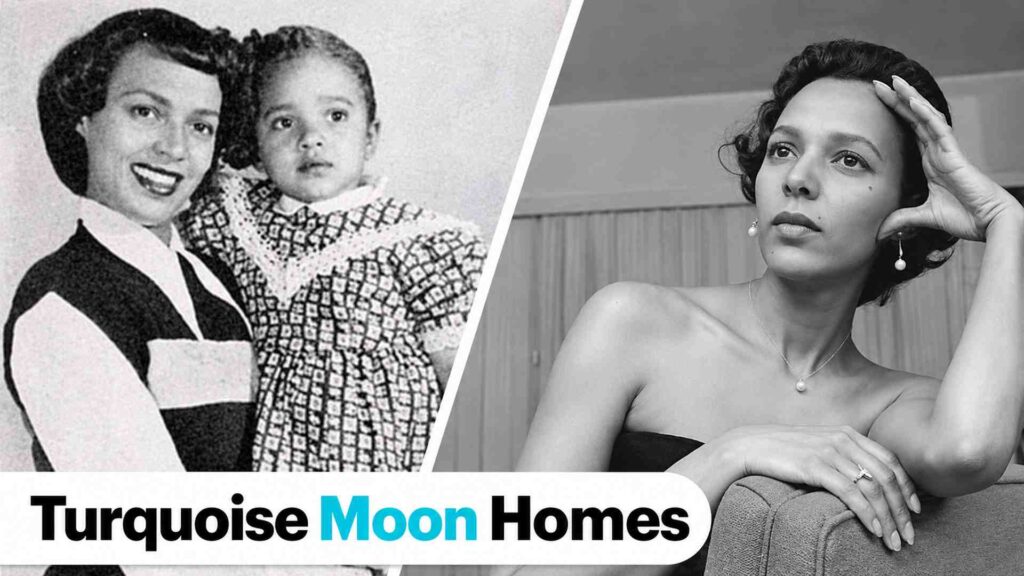
Harolyn Suzanne Nicholas was the only child of actress and singer Dorothy Dandridge and dancer Harold Nicholas. Born in 1943, she had a severe developmental disability and needed care throughout her life. Her mother spoke about her in a 1963 television interview and later wrote about the pain of making hard choices for her care.
People often learn Harolyn’s name while reading about Dorothy Dandridge, the first Black woman nominated for the Academy Award for Best Actress. Behind that landmark career was a mother trying to care for a daughter in an era with few good support options.
In this article, you’ll learn about Harolyn’s family, the care she needed, what Dorothy said in public and why the history must be told with respect. It also explains why old claims about her birth and later life need care.
Born Into a Family of Performers
Harolyn was born on September 2, 1943. Her mother was Dorothy Dandridge, who had worked as a singer and dancer before becoming a film star. Her father was Harold Nicholas, one of the famous Nicholas Brothers.
Harold and his brother Fay were known for their skill in tap dance. They performed on stage and in films. Their routines were admired for speed, rhythm and daring moves.
Dorothy and Harold married in 1942. Harolyn arrived the next year. Both parents worked in show business, but their daughter did not follow them into a public career.
Her place in the family is a key part of Dorothy’s life story. Harolyn was not simply a note in a star’s biography. She was a child who needed love, care and daily support.
A family can be well known to the public and still face the same fears and hard choices as other parents.
Early Signs That She Needed More Support
Dorothy later said she noticed differences in Harolyn’s growth when the girl was about two years old. Her daughter was not speaking in the way other children of that age often did.
The family sought medical advice. Dorothy was told that Harolyn had a brain injury and would need a great deal of help as she grew.
Old reports often use harsh words for people with disabilities. Some of those terms were common at the time, but they do not show the care and respect people deserve today.
The clearest fact is that Harolyn had major support needs. She did not have the same chance to live alone or work as many other adults did.
Her life should not be reduced to a list of things she could not do. The record also shows a mother who spoke of holding her daughter and feeling close to her.
The Story of Her Birth and Her Mother’S Guilt
Dorothy believed that a hard birth may have played a part in her daughter’s condition. She later spoke about a delay in getting to the hospital while she was in labor.
That belief became a painful part of her memories. She blamed herself for what had happened and carried that feeling for years.
But a mother’s sense of guilt is not medical proof of what caused a disability. A story about a delay cannot, by itself, establish the exact cause of a brain injury.
This distinction matters. It is easy for later articles to turn Dorothy’s fears into a firm claim that one choice caused all of Harolyn’s needs. The surviving account does not support such a simple answer.
A fair biography can tell readers what Dorothy believed while also making clear that she was speaking from grief, not giving a final medical finding.
Dorothy Dandridge’S Rise to Fame
Dorothy worked hard for her place in show business. She sang in clubs, danced and took film roles at a time when Black women faced many barriers in Hollywood.
Her role in Carmen Jones brought her an Oscar nomination in 1955. It was a major first for a Black woman in the Best Actress category.
That success did not remove the hard parts of her private life. She still had to earn money, care for her daughter and find help when she could not be home.
The Turner Classic Movies profile describes how Dorothy balanced her career with the care Harolyn needed. It also covers the strain she felt as a parent.
Her film success is part of the story, but it should not make Harolyn’s life sound like a problem that held her mother back. Both were people with needs and hopes.
Care in the 1940S and 1950S
Families with children who had major disabilities faced a different world in the middle of the last century. Care at home could be hard to find and hard to pay for.
Doctors sometimes advised parents to place children in special homes or institutions. Such advice was common in that era, even though it could cause deep pain for families.
Dorothy tried to arrange care for Harolyn while she worked. Her job often took her away from home, and she needed people who could look after her daughter each day.
This was not a simple choice between love and work. Care costs money. Work brings money. Parents also need rest and help, especially when a child needs support all day.
Understanding that setting helps readers avoid judging Dorothy only through the eyes of today. It does not mean every choice made in that era was right.
What Dorothy Said In 1963
In 1963, Dorothy spoke about Harolyn on The Mike Douglas Show. She told viewers that her daughter had suffered a brain injury and needed special care.
It was a rare public talk about a part of her life that had been mostly private. She spoke as a mother, not as a doctor giving a lesson.
A Vanity Fair account of Dorothy’s life also draws on her own written memories. It describes her love for Harolyn and the pain she felt when she could no longer keep the same care plan.
The words of a parent can tell us a great deal about love and fear. They cannot tell us every thought of the child. Harolyn’s own voice is not part of the public record in the same way.
That is why the article should stay close to the facts and avoid claims about what she felt in private.
Financial Strain and Changes in Care
Dorothy faced money problems as her career became less steady. The cost of private care for Harolyn was one part of a much larger set of pressures.
She eventually had to move her daughter into state care. This was a painful step for Dorothy, who wrote about the sense of loss it brought.
It is important not to describe care outside the home as proof that a parent stopped loving a child. Families may need help they cannot give alone. They may also have very few safe choices.
At the same time, old institutions often failed to give disabled people the dignity and freedom they deserved. That history should not be ignored.
The public record does not give a full day-by-day account of Harolyn’s later care. We should not invent one or claim to know how every person treated her.
Remembering Harolyn After Dorothy’S Death
Dorothy died in 1965 at age 42. Harolyn was then a young adult. Her mother’s death ended a close family tie, but it did not end Harolyn’s life story.
Much less is known about her later years. Many online pages repeat a death year, yet strong public records of her final years are hard to find.
That lack of detail should lead to care, not to made-up scenes or claims about her feelings. She was a person with a life beyond the years when her mother was famous.
Dorothy’s films and music have kept the family name in public view. As new viewers discover Carmen Jones, they also learn that the star had a daughter who needed lifelong care.
Remembering Harolyn with respect means giving her more than a role in a sad story about fame.
Frequently Asked Questions (FAQs)
Who Was Harolyn Suzanne Nicholas?
She was the daughter of Dorothy Dandridge and Harold Nicholas. She was born in 1943 and had major developmental support needs.
When Was Harolyn Born?
She was born on September 2, 1943, during her parents’ marriage.
Did Harolyn Work in Entertainment?
There is no established public acting, singing or dance career for her. She needed care throughout her life.
Why Did Dorothy Dandridge Discuss Her Daughter on Television?
In 1963, Dorothy spoke publicly about Harolyn’s disability and the care she needed. It gave viewers a rare look at her life as a mother.
What Happened to Harolyn After Dorothy Died?
The public record gives few reliable details about her later years. It does not support a full account of her private care or daily life.
Final Thoughts
Harolyn Suzanne Nicholas lived outside the spotlight that followed her parents. Her story helps us see the care needs and family bonds that existed behind Dorothy Dandridge’s career.
The most respectful account does not turn disability into a tragedy or blame a mother for a medical condition. It keeps Harolyn’s dignity at the center and treats the family’s choices in their true historical setting.
You may also read: Lucian Buscemi: Steve Buscemi’s Son and His Brooklyn Music Career

Nike Carkarel
Nike Carkarel writes about home decor, interior design, and practical ways to make living spaces more beautiful and comfortable. At Turquoise Moon Homes, Nike shares ideas for decorating rooms, choosing furniture, improving home layouts, and making everyday spaces work better. With an interest in thoughtful design and simple home improvements, Nike helps readers find inspiration for homes that feel welcoming, stylish, and easy to live in.