Table of Contents
1. The Evolution of Custom Branding Requirements
2. Financial Flexibility and Capital Preservation
3. Inventory Management and Storage Optimization
4. Testing Market Viability and Product Design
5. Personalization and the Rise of Niche Marketing
6. Seasonal Agility and Event Specific Branding
7. Sustainability and Waste Reduction in Modern Procurement
8. Maximizing Impact with Totally Branded Solutions
9. Navigating the Transition to Low Minimum Procurement
The Evolution of Custom Branding Requirements
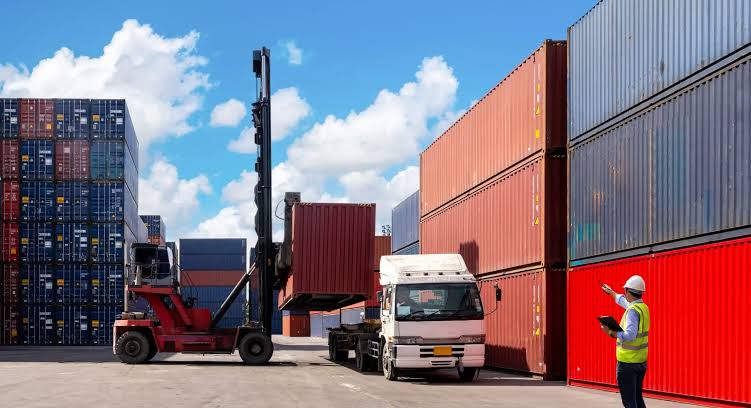
The landscape of corporate gifting and promotional products has undergone a radical transformation over the last decade. Historically, businesses were forced to adhere to high minimum order quantities, often referred to as MOQs, which acted as a significant barrier to entry for small businesses and startups. Large scale manufacturing processes favored volume, meaning that if a company wanted high quality branded apparel or tech gadgets, they had to commit to hundreds or even thousands of units. This old model frequently led to dusty storerooms filled with outdated logos and wasted capital.
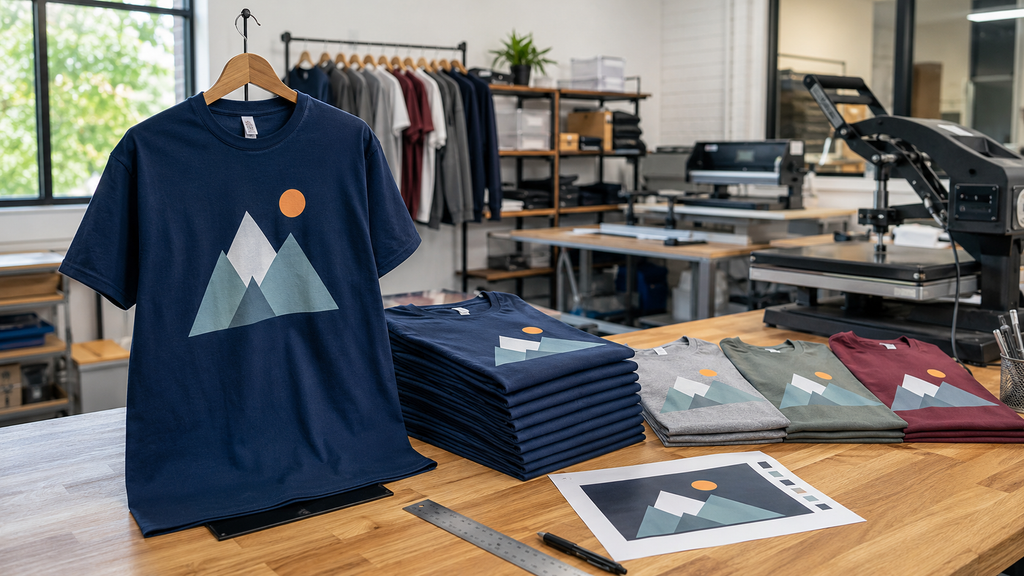
Today, technological advancements in digital printing, laser engraving, and embroidery have dismantled these barriers. The shift toward custom merchandise without the bulk through benefits of low minimum orders has democratized the ability to build a brand identity. Companies no longer need to be Fortune 500 giants to afford professional grade merchandise. This shift is not merely about convenience; it represents a fundamental change in how businesses manage their physical assets and brand presence in an increasingly fragmented market.
Financial Flexibility and Capital Preservation
One of the most immediate advantages of low minimum orders is the preservation of liquid capital. When a business is not required to sink thousands of dollars into a single order of branded tote bags or water bottles, that money can be redirected toward other critical areas such as research and development, digital marketing, or hiring talent. For a growing enterprise, cash flow is the lifeblood of the operation.
1. Reduced upfront investment allows for a more diverse range of products rather than one large batch of a single item.
2. Financial risk is significantly mitigated because there is no massive sunk cost if a specific promotional campaign does not perform as expected.
3. Budgeting becomes more granular, allowing departments to order exactly what they need for a specific quarter without overextending their annual allowance.
By utilizing Totally Branded for smaller, more frequent orders, organizations can maintain a lean financial profile while still appearing as polished and professional as their larger competitors. This financial agility is particularly vital during economic fluctuations where holding large amounts of physical stock represents a liability rather than an asset.
Inventory Management and Storage Optimization
Physical space is expensive. Whether a company is renting a warehouse or using valuable office square footage, storing boxes of promotional gear is a hidden cost that many fail to account for. Low minimum orders eliminate the need for significant storage infrastructure. This just in time approach to merchandise ensures that items are fresh, relevant, and not taking up space that could be used for revenue generating activities.
1. Reduced storage costs lead to lower overhead and less logistical complexity.
2. Inventory tracking becomes a simple task rather than a full time administrative burden.
3. The risk of product degradation, such as battery failure in stored electronics or yellowing of fabrics, is virtually eliminated.
When companies order in smaller increments, they can treat their merchandise as a flowing stream rather than a stagnant pool. This promotes a cleaner office environment and ensures that every piece of swag handed out to a client is in pristine condition, having only recently left the production line.
Testing Market Viability and Product Design
In the world of marketing, assumptions are dangerous. A brand might believe that a specific style of hoodie will be a hit with their audience, only to find that their customers would have preferred a high quality thermos. Low minimum orders serve as a powerful tool for A/B testing in the physical world. By ordering small batches of different items, a marketing team can gauge real world reactions before committing to a larger strategy.
Gathering Empirical Evidence
Instead of guessing, brands can release three different designs in quantities of ten or twenty. By tracking which items are claimed first at a trade show or which products receive the most social media engagement, the company gains actionable data. This empirical approach ensures that when the time comes to scale up, the decision is backed by evidence of consumer preference.
Iterative Design Improvements
Low minimums also allow for rapid iteration. If a logo placement looks slightly off on a physical sample or if a specific color palette does not translate well to embroidery, the company can make adjustments for the next small batch. This prevents the nightmare scenario of receiving five hundred units of a product with a design flaw that was not apparent on a digital mockup.
Personalization and the Rise of Niche Marketing
We are living in the era of hyper personalization. Mass produced, generic items are increasingly ignored by savvy consumers who crave a sense of exclusivity. Low minimum orders allow businesses to create highly targeted merchandise for specific subsets of their audience. This could mean creating unique items for a high value client appreciation dinner or specific gear for a small internal team that reached a major milestone.
1. Niche branding fosters a deeper emotional connection between the brand and the recipient.
2. Limited edition releases can create a sense of urgency and prestige around promotional items.
3. Customization can be tailored to local events, such as a specific city branch opening, without needing to buy for the entire national organization.
The ability to pivot and create bespoke items for small groups is a competitive advantage. It shows that a company is attentive to detail and values the specific relationship it has with different stakeholders. Working with a provider like Totally Branded enables this level of precision, ensuring that the quality remains high regardless of the batch size.
Seasonal Agility and Event Specific Branding
Marketing calendars are filled with holidays, trade shows, and industry conferences. A one size fits all approach to merchandise often fails to capture the spirit of these specific moments. With low minimum orders, a company can refresh its promotional lineup every season. This keeps the brand looking modern and engaged with current trends.
Adapting to Cultural Moments
If a particular trend or meme becomes relevant to an industry, a company can capitalize on it immediately by producing a small run of themed merchandise. By the time a large scale manufacturer would have cleared the proofing stage for a massive order, the cultural moment has often passed. Small batches allow for speed and relevance.
Event Specific Utility
For a specific three day conference, a company might want to provide branded notebooks that include the event agenda on the inside cover. High minimums would make this cost prohibitive, as the notebooks would be useless once the event ends. Low minimums make this level of thoughtful, event specific branding possible, significantly enhancing the attendee experience.
Sustainability and Waste Reduction in Modern Procurement
Environmental responsibility is no longer optional for modern brands. Consumers are increasingly scrutinizing the sustainability practices of the companies they support. High minimum orders are inherently wasteful; they often result in thousands of unused items eventually finding their way into landfills. By embracing low minimum orders, companies take a significant step toward a circular and more responsible economy.
1. Reduced manufacturing waste by only producing what is actually needed.
2. Lower carbon footprint associated with shipping and transporting smaller, lighter loads.
3. Elimination of the ethical dilemma regarding what to do with obsolete branded materials.
When a company chooses to order exactly what they require, they are making a statement about their values. This lean approach to procurement aligns with broader corporate social responsibility goals and resonates deeply with environmentally conscious clients and employees. It is a practical application of the reduce and reuse philosophy within a corporate framework.
Maximizing Impact with Totally Branded Solutions
Achieving high quality results with small quantities requires a partner that understands the technical nuances of low volume production. Totally Branded offers the expertise needed to ensure that even a small order of ten units receives the same attention to detail as an order of ten thousand. This level of consistency is crucial for maintaining brand integrity across various platforms and products.
When selecting items for a low minimum order, it is important to focus on high perceived value. Since the total investment is lower, companies can often afford to choose a more premium base product. For example, instead of ordering a hundred cheap plastic pens, a company might use Totally Branded to source twenty five high end metal pens with precision engraving. The latter is far more likely to be kept and used by the recipient, providing a much higher return on investment in terms of brand impressions and longevity.
Navigating the Transition to Low Minimum Procurement
Transitioning from a bulk buying mindset to a low minimum strategy requires a shift in internal processes. It involves moving away from annual procurement cycles toward a more fluid, monthly or quarterly assessment of needs. This allows the marketing and HR departments to stay responsive to the changing needs of the business.
1. Audit current inventory to identify which items are slow moving and should be transitioned to low minimum ordering.
2. Establish a clear set of brand guidelines to ensure that multiple small orders remain visually consistent over time.
3. Build a relationship with a reliable supplier like Totally Branded who can act as a consultant on which products are best suited for small batch production.
The future of corporate identity is not found in a warehouse full of identical shirts, but in the ability to deliver the right message, on the right product, at the right time. By leveraging the benefits of low minimum orders, businesses of all sizes can execute sophisticated, sustainable, and highly effective branding strategies that drive real engagement without the burden of excess inventory. This approach represents the pinnacle of modern, agile marketing, where quality and relevance always take precedence over sheer quantity.