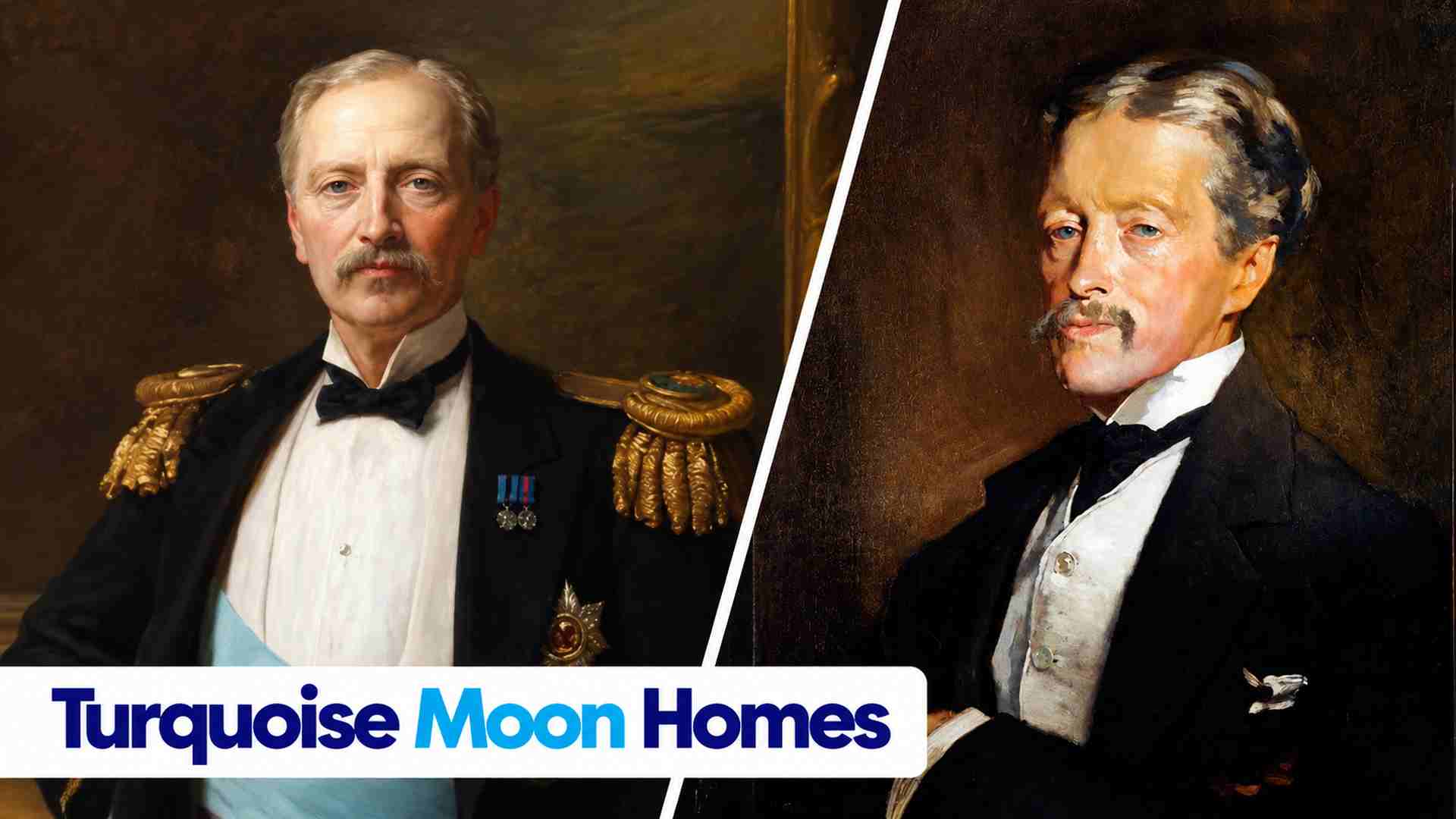
Can one person build a huge business and still change how people live? Edward Cecil Guinness did both. He helped turn a family brewery into a major company, then used much of his wealth to fund better homes and public spaces.
His story reaches far beyond a famous Irish drink. He backed safe housing in Dublin and London, supported hospitals, and gave the public access to art. Some of the work he started still serves people today.
In this guide, we look at Edward Cecil Guinness, his family roots, his rise in business, and the lasting effect of his gifts. Let’s start with the man behind the title Earl of Iveagh.
Who Is Edward Cecil Guinness?
Edward Cecil Guinness (1847–1927) was an Irish businessman and philanthropist. He ran the Guinness brewery during a time of rapid growth and became the first Earl of Iveagh.
He was born in Dublin on November 10, 1847. His father, Sir Benjamin Lee Guinness, was a brewer and civic leader. The family had built its fortune through the company founded by Arthur Guinness in the 18th century.
Yet his best-known work outside business was helping people live in safer homes. He funded housing projects, public services, medical care, and cultural spaces. That mix of industry and public service shaped his legacy.
A Childhood Close to the Brewery
Growing up in a well-known business family, Edward Cecil Guinness had an early view of how a large firm worked. His father had helped develop export sales and also supported major projects in Dublin. The young heir saw that running a business could bring both money and public duties.
He learned mainly at home with private teachers. He also joined his father on trips linked to the brewing trade, including visits to hop markets. Those trips offered direct lessons about supplies and the people behind them.
He later studied at Trinity College Dublin and graduated in 1870. His education was not limited to books. He had already seen the daily work of the business he would one day lead.
How He Took Control of the Family Business
His father died in 1868, leaving a share of the brewery to his sons. The younger businessman went on to manage the firm with his brother Arthur. It was a key moment for a family company with a long past and ambitious plans.
In 1876, Edward Cecil Guinness bought his brother’s share and became the sole owner. This gave him room to make major choices without splitting control. He focused on production, the wider market, and how to keep the brand strong as demand rose.
The scale of that growth is striking. English Heritage records that the brewery made 565,000 hogsheads of stout in 1879. By 1886, output had climbed to 907,000 hogsheads. Those figures show how fast the business expanded in just seven years.
Edward Cecil Guinness took another major step in 1886 when he floated much of the company on the London Stock Exchange. Investors could now buy shares in an enterprise that had long been run by one family. The move gave the brewery a new corporate shape and greatly increased his personal wealth.
He retired from daily management at a young age but stayed involved as chairman. His connection to the company did not end when he stepped away from the main job.
Why Housing Became a Major Part of His Work
A growing city can have great wealth and poor living conditions at the same time. In late 19th-century Dublin, many families lived in crowded homes with weak sanitation. The problem was not just a lack of space. Bad housing could also make illness harder to prevent.
Rather than focus only on short-term gifts, he put large sums into places where people could live. His plans included homes, washing facilities, and spaces that made daily life easier. The goal was to help households gain a safer base, not just offer one day of relief.
In 1890, he set up a housing trust with funds for work in London and Dublin. The Dublin side became the Iveagh Trust, which has continued its housing mission. This is one reason his name remains part of the city’s story.
For a closer look at the first projects, the Iveagh Trust’s history of Edward Cecil Guinness explains how his support helped build communities at Thomas Court and Kevin Street, and later backed work near Bull Alley.
These projects matter because a good home affects far more than the look of a street. A clean place to sleep, wash, and raise children can improve comfort, health, and day-to-day stability. That simple idea sat at the heart of his approach.
Public Baths, Markets, and Healthier Streets
His plans did not stop at the front door. City life also depends on the places people share. Markets need clean facilities. Families need safe outdoor areas. Workers need access to basic health care.
Edward Cecil Guinness helped fund the Iveagh Baths, which gave local people a public place to swim and wash. He also backed the Iveagh Market, an indoor market linked to efforts to improve hygiene around the sale of used clothes. These were practical services aimed at problems residents faced each day.
Another project was St. Patrick’s Park, near the city’s cathedral. In a crowded urban area, a green space offered fresh air and room away from busy streets. His gifts also supported hospitals and medical research.
The strength of these efforts lay in their range. New homes were useful, but they worked better when people could also reach clean shared spaces and local services. His work showed an early sense of how a neighborhood’s parts fit together.
What His Art Collection Left to the Public
Housing was not his only passion. He built a major collection of paintings, with works by artists such as Rembrandt, Vermeer, Turner, and Gainsborough. Collecting art was a private interest, but it would have a public result.
His collection became known as the Iveagh Bequest. It is associated with Kenwood House in London, where visitors can see fine art in a historic setting. The gift helped make works that had belonged to one wealthy collector accessible to a much wider public.
This part of his life shows another side of giving. Better homes meet vital needs. Access to art offers a different kind of value: the chance to learn, reflect, and enjoy work that might otherwise stay behind private doors.
Marriage, Children, and Family Life
In 1873, he married Adelaide Maud Guinness, a relative from another branch of the family. They had three sons: Rupert, Ernest, and Walter. Each grew up within a family whose name was tied to trade and public life.
His eldest son, Rupert, later succeeded him as Earl of Iveagh. The family’s story did not end with one generation, but its members followed different paths. The next generation carried its own duties and interests.
His private life was part of a much larger network of family ties, business roles, and social expectations. Still, it is his documented work in industry and civic life that offers the clearest view of what he did.
How He Became the Earl of Iveagh
Edward Cecil Guinness gained public standing as his business and charitable work spread. In 1885, he became a baronet. He was later made Baron Iveagh in 1891 and Viscount Iveagh in 1905. In 1919, he received the title Earl of Iveagh.
Titles can make a life story sound distant. In his case, the more useful questions are what he built and who benefited. A title marked his social rank, but the housing communities, parks, and public facilities give a clearer picture of his impact.
Edward Cecil Guinness died on October 7, 1927, in London, just short of his 80th birthday. By then he had left behind a business career, a large art collection, and projects meant to last beyond his lifetime.
Why His Legacy Still Matters
There is a key difference between a one-time donation and a lasting public service. A gift can meet an urgent need. A well-run housing trust can keep serving new families over many years. He put money into institutions that could continue working after he was gone.
The Iveagh Trust remains a clear example. Its work connects a 19th-century response to poor housing with an issue cities still face: how to give people safe, decent places to live. The needs have changed in some ways, but the value of stable housing has not.
His story also invites a fair question about wealth. A fortune made in private business does not erase wider social problems. Yet how that wealth is used can have a real effect on people’s lives. The most useful way to judge his work is to look at the services, places, and opportunities it helped create.
There is also a lesson for anyone who cares about communities today. Homes do not stand apart from health, parks, schools, or shared space. Strong neighborhoods need a mix of those things. His projects often worked from that wider view.
Final Thoughts
What stays with me about Edward Cecil Guinness is not the grand title or the size of the brewery. It is the choice to fund homes and civic spaces that other people could use. His life shows how one business leader’s decisions can reach far beyond a company.
He was a skilled industrialist, an art collector, and a supporter of city life. Most of all, he left a record that can be seen in real places, not just old family papers. That makes his story worth knowing long after his era ended.
Frequently Asked Questions
Did Edward Cecil Guinness attend Trinity College Dublin?
Yes. He studied at Trinity College Dublin and earned his degree in 1870.
What was his country home?
Farmleigh in Castleknock was his country residence. The place is also linked to the baronetcy he received in 1885.
Was the Iveagh Trust the same as the Guinness Trust in London?
They share a common founder and early funding goals, but developed as separate housing bodies serving different cities.
Did he support education as well as housing?
Yes. He gave funds to Trinity College Dublin and became its chancellor in 1908. He also supported a children’s play center with an after-school role.
Was he the founder of the Guinness brewery?
No. Arthur Guinness founded the original brewery in the 18th century. Edward was a later family leader who helped expand it.
You may also read: Vizcaya Homes Guide: Prices, Features, HOA, Location and Buying Tips, for a present-day look at what makes a housing community work for residents.
