
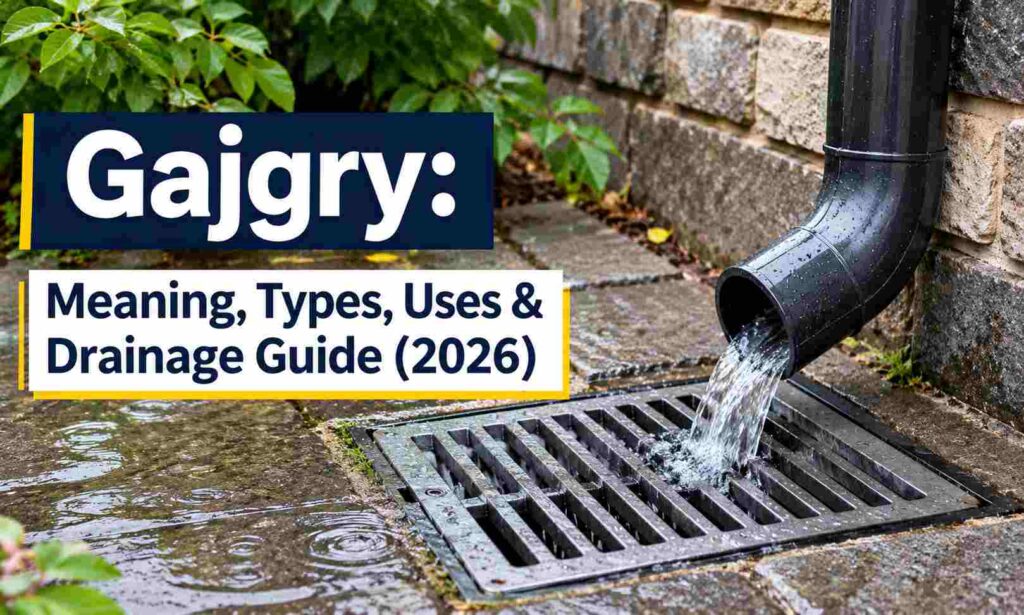
Gajgry are roof drain traps used in Czech building work. They sit below gutter downpipes and guide rainwater into drain pipes. Many have a small basket that catches leaves and grit. Some also have a flap that helps stop bad smells from the drain. They keep roof water moving and make routine cleaning easier.
A roof may look safe when the sky is clear. Yet one hard storm can send a lot of water down its pipes. If leaves block the flow, water may spill near walls or paths. A small drain trap can help reduce that risk.
In this article, you’ll discover what these fittings do, how each type works, what to check before you buy, and how to keep a roof drain in good shape.
What Does Gajgry Mean?
The Czech word gajgr names a roof runoff trap. Gajgry is its plural form. In English, the item may be called a downpipe gully, roof water trap, or roof debris collector. These are useful names, not exact labels for every model.
Czech sellers also use the phrase lapač střešních splavenin. It means a trap for matter washed off a roof. This name tells you why the part is there. It catches larger bits before they reach a buried pipe.
The term is not the name of a phone app or a new online service. It is used by real firms that sell drain parts. When you see it on a Czech shop page, look for pipe sizes and outlet types.
Why Roof Drain Traps Matter
Rain hits a roof and runs into the gutter. The gutter sends it down a pipe. From there, the water may flow into a storm drain or a rain tank. Gajgry can sit at the point where the downpipe meets the ground.
The roof sheds more than water. Wind can leave twigs, dust, moss, and leaves on it. A hard shower can wash these bits into the drain. If they build up in a buried pipe, repairs may be hard.
A trap brings part of that mess to a spot you can reach. You can lift its lid and clear the basket. It does not stop all dirt or make the rest of the pipes free from risk.
How Gajgry Work
Water comes down the gutter pipe and enters the top of the trap. It passes through an open space before it leaves by the outlet. The outlet links to the pipe that takes water away from the home.
In many units, a loose basket sits in the flow path. Leaves and larger bits stay in the basket while most water moves on. A lid lets you reach the basket without digging up the pipe.
Some units have a dry flap to help block drain odors. The flap is not a cure for every bad smell. It must fit and move as the maker says. A full basket can still slow the flow.
Main Types and Outlet Designs
There are two common outlet paths. A bottom outlet sends water down into a pipe below the trap. A side outlet sends it out through the side. The best choice for Gajgry depends on where the buried pipe runs.
A side outlet can help where there is little space to dig deep. A bottom outlet may suit a pipe that runs down from the base. Some units also have a rear inlet for a pipe set close to a wall.
Gajgry also differ in lid shape, basket size, and load rating. Some lids suit round downpipes, while others can take square ones. Check the full product sheet before you choose.
How to Choose the Right Size
First, measure the downpipe at the point where it will join the trap. Then check the size and path of the drain pipe below. Do not guess based on the width of the gutter alone.
Some Czech products support common downpipe sizes from 75 to 125 millimeters. A model may use rings that help fit more than one pipe width. Its outlet may still have just one fixed size.
Next, check the space around the wall and the depth of the pipe. Make sure you can open the lid once the ground is done. The unit also needs enough flow for the roof and local rain.
A Simple Guide to Installation
Start with a plan for where roof water will go. It should flow into a legal and safe outlet, not just spill beside a wall. Local rules may limit which drains can take roof runoff.
Place the trap at the downpipe base and match its outlet to the drain line. Keep the body firm and level as the maker directs. The buried pipe must have the right slope for free flow.
Next, fit the inlet and check that each joint is secure. Keep the lid easy to reach. Run water through the line to look for leaks or slow flow. Ask a drain expert to do the work if pipe levels or local rules are not clear.
How to Clean Gajgry
Check Gajgry when you clean the roof gutters. Look more often in fall, near tall trees, or after a hard storm. A clear basket leaves more room for water to pass through.
Open the lid with care and take out the basket if the design allows it. Wear gloves. Remove leaves, grit, and moss, then rinse the basket with clean water. Put it back in the right place.
Check the flap and the outlet for stuck dirt. Do not force a part that will not move. Close the lid well, then pour in water to check the flow. If the water still backs up, the pipe may need more work.
Common Problems and What They Mean
Water that spills from the top may mean the basket is full. It can also point to a block farther down the line. Clear what you can reach, then test the flow before you blame one part.
A bad smell may come from a flap that is stuck, worn, or not fitted right. It may also come from the wider drain. Clean the unit and check its seals. Call a pro if the smell stays.
A cracked lid or loose joint needs care as well. Rain can leak into the soil by a wall. Replace broken parts with ones made for the model. Do not seal over a fault that needs repair.
Benefits and Limits of These Traps
The chief benefit is easy access to roof debris. A basket can keep leaves out of buried lines. That may help cut the risk of clogs and save time when the gutters need care.
A well-fitted trap also makes the change from a vertical pipe to a buried drain more neat. Some units can help control odors. The result will depend on the unit and the rest of the drain system.
Gajgry are not filters for safe drinking water. They do not catch all fine dirt or germs. They also cannot fix a drain with poor slope, too little capacity, or a major block.
What to Check Before You Buy
Read the maker’s size chart and check both inlet and outlet. Match the unit to the pipe path at your home. A low price is of little use if the fitting leaks or does not fit.
Look for a lid that opens with ease and a basket you can take out. Check whether the flap can be cleaned or changed. If the trap is near a path, check its stated load rating too.
Keep a note of the brand and model for spare parts. Ask the seller for the install guide if one is not shown. A clear sheet of facts is worth more than a vague claim that one trap fits all roofs.
Frequently Asked Questions
What Does Gajgry Mean in English?
It is the Czech plural word for roof drain traps. These fittings link roof downpipes with drains and often catch large bits of waste.
Do All Units Have an Odor Flap?
No. Designs vary. Check the product sheet to see if a dry flap or other odor guard is part of the unit.
How Often Should I Clean a Trap?
Check it with your gutters and after major storms. Clean it more often if trees drop leaves on your roof.
Can I Install One Myself?
A simple swap may be possible if the pipe sizes match. For new buried pipes or unclear local rules, hire a skilled installer.
Will It Stop All Drain Blocks?
No. It catches larger debris, but fine grit can still pass through. The full drain line needs care and a sound layout.
Final Thoughts
A small roof drain part can have a big job. It helps move rain away from the home and keeps some roof waste within easy reach. That is why these fittings matter even when they are out of sight.
The best choice starts with the pipe size, outlet path, and need for easy cleaning. A good fit and firm joints matter more than bold claims on a sales page. Keep the lid clear and the basket clean.
With the right care, Gajgry can be a useful part of a sound rainwater system. The aim is simple: help water flow where it should, with less mess and less risk near the house.

Nike Carkarel
Nike Carkarel writes about home decor, interior design, and practical ways to make living spaces more beautiful and comfortable. At Turquoise Moon Homes, Nike shares ideas for decorating rooms, choosing furniture, improving home layouts, and making everyday spaces work better. With an interest in thoughtful design and simple home improvements, Nike helps readers find inspiration for homes that feel welcoming, stylish, and easy to live in.


