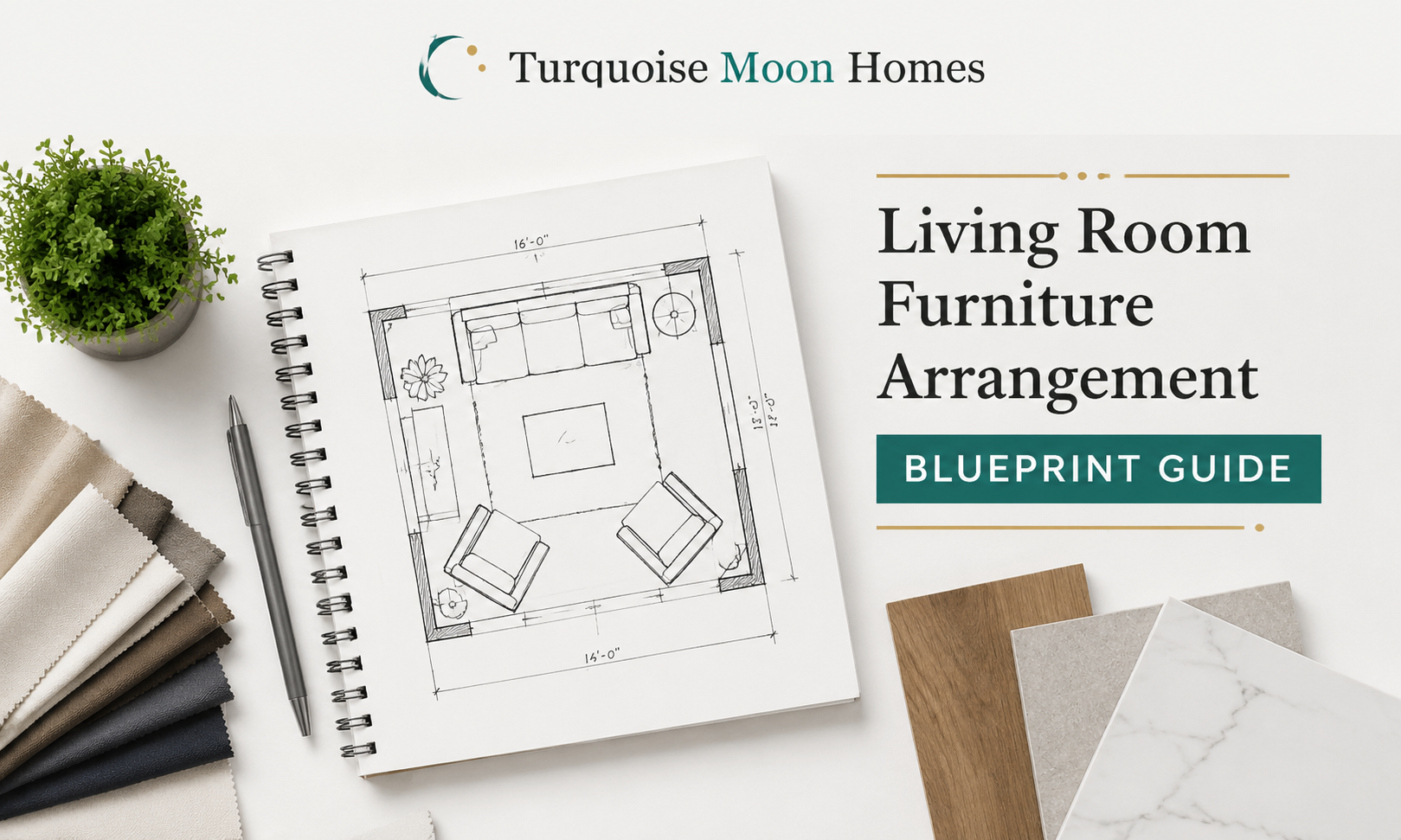
Living room furniture arrangement means placing your sofa, chairs, tables, and other pieces in a way that improves comfort, movement, and the overall look of your space. The best arrangement starts with a focal point, creates easy walking paths, and keeps furniture balanced for daily use.
A well-planned living room layout can make a small room feel larger, a large room feel cozy, and an awkward space feel more functional. Whether you are arranging furniture around a TV, fireplace, sectional sofa, or open floor plan, the right placement helps you create a comfortable home.
In this guide, you will learn simple furniture arrangement rules, layout ideas for different room sizes, spacing tips, common mistakes to avoid, and practical ways to design a living room that fits your lifestyle.
What Is the Best Way to Arrange Living Room Furniture?
The best living room furniture arrangement starts with a clear focal point, comfortable seating, and enough space to move around. Place your main sofa near the room’s main feature, such as a TV, fireplace, window, or artwork. Then add chairs, tables, and rugs to create a balanced seating area.
A simple arrangement process looks like this:
- Find the main focus of the room.
- Place the largest furniture piece first.
- Create a comfortable conversation area.
- Leave enough space for walking.
- Add smaller pieces to complete the layout.
Your living room should support how you use the space. A family room needs easy seating for everyone, while a formal living room may focus more on conversation and appearance.
Start With Your Living Room’s Focal Point
A focal point is the main area that naturally attracts attention when someone enters the room. Every successful living room furniture arrangement usually begins around this feature.
Common focal points include:
- Television
- Fireplace
- Large window
- Artwork
- Built-in shelves
- Beautiful outdoor views
How to Arrange Furniture Around a TV
Many homes use the TV as the main focus. In this case:
- Place the sofa where everyone can comfortably see the screen.
- Avoid placing the TV too high on the wall.
- Keep seating close enough for easy viewing.
- Add chairs at angles to create more flexible seating.
A TV-centered layout works well for family rooms and entertainment spaces.
How to Arrange Furniture Around a Fireplace
A fireplace creates a natural gathering point. You can arrange furniture by:
- Placing sofas or chairs facing the fireplace.
- Creating a circle or square seating group.
- Keeping enough open space in front of the fireplace.
A fireplace layout works best when people can enjoy both warmth and conversation.
Living Room Furniture Arrangement Rules That Always Work
Good furniture placement follows a few simple rules. These rules help your room feel comfortable instead of crowded.
1. Keep Clear Walking Paths
People should move through the room without bumping into furniture.
Recommended space:
| Area | Suggested Space |
|---|---|
| Main walking path | 30 to 36 inches |
| Space between sofa and coffee table | 14 to 18 inches |
| Space between chairs | 18 to 24 inches |
| Behind dining or seating areas | Around 36 inches |
These measurements may change based on your room size, but they provide a helpful starting point.
2. Avoid Pushing Everything Against Walls
Many people place every piece of furniture against the wall. This can make a room feel empty in the center.
Try these ideas:
- Float the sofa away from the wall.
- Create a central seating group.
- Use a rug to connect furniture pieces.
- Leave open areas for movement.
Floating furniture often makes a room feel more designed and comfortable.
3. Choose Furniture That Matches Room Size
The size of your furniture affects the entire room.
For a small living room:
- Choose a compact sofa.
- Use fewer large pieces.
- Pick furniture with visible legs to create an open feeling.
For a large living room:
- Use bigger sofas.
- Add accent chairs.
- Create multiple seating zones.
The goal is balance. A large sofa in a small room can feel overwhelming, while tiny furniture in a large room can look lost.
Living Room Layout Ideas for Different Room Shapes
Every room has a different shape. The best furniture arrangement depends on your available space.
Small Living Room Furniture Arrangement
Small rooms need smart planning. The goal is to create comfort without making the area feel crowded.
Try these ideas:
- Use a sofa with a small chair instead of multiple large chairs.
- Choose a round coffee table for easier movement.
- Use vertical storage like shelves.
- Keep furniture away from doorways.
A small living room can still feel open when every piece has a purpose.
Long and Narrow Living Room Layout
Long rooms often feel like hallways. The solution is to divide the space into useful areas.
Use these tips:
- Place furniture across the width of the room.
- Create a conversation area at one end.
- Add a rug to define the seating zone.
- Avoid lining all furniture along one wall.
A long living room can feel balanced when you create separate zones.
Square Living Room Arrangement
Square rooms are easier to balance because they have equal sides.
Good options include:
- Sofa facing chairs.
- Sectional sofa around a coffee table.
- Symmetrical seating arrangements.
A square layout works well for both relaxing and entertaining.
Open Concept Living Room Layout
Open spaces combine living, dining, and kitchen areas. Furniture helps create visual boundaries.
Useful ideas:
- Place a sofa with its back facing the dining area.
- Use rugs to separate zones.
- Add chairs to create a clear living area.
- Keep colors and styles connected.
Furniture placement can create rooms without adding walls.
Popular Living Room Furniture Arrangement Styles
Different lifestyles need different layouts.
| Layout Style | Best For |
|---|---|
| Conversation layout | Guests and family talks |
| TV focused layout | Movie nights and entertainment |
| Floating layout | Open spaces |
| Symmetrical layout | Formal rooms |
| Sectional layout | Large families |
| Multi-zone layout | Large living rooms |
How to Arrange a Living Room With a Sofa and Chairs
A sofa and chair combination creates flexible seating.
A simple setup:
- Place the sofa as the main anchor.
- Add chairs opposite or beside the sofa.
- Put a coffee table between seating pieces.
- Add a rug to connect everything.
The chairs do not always need to face the sofa directly. Slight angles can create a more relaxed feeling.
How to Place a Coffee Table in a Living Room
The coffee table should support the seating area, not block movement.
Follow these tips:
- Keep it within easy reach of the sofa.
- Leave walking space around it.
- Match its size with your seating.
- Use a round table in tight spaces.
A coffee table that is too large can make the room feel smaller.
Common Living Room Furniture Arrangement Mistakes
Many rooms feel uncomfortable because of simple placement mistakes.
Mistake 1: Blocking Walking Areas
Large furniture should not interrupt natural paths between doors and rooms.
Mistake 2: Using the Wrong Rug Size
A small rug can make furniture look disconnected.
Better approach:
- Place front sofa legs on the rug.
- Connect chairs and tables with the same rug.
Mistake 3: Adding Too Much Furniture
More furniture does not always create more comfort.
Remove pieces that:
- Block movement.
- Feel unnecessary.
- Make the room crowded.
Mistake 4: Ignoring Room Balance
Balance does not always mean perfect symmetry. It means the room feels visually comfortable.
How to Make a Living Room Feel Bigger
A smart living room furniture arrangement can make a small space look larger.
Try these ideas:
- Use fewer but better furniture pieces.
- Keep pathways open.
- Choose light colors.
- Add mirrors.
- Use furniture with raised legs.
- Avoid heavy visual clutter.
The goal is to create breathing space.
Living Room Furniture Arrangement Checklist
Before finalizing your layout, ask:
- Can people walk easily through the room?
- Does the seating support conversation?
- Can everyone see the main focal point?
- Is there enough space around tables?
- Does the furniture match the room size?
- Does the room feel balanced?
If the answer is yes, your arrangement is likely working well.
Frequently Asked Questions
How should furniture be arranged in a living room?
Arrange furniture around a main focal point, create a comfortable seating group, and leave enough space for walking. Start with the largest piece, usually the sofa, then add smaller items.
Should a sofa face the TV?
A sofa can face the TV if entertainment is the main purpose of the room. However, angled chairs or additional seating can create a better balance for conversation.
Should furniture touch the walls?
Furniture does not always need to touch walls. Floating furniture can create a warmer and more organized living room layout.
How much space should be between a sofa and coffee table?
Most living rooms work well with about 14 to 18 inches between the sofa and coffee table.
What is the most important rule for living room furniture arrangement?
The most important rule is creating a layout that supports movement, comfort, and the way you use the room every day.
Conclusion
The best living room furniture arrangement creates a space that feels comfortable, balanced, and easy to use. Start by choosing a focal point, placing your largest furniture first, keeping clear walking paths, and arranging seating for both comfort and conversation.
Every living room has different needs, so the ideal layout depends on your room size, furniture style, and how you use the space. A small room may need fewer pieces and smart spacing, while a large room may benefit from multiple seating zones.
By following simple placement rules, measuring your space, and avoiding common layout mistakes, you can create a living room that looks better and works better every day.
For more easy home design guides, practical tips, and helpful ideas, visit Turquoise Moon Homes.
