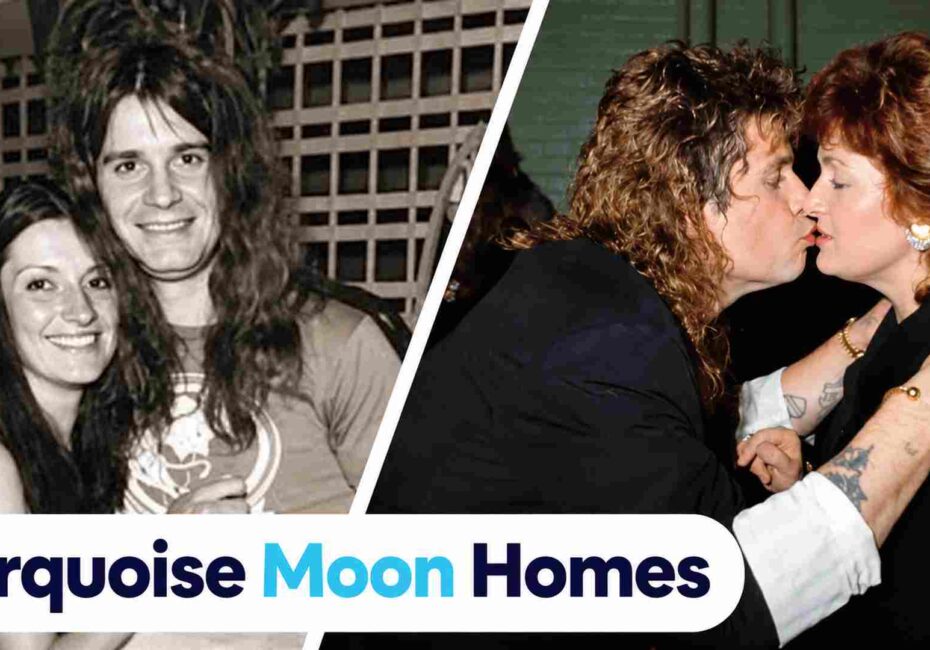
Michael Greenburg helped make two of TV’s best-known adventure shows. He worked on MacGyver and later helped bring Stargate SG-1 to homes across America. He is also known as Sharon Stone’s first husband. Yet his years behind the camera tell a much larger story. He helped crews make big ideas work on a TV budget. He built a long work link with actor Richard Dean Anderson. And he learned how to keep a series fresh from week to week.
Greenburg did not spend most of his time on screen. He worked where the plans turn into scenes, where a team must solve a problem before the cameras roll. Fans may know the stars and stories, but producers have a key role too. His career helps explain why these shows lasted and why viewers still care about them.
Who Is Michael Greenburg?
Michael Greenburg is an American film and television producer. He has also worked as a director and writer. He made his name with action and science fiction shows, above all MacGyver and Stargate SG-1. His work with Richard Dean Anderson helped link the two series. Fans of the shows may know Anderson as Angus MacGyver and Jack O’Neill.
Greenburg has spoken about his work in several long interviews. He sees himself as a filmmaker rather than a person tied to one job title. That makes sense when you look at his tasks. On a TV set, he took part in planning, work with scripts, shooting, and the final edit. Some days called for creative choices. Other days called for ways to stay on time and within a budget.
Early Interest in Film and a Start Behind the Camera
Michael Greenburg grew up with a love of making films. In an interview for a Richard Dean Anderson fan site, he recalled that he had been drawn to filmmaking since he was a young teen. He tried different jobs when making films with friends. One day he might work with a camera. On another day, he might handle sound or lights.
That kind of practice gave him a view of what a crew needs. A scene does not come to life through one person alone. It takes planning and many hands. Learning several jobs can help a producer see why one small change may affect the whole day.
Michael Greenburg studied film at the University of Southern California. His early work also took him into the job of assistant director. In that role, a person helps a production keep moving. They work with a plan, a schedule, and the many people needed for each scene. It can be a fast way to learn how a set works.
One early paid job involved a film project about the history of the Presbyterian Church. Greenburg worked as an assistant director on it. Years later, he could still recall the project and how it helped him move into film work. Small jobs like that can be an important first step before a career moves into big TV shows.
The Golden Moment and a Move Into Television
In 1979, Michael Greenburg worked on the NBC miniseries The Golden Moment. It was an early major step in his career as a producer. A miniseries has to tell its story across a set number of parts. The team has to plan the whole story, while also making each part worth watching on its own.
He later spent time at Warner Bros. working on films for TV and other projects. His credits from that era include The Vegas Strip War and In the Eyes of a Stranger. He also worked on feature films. Each format came with its own needs. A film might have more time for a large scene, while a weekly TV series must make new hours of content again and again.
Greenburg’s path shows how work in film can lead to a very different kind of challenge on TV. His next major series would ask him to keep pace with a hero who found a new problem almost every week.
How MacGyver Changed His Career
MacGyver began on ABC in 1985. Richard Dean Anderson played a hero who often used his mind and things around him instead of a gun. The show gave viewers action without making force the answer to every problem. That was a large part of its appeal.
Michael Greenburg joined during the show’s early years. In a 2015 interview with The MacGyver Project, he spoke about joining for season two and staying until the series came to an end. He first thought the job might last only a short time. It turned into years of work.
He came to the show from films and TV movies, not from a long career making weekly drama. That meant he had to learn a new pace. An episode had to be planned, shot, and finished while the next one was already getting ready. The show also needed new ideas for the clever ways MacGyver got out of trouble.
His work touched the many parts of a shoot. He helped teams prepare scenes and solve problems before cameras rolled. He worked with scripts and met with department heads. He also had to think about the cost of what the writers wanted to show. A great idea on paper still had to be filmed with the crew, gear, and time that the show had.
The series gave Greenburg a long chance to work with Anderson. That work link became a key part of his later career. The two would join forces again after MacGyver and help make a new sci-fi series.
What a Producer Did on the MacGyver Set
When viewers see MacGyver turn common items into a clever tool, the moment can feel easy. Behind the camera, a scene like that takes planning. A crew has to know what the actor will touch, what the camera will show, and how to make the action safe and clear.
Michael Greenburg worked with the people who turned scripts into those scenes. A director guided the cast and shots. Crew heads planned sets, props, lights, and sound. The producer made sure all those pieces worked together. There was also a budget to watch and a day of work to keep on track.
The show had action, but it also needed heart. Viewers had to care about MacGyver, not just the next trick. Anderson’s friendly screen style helped build that bond. Greenburg’s production work helped give that style a world to live in. It was a team effort rather than one person’s creation.
A Lasting Partnership With Richard Dean Anderson
Michael Greenburg and Anderson kept working together after MacGyver. They formed a company called Gekko Film Corp. Their projects included the Western adventure show Legend, which aired on UPN in 1995. Anderson played a writer drawn into a life like the one he had made up for his books.
Legend did not run for many seasons. Even so, Greenburg spoke of it with great warmth years later. He liked the central idea and the room it gave the team to have fun. Short runs can still mean a lot to the people who made a show. The number of episodes does not always tell you how much a project mattered to its crew.
The pair also worked on TV movies linked to MacGyver. Their work showed a level of trust built over years. A producer and star who know each other’s style can make choices faster. They can talk about what works, what does not, and how to bring the best idea to the screen.
Turning Stargate Into a Weekly TV Series
The 1994 film Stargate gave audiences a mix of space travel, ancient worlds, and military action. Turning that film into a weekly show was not a simple job. The team had to build a world that could hold many stories, not just one trip through a gate.
Michael Greenburg and Anderson joined the work on Stargate SG-1. Anderson played Jack O’Neill, while the cast also featured Amanda Tapping, Michael Shanks, and Christopher Judge. The series began in 1997 and grew into one of the best-known sci-fi shows of its time.
The key idea was easy for viewers to grasp. A team could use a gate to travel to other worlds. That gave writers a fresh place to take the cast in almost every episode. Yet the stories still needed a clear set of people at the heart. The team had to make the worlds feel new while keeping the same core bonds.
Greenburg was an executive producer. His work dealt with many steps, from getting an episode ready to its final cut. He could help decide how a scene should look, what the set needed, and how a tough script might fit the time and money on hand.
How Stargate SG-1 Stayed Fresh
A science fiction show can ask for a lot. Some scripts call for large sets, costumes, strange worlds, and visual effects. All of that takes time. A weekly series also has to give fans people they want to see again. The best effects mean little if viewers lose interest in the crew.
Michael Greenburg and the team placed value on the cast and how their roles worked together. Anderson brought humor and warmth to O’Neill. The other actors gave the series a mix of science, strength, trust, and moral debate. That mix gave the show room for quiet scenes as well as large action stories.
The writing could shift from a grave threat to a funny moment. That range helped the characters feel like more than pieces in a big sci-fi plot. It also helped a story set in space speak to people at home. Friendship, duty, fear, and hope are easy themes to follow, no matter where the story takes place.
Greenburg spoke about the success of Stargate in interviews with sci-fi media. He noted that many things had to line up for a long-running series to work. A strong cast, a good story idea, and care in the way the show was made all played a part. He did not present its success as the work of only one person.
A Producer Who Stayed Close to the Set
On Stargate, Michael Greenburg was not just a name listed in the credits. He spent time on the set and took part in the work from start to finish. That meant he could respond when a scene needed a change or when a plan did not work in practice.
A script may call for a large battle. The crew then has to decide where to place the camera, how to make the area look real, and how much can be done in a day. Some plans change once the team sees the set. A producer close to the work can help solve those problems without losing the point of the scene.
In an in-depth interview about his work on Stargate, Greenburg described how much of the show passed through his hands. The job went beyond giving notes. It meant being part of the daily choices that shaped what people finally saw on TV.
That hands-on style helps explain the link between his early film jobs and his later success. He had learned how different crew jobs fit together. He brought that broad view to programs with many moving parts.
His Films and Other TV Credits
Michael Greenburg’s career did not stop with these two big shows. His work also includes TV movies and feature films. Among his film credits is Allan Quatermain and the Lost City of Gold, a 1986 adventure film. He worked on many hours of television across different kinds of stories.
The work moved from crime tales to action and science fiction. A change of genre did not mean that all the skills changed. Crew planning, story sense, care with actors, and sound choices about time and cost mattered in each project. What changed was the kind of world the team had to build.
He also took part in projects using new ways to show film. His credits include My Strange Uncle, an early scripted IMAX project. Working in a large-screen format called for care in how scenes looked. Every detail becomes much bigger when the image fills a tall screen.
Michael Greenburg and Sharon Stone
Michael Greenburg was married to actress Sharon Stone in the 1980s. They met while working on The Vegas Strip War, a TV movie. Their marriage began in 1984. The couple later split, and the marriage ended before Stone’s rise to the level of fame she reached in the 1990s.
Stone became known around the world through films such as Total Recall, Basic Instinct, and Casino. Her later screen success drew interest in her life before those roles. That is why Greenburg’s name often appears in searches about her first marriage.
At the time they met, both were working in film. Greenburg’s role was behind the scenes, while Stone appeared on screen. Their paths crossed through a production, a place where many people with different skills come together for one project.
The marriage is one part of his life, but his work on television lasted far longer. Michael Greenburg helped make shows that reached viewers for years and still have fans today. His own career is best understood through those projects as well as his past link to Stone.
The Link Between His Two Most Famous Shows
At first glance, MacGyver and Stargate SG-1 seem far apart. One is about a man who solves hard problems with skill and everyday items. The other sends a military and science team to worlds beyond Earth. Yet they share a few traits.
Both series gave their lead characters room to think and act. Both mixed danger with humor. Both used strong bonds between people to hold the story together. And both leaned on Richard Dean Anderson’s friendly but firm screen style.
Michael Greenburg’s role links the shows in a direct way. He helped make MacGyver work across its weekly run, then worked with Anderson again as Stargate grew. The move from one show to the other was a new test of ideas they had worked with for years.
A TV producer cannot make a hit alone. Writers, cast, crew, network teams, and fans each play a role. But a producer can help give those many parts a shared path. Greenburg spent years doing that kind of work.
Why His Work Still Matters to TV Fans
People can watch an old episode years after it first aired and still enjoy it. That kind of staying power does not come only from effects or a strong title. It often comes from clear stories and people viewers care about.
MacGyver gave fans a hero who used thought before force. Stargate SG-1 gave them a team whose trust grew through hard trips. Michael Greenburg worked on both, helping build the scenes and stories that made those ideas work on screen.
Michael Greenburg’s long career is also a good look at how much is done behind the camera. A producer’s name may pass by in the credits, but the work affects every part of a show. From a first plan to the final scene, someone must keep the many pieces moving.
For those who know him only through Sharon Stone, the TV work adds an important side of his story. He helped shape programs with their own place in American pop culture. His years with Anderson were a major part of that legacy.
A Life in Film, Not Just a Hollywood Marriage
Michael Greenburg’s work stretches across many forms of film and television. He learned on small projects, worked on TV movies, joined MacGyver, and helped lead Stargate SG-1. Along the way, he built a lasting work bond with Richard Dean Anderson and took on the daily tasks that keep a set running.
His first marriage to Sharon Stone is a piece of Hollywood history. His work behind the camera tells the deeper story of his career. It shows how a person who learns many parts of the trade can help make a series that people still love long after its first run.
For another look at a life tied to a famous TV star, read Anna Beth Goodman’s story and her life with actor John Goodman on Turquoise Moon Homes.

Nike Carkarel
Nike Carkarel writes about home decor, interior design, and practical ways to make living spaces more beautiful and comfortable. At Turquoise Moon Homes, Nike shares ideas for decorating rooms, choosing furniture, improving home layouts, and making everyday spaces work better. With an interest in thoughtful design and simple home improvements, Nike helps readers find inspiration for homes that feel welcoming, stylish, and easy to live in.