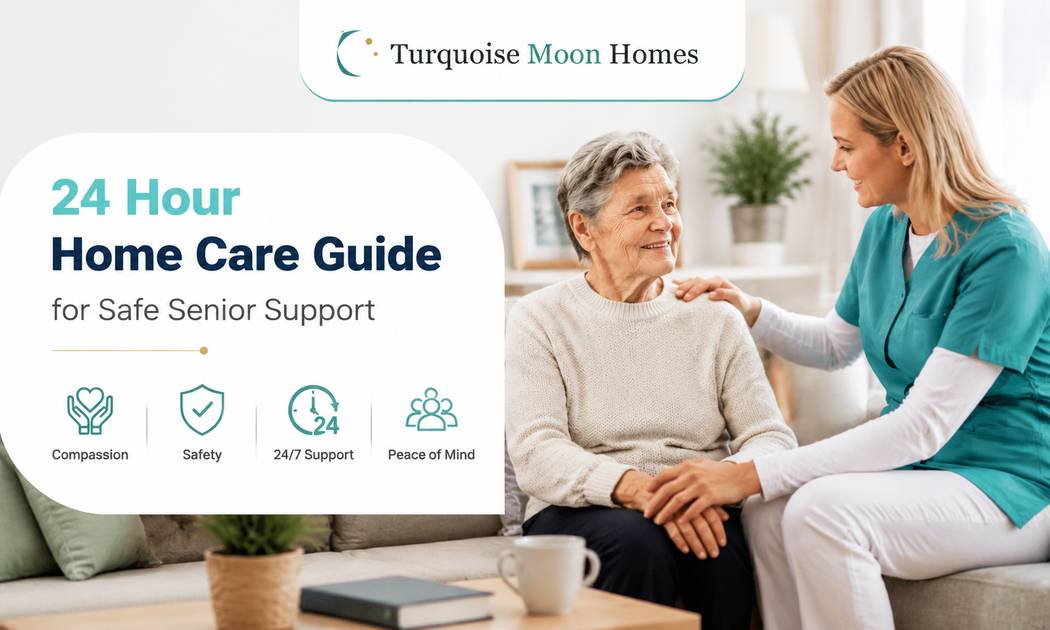
24 Hour Home Care provides round-the-clock support for seniors, adults with disabilities, and people who need daily assistance while living safely at home. Professional caregivers help with personal care, companionship, mobility, meals, medication reminders, and everyday tasks throughout the day and night.
Finding the right care option for a loved one can feel difficult. This guide explains how 24 hour home care works, what services caregivers provide, costs, benefits, and how families can choose the best home care solution.
What Does 24 Hour Home Care Mean?
24 hour home care means a person receives continuous care and support at home for the entire day. Caregivers provide help during daytime hours, evening hours, and overnight hours.
This type of care usually involves caregivers working in shifts. One caregiver may help during the day, while another caregiver takes over later to make sure the person receives steady support.
24 hour home care is different from regular hourly care because it provides ongoing assistance instead of only a few scheduled visits.
Families often choose this option when someone needs:
- Frequent help with daily activities
- Overnight supervision
- Safety monitoring
- Help after a hospital stay
- Support with memory problems
- Assistance with mobility
- More care than family members can provide alone
How Does 24 Hour Home Care Work?
Many people ask, “How can a caregiver provide care all day and night?”
A 24 hour home care plan usually works through caregiver shifts.
| Time | Care Support |
|---|---|
| Morning | Help with bathing, dressing, breakfast, medication reminders, and daily routines |
| Afternoon | Companionship, meals, errands, appointments, and household support |
| Evening | Dinner preparation, personal care, relaxation, and bedtime routines |
| Overnight | Safety checks, bathroom assistance, and support when needed |
A care agency usually creates a schedule based on the person’s needs. The plan may change as the person’s health and daily needs change.
Who Needs 24 Hour Home Care?
24 hour home care can help many people who need extra support but want to remain at home.
Seniors Who Need Daily Help
Older adults may need help with:
- Getting dressed
- Taking a shower safely
- Preparing meals
- Moving around the house
- Managing daily routines
Many seniors prefer home care because it allows them to stay in a familiar place while receiving support.
People With Memory Conditions
People living with memory problems may need regular supervision.
24 hour caregivers can help with:
- Dementia care
- Alzheimer’s care
- Safety reminders
- Daily routines
- Reducing confusion
- Providing calm companionship
A consistent caregiver routine can help families feel more confident about their loved one’s safety.
People Recovering After Illness or Surgery
Some people need extra help after leaving a hospital.
Caregivers can support recovery by helping with:
- Moving safely around the home
- Preparing healthy meals
- Following care instructions
- Keeping track of appointments
- Providing emotional support
Adults With Disabilities or Long-Term Health Needs
People with disabilities or ongoing health needs may need daily assistance to live safely and comfortably at home.
Caregivers can provide personal support while helping the person maintain independence.
What Services Are Included in 24 Hour Home Care?
The services included depend on each person’s needs. A care plan is usually created around the person’s lifestyle, health, and preferences.
Personal Care Assistance
Personal care helps with everyday activities such as:
- Bathing
- Dressing
- Grooming
- Toileting
- Changing clothes
- Personal hygiene
Companion Care
Companion care focuses on emotional support and social connection.
A caregiver may:
- Talk with the person
- Play games
- Read together
- Go for walks
- Provide company during daily activities
Mobility Support
Caregivers can help people move safely.
Support may include:
- Walking assistance
- Transfer help
- Fall prevention
- Wheelchair assistance
Household Support
Many caregivers also help with basic home tasks.
Examples include:
- Meal preparation
- Light housekeeping
- Laundry
- Grocery shopping
- Organizing daily items
Medication Reminders
Caregivers can remind clients about their medications based on their care plan.
They do not replace doctors or nurses, but they can help families maintain better daily routines.
24 Hour Home Care vs Live-In Care
Many families confuse 24 hour home care with live-in care. They are not always the same.
| 24 Hour Home Care | Live-In Care |
|---|---|
| Caregivers work scheduled shifts | One caregiver usually stays in the home |
| Provides continuous awake support | Caregiver may have sleeping hours |
| Better for people needing frequent attention | Better for people needing less constant support |
| Often involves multiple caregivers | Often involves fewer caregivers |
A person who needs overnight help, frequent monitoring, or regular assistance may benefit more from 24 hour home care.
How Much Does 24 Hour Home Care Cost?
The cost of 24 hour home care depends on several factors.
Common cost factors include:
- Location
- Number of care hours needed
- Level of assistance required
- Caregiver experience
- Medical or memory care needs
- Agency fees
In many areas, full-time home care can cost several thousand dollars per month. Families should request a personalized quote because every care situation is different.
What Can Change the Cost?
| Factor | How It Affects Cost |
|---|---|
| More care hours | Increases total cost |
| Complex health needs | May require experienced caregivers |
| Specialized care | May increase rates |
| Location | Prices vary by region |
Does Medicare Pay for 24 Hour Home Care?
Many families ask, “Will Medicare cover 24 hour home care?”
Usually, Medicare does not pay for long-term 24 hour personal care at home. Medicare may cover certain short-term home health services when a person meets specific requirements.
Possible payment options may include:
- Long-term care insurance
- Medicaid programs
- Veterans benefits
- Private payment
- State assistance programs
Families should check their own coverage because benefits depend on eligibility and location.
Benefits of Choosing 24 Hour Home Care
1. Allows Seniors to Stay at Home
Many people feel happier and more comfortable in their own homes. Home care allows them to receive help without moving to a care facility.
2. Provides Family Peace of Mind
Family members often worry about safety when they cannot be available all the time.
A caregiver provides support and regular supervision, which can reduce family stress.
3. Creates Personalized Care
Unlike a one-size-fits-all setting, home care can follow the person’s own routine.
Care plans can include:
- Favorite meals
- Preferred schedules
- Personal habits
- Family communication
4. Supports Independence
Good care does not remove independence. It helps people complete daily activities safely while keeping control over their choices.
How to Choose the Right 24 Hour Home Care Provider
Finding the right caregiver takes careful research.
Ask These Questions:
Is the caregiver trained?
Ask about:
- Experience
- Background checks
- Care training
- Specialized skills
Does the company create personalized plans?
A good provider should understand the person’s:
- Health needs
- Daily routine
- Personal preferences
- Family goals
How does the company handle caregiver changes?
Reliable providers should have a plan when a caregiver is unavailable.
Can they provide references?
Reviews and family feedback can help you understand the quality of care.
FAQs
What Services Does 24 Hour Home Care Include?
24 Hour Home Care may include bathing, dressing, grooming, meal preparation, mobility assistance, medication reminders, companionship, light housekeeping, and safety supervision based on the person’s needs.
Who Needs 24 Hour Home Care?
People who may benefit from 24 Hour Home Care include seniors, people with dementia or Alzheimer’s disease, adults with disabilities, and individuals recovering after illness or surgery.
Is 24 hour home care the same as nursing care?
No. Many 24 hour home care services provide non-medical support, such as personal care, companionship, and daily assistance. Skilled nursing requires licensed medical professionals.
Can caregivers help with dementia patients?
Yes. Many caregivers provide dementia and Alzheimer’s support, including safety monitoring, routine assistance, and companionship.
How many caregivers are needed for 24 hour care?
Many 24 hour care plans use multiple caregivers who work shifts. The number depends on the person’s needs and schedule.
Is home care better than a nursing home?
It depends on the person’s needs. Home care can provide comfort and personal attention, while some people may need medical services available in a facility.
Final Thoughts
24 Hour Home Care gives families a safe and reliable way to support loved ones who need ongoing help at home. It allows seniors and adults with health needs to receive personal care, companionship, and daily assistance while staying in a familiar environment.
The best care choice depends on the person’s needs, health condition, budget, and lifestyle. Before choosing a provider, families should compare caregiver experience, services, pricing, and care plans.
If you are looking for more helpful guides about senior care, family support, and important life decisions, visit Turquoise Moon Homes for trusted information.
