Paint is the cheapest way to change a room, and the choice between a smooth finish and a textured one shapes far more than appearance. It affects how a wall handles light, how much preparation the surface needs, how easily it can be cleaned, and how painful it will be to change later. Homeowners who treat the two options as interchangeable often find out the difference only after the work is done.
What Separates the Two
Regular paint is a thin liquid coating, typically acrylic or latex, that dries into a flat, even film. It follows the surface beneath it. If the wall is smooth, the result is smooth. If the plaster has dents, they remain visible.
Texture paint is formulated differently. It contains fillers such as sand, quartz, or fine polymer particles, which give the coating body and a tactile surface. Some products are applied with a roller and finished with a sponge, brush, or comb to create patterns. Others come as thick compounds that are troweled, stippled, or sprayed. The finished wall has depth that no flat coat can reproduce.
Appearance and Atmosphere
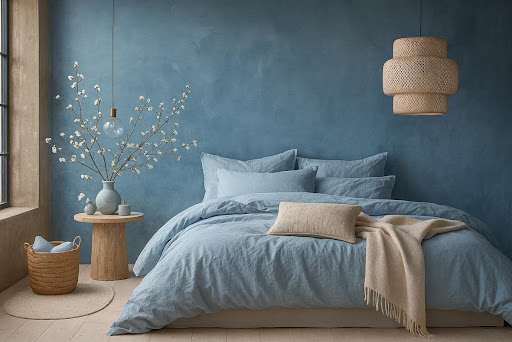
Smooth paint suits rooms where a calm, uniform backdrop is the goal. Colour reads cleanly across the whole surface, which makes it the better choice for bedrooms, studies, and minimalist interiors. It also lets furniture, artwork, and architectural details carry the visual interest.
A finish made with wall texture paint changes the way light behaves. Raised patterns catch illumination and cast tiny shadows, so a textured wall shifts in tone through the day. A feature wall behind a bed or fireplace can look layered and substantial without any added decoration. Heavily patterned finishes, though, can overwhelm a small room, and a busy texture beside bold furniture tends to compete rather than complement.
Hiding Flaws
This is where texture earns much of its reputation. Hairline cracks, uneven patching, and the faint ridges left by poorly finished drywall are difficult to disguise under regular paint, especially in glossier sheens. A textured coating breaks up reflected light and draws the eye away from minor imperfections. For older homes with tired walls, it can save a considerable amount of repair work.
The limit is severity. Texture paint will mask cosmetic irregularities, but it will not fix damp, crumbling plaster, or structural cracks. Applying it over those problems only delays the repair and makes it harder to carry out later.
Cost and Application
Regular paint wins on price and simplicity. A standard roller job is within reach of most homeowners, and the materials are inexpensive. Texture products cost more per litre, cover less area, and often call for specialised tools or a skilled applicator. Patterns such as swirls or knockdown finishes are hard to keep consistent across a large wall, and mistakes are difficult to correct once the compound begins to set.
Labour is the larger expense. A professional painter may charge noticeably more for textured work because of the time and technique involved, so budgets should account for that before the decision is made.
Maintenance and Durability
Smooth walls are easy to look after. Scuffs, fingerprints, and splashes can be wiped away, particularly with washable or satin finishes. Textured surfaces are tougher in one respect: they hide marks well and resist visible wear in busy hallways or children’s rooms. Yet the same grooves that conceal scuffs also trap dust, grease, and cooking residue. Cleaning requires a brush or a vacuum attachment, and kitchens are rarely a sensible place for a deep pattern.
Durability depends on the product as much as the type. Quality exterior textured coatings often outlast ordinary paint because they are thicker and more resistant to weather and hairline cracking. Indoors, the gap is smaller.
The Cost of Changing Your Mind
Redecorating is where regular paint proves its flexibility. A new colour needs only a fresh coat. Textured walls are another matter. Covering the pattern means skim coating, sanding, or scraping, all of which are messy and time consuming. Anyone who changes decor often should think carefully before committing a whole room to texture.
Choosing the Right Option
The decision usually comes down to the condition of the wall and the purpose of the room. Regular paint is the practical choice for living areas, bedrooms, kitchens, and bathrooms, where cleanliness, colour accuracy, and easy updates matter most. Texture paint makes more sense on feature walls, in entryways, on exterior surfaces, and anywhere imperfect plaster needs to be disguised rather than rebuilt. Homeowners unsure how much repair a surface needs before either finish goes on can find practical preparation and repair advice in Bob Vila’s walls and ceilings guides.
Many designers combine the two. A single textured wall set against smooth neighbours provides contrast without the drawbacks of treating an entire home the same way.
Neither finish is better in every situation. A smooth coat offers cost control and flexibility, while texture brings depth and forgiveness. Measured against the actual wall, the budget, and the way the room is used, one of them will usually make the stronger case.