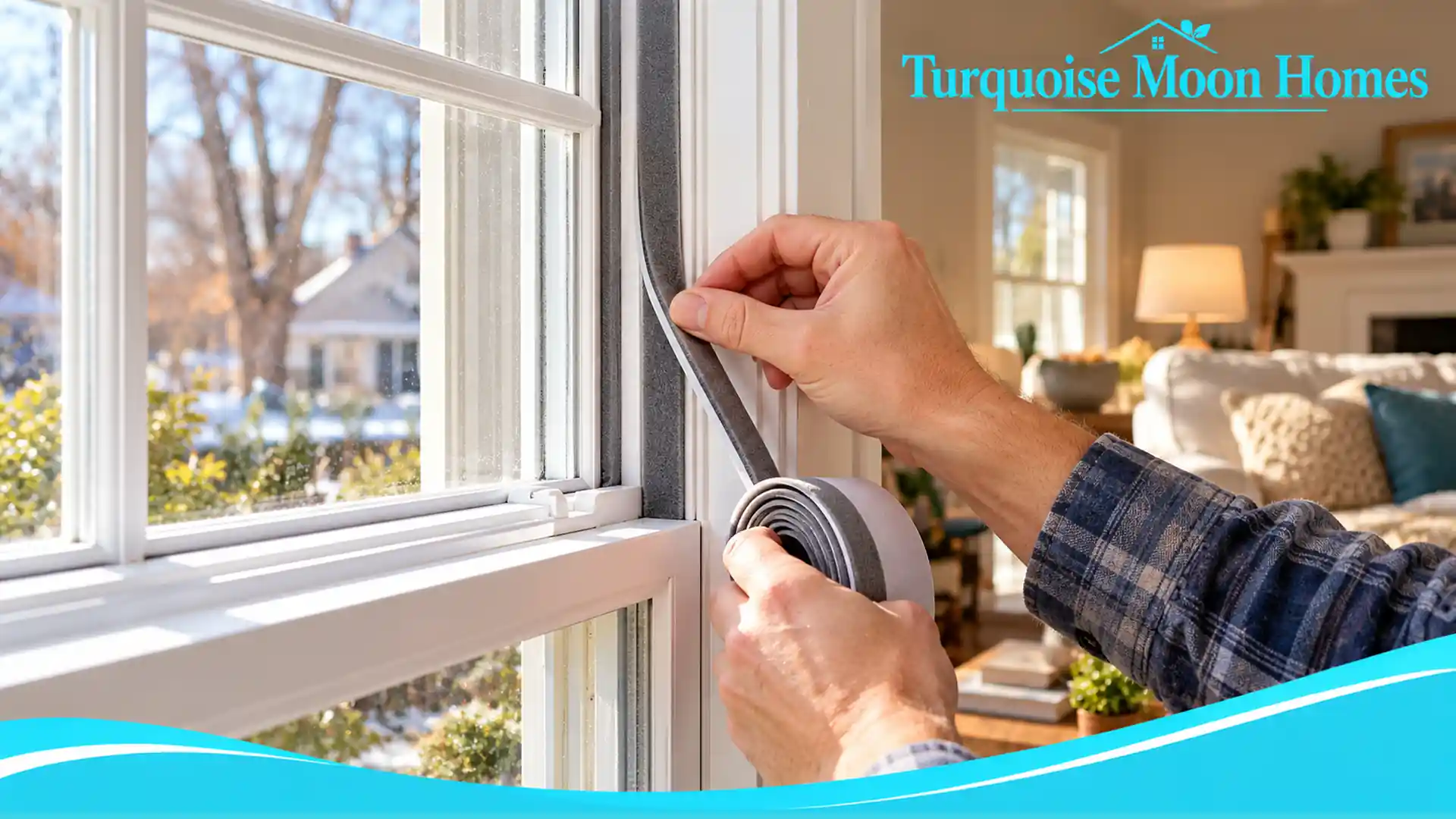
The best window weatherstripping types depend on how your window opens, where the air leaks, and how much space the seal must fill. Foam tape can suit some simple gaps, while V-strip, bulb, pile, and other gaskets may work better on moving sash parts. A thicker strip is not automatically a better seal.
A cold draft near the couch can make a whole room feel uncomfortable, even when the thermostat says the temperature is fine. The fix may be a modest strip of material, but choosing the wrong one can leave the window hard to close.
In this article, we will identify common leak points, compare seal styles, explain how to size and install them, and help you decide when weatherstripping is not the right repair.
Find the Air Leak Before Buying a Roll of Tape
Start with a closed, latched window on a windy day. Feel around the meeting rail, side tracks, and the point where the sash meets the frame. A thin tissue can help show a moving draft without requiring you to take the window apart.
Look for flattened old seals, visible gaps, dirt trails, and a sash that no longer sits squarely. Check the lock too. Some windows pull the sash tightly against the weather seal only when the latch is fully engaged.
The ENERGY STAR guide to finding air leaks describes simple window and door checks, including a paper test. If paper slips out very easily from a closed edge, that area may not be sealing well.
Do not automatically seal every opening you see. Window drainage holes and designed weep paths let water escape. Covering them can trap rain inside the frame and create a worse problem than the original draft.
Foam Tape: Easy to Fit but Easy to Overdo
Adhesive-backed foam tape is common because it is inexpensive, flexible, and simple to cut with scissors. It can work on clean, dry, flat contact surfaces where a sash closes against a stop with enough room for light compression.
The catch is thickness. A chunky strip may stop a draft but prevent the lock from engaging. A very thin strip may not touch the opposing surface at all. Measure the gap at several points before choosing a profile.
Foam can also flatten over time, especially at a frequently used window. Adhesive may fail on dusty paint or a damp surface. Treat it as a practical option with a finite service life, not a permanent repair for a warped frame.
For an older window with uneven contact, test a short piece in an inconspicuous location first. Close and latch the window gently. If the sash bows, sticks, or needs force, choose a different thickness or type.
V-Strip and Spring Seals for Narrow Moving Gaps
V-strip, sometimes called tension seal, is folded into a springy shape. One side attaches to the frame or sash while the other presses against the moving surface. It is useful where the gap is narrow and the window needs to slide or close normally.
Plastic and metal versions behave differently. Flexible plastic is easy to trim, while some metal tension seals are durable but take more care to fit. The best choice depends on the window design and whether the strip will rub during operation.
Placement matters more than the amount of material used. A strip positioned where the sash catches can peel away or jam the window. Check the manufacturer’s diagram for the exact contact point and direction of the folded edge.
If your window already has a shaped factory gasket, a generic V-strip may not be an improvement. Matching the original seal profile is often neater and less likely to interfere with the sash.
Bulb, Tubular, and Compression Gaskets
Bulb seals have a rounded, hollow or solid profile that compresses when a window closes. They can be effective at a designed contact edge, particularly where a frame has a channel or stop intended for that shape.
Some are adhesive-backed, while others slide into a groove. A groove-mounted replacement is usually preferable when the window was built for one. It avoids stacking new adhesive on top of worn rubber and preserves the intended fit.
Compression is the key. The bulb should press enough to close the air path without pushing the sash out of alignment. If the lock needs excessive force, the gasket may be too large or installed in the wrong place.
Measure the original profile, not just the visible width of the gap. A small difference in the stem or base can prevent the replacement from seating properly. Bring a clean sample or a clear photo to the supplier if the brand is unknown.
Pile Weatherstripping for Sliding Window Tracks
Pile seals use dense fibers attached to a narrow backing strip. They are common in sliding windows and some sliding doors because the fibers can make contact while allowing the moving panel to travel along its track.
When pile wears down, you may notice a breeze near the meeting stile or see daylight at the edge. Dirt can also mat the fibers, making a once-effective seal less useful. Cleaning the track is a sensible first step.
Replacement pile must match the slot width, pile height, and sometimes the fin style. A taller pile is not always better. Too much friction can make a window hard to open, and a loose base may slide out of the channel.
Take care not to disturb rollers or hardware when replacing a sliding-window seal. If the panel has dropped or the track is damaged, fix the alignment problem first or the new weatherstripping will wear unevenly.
Which Seal Works Best for Each Window Style?
Double-hung windows often have contact points at the meeting rail and along the sash tracks. Their seals must allow both panels to move. A product that works at the top stop may be unsuitable for the sliding side channel.
Casement and awning windows close against a frame, so they often rely on compression gaskets. If a corner leaks, inspect the latch and hinges before adding extra tape. A poorly adjusted sash may fail to press against an otherwise healthy seal.
Sliding windows may need replacement pile or a manufacturer-specific insert. Older wood windows can use tension seals in appropriate narrow gaps, but swelling, loose stops, or damaged paint may need attention first.
The U.S. Department of Energy’s air-sealing guidance makes an important distinction: weatherstripping seals moving parts, while caulk is used for stationary cracks. That helps avoid sealing a window shut by mistake.
How to Measure the Gap and Plan the Installation
Measure the length of each contact edge and add a little spare material for trimming and mistakes. More importantly, check the depth and width of the gap at the top, middle, and bottom. Uneven measurements can reveal a sash-alignment issue.
Before removing an old seal, take photos showing where it sits and how the corners meet. A matching replacement is easier to install when you can see the original path. Clean away dust and loose adhesive without scratching the frame.
Follow the product’s temperature, cleaning, and drying instructions. Many adhesives bond poorly to cold, wet, oily, or chalky surfaces. Do not stretch foam tape as you install it; stretched material can shrink back and open corner gaps later.
Install a short trial section first, then open, close, and latch the window. Once it moves normally, continue around the appropriate contact edges. Avoid covering locks, weep holes, ventilation features, or emergency escape functions.
When Weatherstripping Will Not Solve the Problem
A draft may come from the space between the window frame and the wall rather than the moving sash. That area may need carefully chosen caulk or other air-sealing work, not another gasket inside the window track.
Condensation between sealed glass panes is another separate issue. Weatherstripping cannot restore a failed insulated-glass seal. Likewise, soft wood, cracked frames, or water stains call for an inspection of the surrounding assembly.
If the sash is badly out of square, hinges are loose, or a latch no longer engages, hardware repair may be needed before air sealing. Adding thicker material to hide the problem can put stress on the window and shorten the seal’s life.
Older painted windows may also have lead-paint concerns. Avoid sanding or disturbing unknown old coatings without checking appropriate lead-safe practices. For extensive repairs, a qualified window professional can evaluate the frame and its installation.
Make the Finished Seal Last Longer
After installation, open and close the window several times. Look for strips that roll, fold, or peel away. Check whether the latch catches without extra force and whether the sash still slides freely through its full travel.
Inspect the seals when you clean windows in spring and fall. Wipe tracks gently, remove grit, and watch for compressed foam or torn corners. A small repair is easier than waiting until a cold snap makes the room uncomfortable.
Keep spare pieces of the chosen profile and a note of the size. When one section wears out, you can match it without guessing. That is especially helpful for unusual pile and bulb gaskets.
Remember that air sealing works best as part of a wider comfort plan. A drafty attic hatch, unsealed trim joint, or poorly insulated wall can affect the room too. Fix the actual leak path rather than expecting one window strip to change everything.
Final Thoughts: Match the Seal to the Movement
Choosing among window weatherstripping types becomes easier when you identify the leak, the window’s movement, and the contact surface. Foam, V-strip, pile, and compression seals each have a place, but none is a universal fix.
Buy a small sample when possible, test the latch and sash, and protect the window’s drainage paths. A good seal should make the room more comfortable without making the window harder or less safe to use.
Frequently Asked Questions
Can I add weatherstripping without removing the window?
Often, yes. Some adhesive foam and tension seals can be fitted with the sash in place. Channel-mounted pile or specialty gaskets may require access to parts that are easier to reach after partial disassembly.
Why does my window still feel drafty after new tape?
The leak may be at another edge, the tape may be too thin, or the sash may not close squarely. Air may also enter around the stationary frame-to-wall joint instead of the moving sash.
Is thicker weatherstripping always better?
No. Too much material can jam a sliding window, prevent a latch from closing, or push a sash out of alignment. Choose the size that compresses correctly for the actual gap.
Should I use caulk instead of weatherstripping?
Use caulk for appropriate stationary joints and weatherstripping for moving contact points. Do not caulk a working sash shut or block designed drainage openings.
You may also read: Window Shades for Privacy and Light: Choose the Right Fit.
