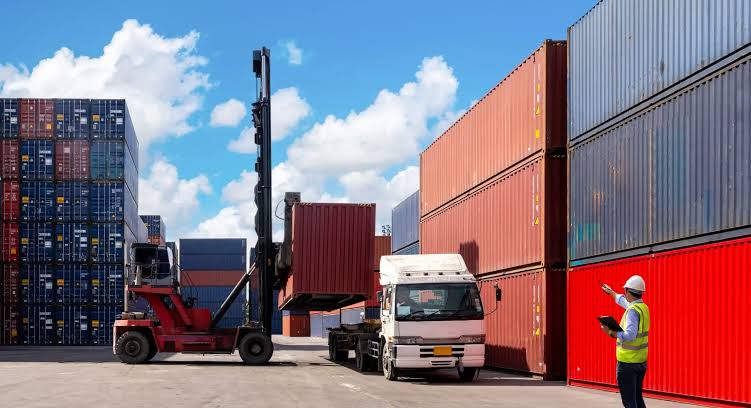
Moving expensive goods across global supply chains involves far more than loading products onto trucks, ships, or airplanes. A single shipment of luxury furniture, valuable artwork, advanced electronics, or specialized equipment can represent a significant financial investment. Even minor transportation mistakes can result in costly damage, delivery delays, or disruptions to business operations.
For companies that depend on premium products, shipping reliability is essential. Hotels, resorts, luxury retailers, and commercial developers often operate under strict schedules that leave little room for unexpected setbacks. A delayed shipment of custom furniture or damaged electronic equipment can affect an entire project.
As global supply chains become more interconnected, businesses must find ways to protect valuable shipments while maintaining efficient transportation schedules. This requires careful freight coordination, secure storage facilities, specialized packaging, and technology that provides greater visibility throughout the shipping process.
Why High-Value Shipments Require Specialized Logistics
Not every product can be transported using standard freight procedures. High-value goods often have unique characteristics that make them more vulnerable to damage, theft, or environmental conditions during transportation.
Luxury furniture, for example, may feature delicate finishes, expensive fabrics, or unusual dimensions that require careful handling. Artwork can be particularly sensitive to temperature changes, humidity, and physical movement. Meanwhile, sophisticated electronics and industrial equipment may contain components that cannot tolerate excessive vibration or moisture.
These challenges become more complicated when shipments travel through multiple transportation networks.
A product manufactured overseas might move from a factory to a storage facility, travel by truck to a shipping port, cross international waters, and eventually reach a regional distribution center before arriving at its destination.
Every transfer introduces another opportunity for something to go wrong.
Businesses must therefore consider more than transportation costs when selecting shipping arrangements. They need logistics strategies that account for product sensitivity, handling requirements, shipment security, and delivery schedules.
Managing Specialized Freight and Transportation
Transporting expensive products requires coordination between manufacturers, freight carriers, warehouses, customs representatives, and distribution teams.
Without a structured transportation plan, valuable shipments may encounter unnecessary delays or handling risks.
Businesses often begin by identifying the most suitable freight method. Air transportation may provide faster delivery for urgent or highly sensitive products, while ocean freight can accommodate larger shipments at lower transportation costs. Ground transportation remains essential for connecting ports, airports, warehouses, and final delivery locations.
However, choosing the transportation method is only one part of the process.
Companies must also coordinate pickup schedules, manage storage requirements, and establish clear communication between different logistics partners.
Working with experienced providers such as NXTPoint Logistics can help businesses coordinate freight movement, warehousing, inventory management, and distribution activities. These services are particularly relevant when shipments involve specialized handling requirements or multiple delivery destinations.
Effective coordination also reduces unnecessary product movement. Instead of transferring valuable cargo repeatedly between facilities, businesses can develop transportation routes that minimize handling and streamline distribution.
The result is a more organized supply chain that supports shipment protection and operational efficiency.
The Importance of Protective Packaging
Packaging plays a critical role in transporting high-value goods safely.
Standard cardboard boxes and basic protective materials may be insufficient for fragile furniture, sensitive electronics, or valuable decorative items.
Businesses must evaluate the physical characteristics of each product before choosing packaging materials.
Heavy equipment may require custom wooden crates, reinforced pallets, or specialized mounting systems. Fragile glass furniture might need foam supports, protective corner guards, and shock-absorbing materials.
Artwork often requires additional precautions. Depending on the materials and value involved, companies may use custom crates, moisture barriers, and climate-controlled transportation arrangements.
Proper packaging also helps prevent damage caused by vibration and sudden movement.
During long-distance transportation, cargo may experience repeated handling, road vibrations, and changes in environmental conditions. Even when products are secured correctly, inadequate internal packaging can allow components to shift or collide.
Businesses can reduce these risks by conducting packaging assessments before shipment.
These assessments help determine whether products require additional cushioning, moisture protection, temperature monitoring, or specialized containers.
Although protective packaging adds an initial expense, it can reduce the likelihood of damage-related losses and replacement costs.
Secure Warehousing and Inventory Protection
Warehousing is another important consideration when transporting expensive products.
High-value shipments do not always move directly from manufacturers to their final destinations. They may remain in storage while businesses coordinate customs clearance, construction schedules, installation appointments, or regional distribution.
During these periods, products must remain protected.
Secure warehouses may use controlled access systems, surveillance cameras, inventory tracking software, and designated storage areas for sensitive goods.
Environmental controls can also be essential.
Wooden furniture, paintings, electronics, and certain industrial components may deteriorate when exposed to unsuitable temperatures or humidity levels.
For example, excessive moisture can damage wooden surfaces, while condensation may affect electronic components.
Warehousing teams must also maintain accurate inventory records.
When businesses receive shipments containing hundreds of expensive products, identifying individual items and documenting their condition becomes necessary for preventing losses.
Digital inventory management systems help warehouse personnel record incoming shipments, monitor storage locations, and verify outgoing deliveries.
These systems also make it easier to identify missing products or discrepancies before they create larger operational problems.
International Shipping and Customs Challenges
Global transportation adds another layer of complexity to high-value logistics.
Shipping products internationally involves customs requirements, import duties, documentation, and regulations that vary between countries.
Errors in shipping paperwork can delay valuable cargo at ports or border inspection facilities.
For businesses operating under strict deadlines, these delays can become especially expensive.
A luxury hotel preparing for its grand opening, for instance, may depend on imported furniture, lighting fixtures, and specialized equipment arriving within a specific timeframe.
If customs clearance takes longer than expected, installation schedules may need to change.
Companies can reduce these risks by preparing accurate commercial invoices, product classifications, packing lists, and other required documentation before shipping.
They must also understand restrictions that apply to certain products and materials.
Some artworks, antique furnishings, electronic devices, or specialized equipment may require additional permits or compliance checks.
International logistics planning should therefore begin well before the actual transportation date.
Establishing realistic delivery schedules and coordinating with knowledgeable customs professionals can help businesses anticipate potential complications.
How Technology Improves Shipment Visibility
Technology has changed how businesses monitor valuable products throughout transportation networks.
Traditional shipping processes often provided limited information between departure and delivery. Businesses sometimes had to contact multiple carriers or logistics representatives to determine where their products were located.
Modern tracking systems provide much greater visibility.
GPS technology, connected sensors, warehouse management software, and transportation management platforms can help companies monitor shipment movement and identify potential disruptions.
Some monitoring devices can also record environmental conditions.
For example, temperature and humidity sensors may help businesses determine whether sensitive products have been exposed to unsuitable storage or transportation conditions.
Shock sensors can provide additional information when fragile cargo experiences excessive movement.
These technologies do not eliminate transportation risks, but they can help businesses respond more quickly when problems occur.
If a shipment encounters an unexpected delay, logistics coordinators may be able to adjust delivery schedules or communicate with receiving teams before the disruption affects other operations.
Digital records also support accountability.
When companies can review shipment histories, handling events, and delivery confirmations, they gain useful information for investigating damage claims and improving future transportation procedures.
Why Hospitality Businesses Depend on Reliable Logistics
Hotels, resorts, and luxury hospitality developments provide clear examples of why high-value logistics matters.
These businesses regularly purchase expensive furniture, decorative fixtures, commercial kitchen equipment, entertainment systems, and specialized amenities.
Many products are manufactured by different suppliers and delivered from multiple locations.
Coordinating these shipments can become complicated, particularly during major construction or renovation projects.
A hotel may need hundreds of customized beds, upholstered chairs, lighting fixtures, and decorative pieces delivered according to an installation schedule.
Receiving everything too early can create storage problems. Receiving products too late can disrupt construction progress and delay guest room preparation.
Damage creates additional challenges.
Replacing custom furniture may take weeks or months, especially when the original manufacturer is located overseas.
Hospitality operators must therefore coordinate procurement, storage, delivery, and installation activities carefully.
Some projects benefit from centralized warehousing arrangements where products from different suppliers can be received, inspected, stored, and organized before final delivery.
This approach can help installation teams receive the correct products when specific rooms or facilities are ready.
Efficient logistics ultimately contributes to a smoother opening or renovation process while helping businesses protect their investment in premium furnishings and equipment.
Managing Transportation Risks and Insurance
Even with careful planning, transporting valuable goods involves unavoidable risks.
Traffic accidents, severe weather, cargo theft, improper handling, and equipment failures can affect shipments unexpectedly.
Businesses should therefore consider how to manage potential financial losses before transportation begins.
Cargo insurance is one important component of this strategy.
Depending on the policy, insurance may provide financial protection against specified forms of damage, theft, or loss during transportation.
However, coverage conditions vary.
Companies must review policy exclusions, valuation requirements, deductibles, and documentation procedures to understand the protection available.
Accurate product valuation is particularly important when transporting artwork, antiques, or custom-made goods.
Businesses should also maintain photographs, condition reports, invoices, and shipment documentation.
These records can help establish the condition and value of products before transportation.
Insurance should complement preventive measures rather than replace them. Strong packaging, secure storage, reliable transportation partners, and careful handling remain essential for reducing the likelihood of damage.
Workforce Safety and Wellbeing in Logistics
Behind every successful shipment is a workforce responsible for coordinating and handling complex transportation operations.
Freight drivers, warehouse personnel, equipment operators, and logistics coordinators often manage demanding schedules and physically challenging responsibilities.
Long working hours, delivery pressures, and unexpected disruptions can contribute to fatigue and workplace stress.
Businesses should address these challenges through realistic scheduling, proper safety training, adequate staffing, and access to employee support resources.
For workers experiencing more complex mental health or substance use challenges, information about specialized services such as co-occurring disorders treatment may also be relevant.
Supporting employee wellbeing helps businesses maintain a safer working environment while encouraging more responsible transportation and warehouse operations.
Building More Resilient High-Value Supply Chains
The challenges of transporting expensive goods will continue as businesses expand internationally and customers expect faster, more reliable deliveries.
Companies cannot eliminate every risk associated with global transportation. However, they can improve their ability to manage those risks through better planning, stronger logistics partnerships, and appropriate technology.
Protective packaging reduces the likelihood of physical damage. Secure warehousing helps safeguard products between transportation stages. Digital tracking systems improve visibility, while coordinated freight planning supports reliable delivery schedules.
For hospitality businesses, retailers, manufacturers, and other organizations handling valuable products, these improvements can protect significant financial investments.
The most effective logistics strategies consider the entire shipment journey rather than focusing exclusively on transportation costs.
As global supply chains become more complex, businesses should review their freight arrangements, evaluate potential vulnerabilities, and invest in logistics processes that protect valuable cargo from origin to final destination.