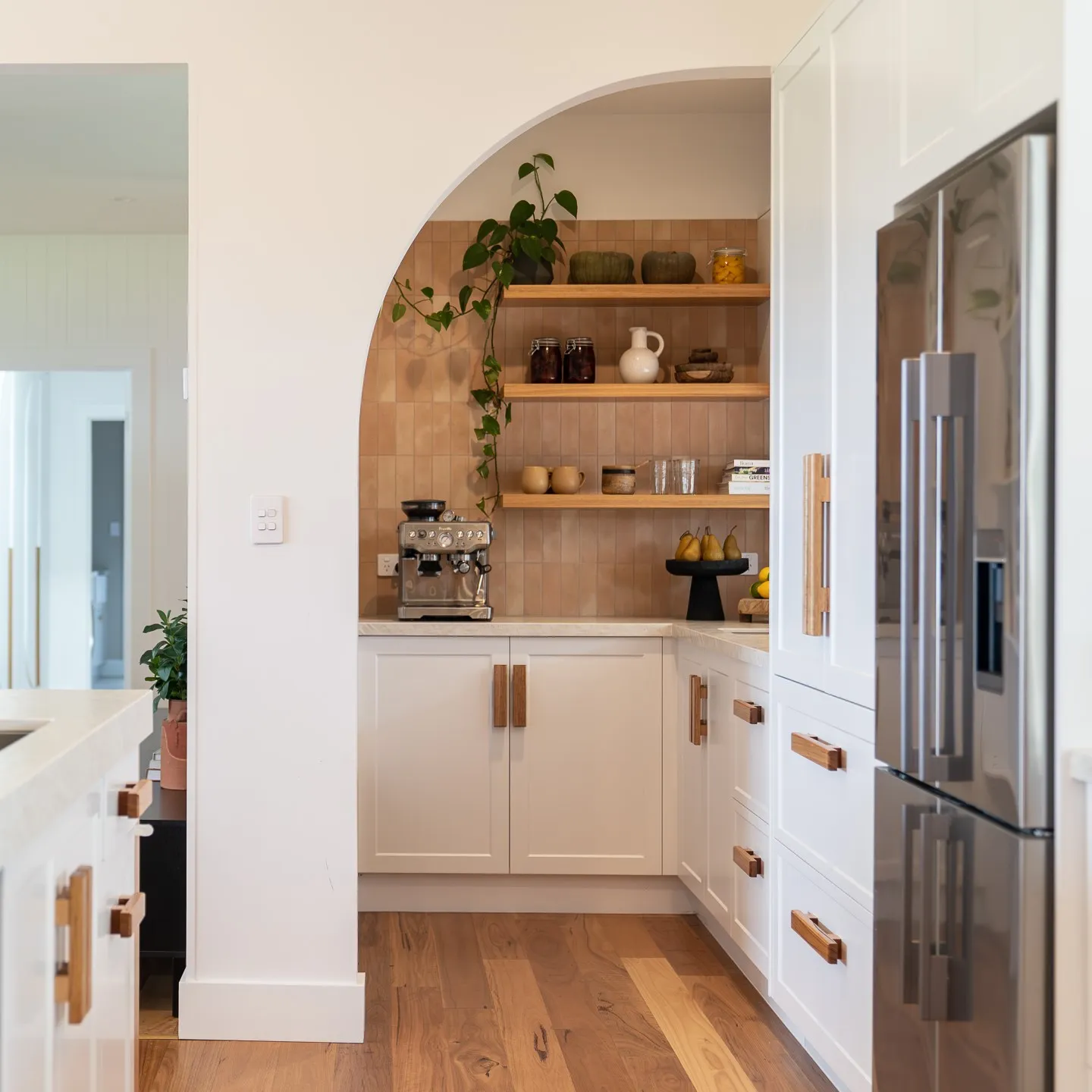
When the pasta hides behind cereal and the last can of beans falls out each time you open a cabinet, the kitchen does not necessarily need more square footage. Small apartment pantry storage is often a question of access, shelf depth, and what deserves the easiest reach.
Start by measuring the usable openings and sorting food by how you cook. Then choose only the bins, shelves, or containers that solve a specific problem.
A pantry that is easy to refill on a tired Tuesday beats one that looks perfect for a single photograph.
Start With the Groceries You Actually Bring Home
A narrow apartment kitchen may have two shallow cabinets, a slice of wall, and nowhere obvious for cereal boxes. The tempting response is to order a tall organizer. But the right storage begins with what you buy and how often you cook.
Small apartment pantry storage works when everyday foods are visible, heavier items are easy to lift, and the floor remains clear. A system that looks beautiful in a photo but requires moving six bins to reach pasta will not survive a busy week.
Before buying containers, empty one shelf at a time. Group breakfast foods, dinner staples, snacks, and backup supplies. Count how many packages need space now, not how many a social-media pantry makeover suggests you should own.
Measure the Shelf Opening, Not Just the Cabinet Width
Cabinet doors, hinges, and face frames reduce usable access. A bin that fits the inside width may still be too wide to pass through the opening or too tall to slide beneath a fixed shelf.
Measure clear width, depth, and height at the front and back. Note outlets, plumbing, and anything that prevents a drawer from opening fully. Write the dimensions on a note before shopping.
Leave room for your hand to reach around a container. A pantry that uses every fraction of an inch can be surprisingly frustrating because food packages need to be lifted out, not simply displayed.
Put the Daily Breakfast Shelf at Eye Level
Think about the first ten minutes of a weekday morning. Coffee, oats, bread, and lunch snacks should not require kneeling or a step stool. Place the items used most often in the easiest reach zone.
Backups can go higher or lower, provided the shelf can support the weight. Put heavy cans and bottles on lower sturdy shelves so no one has to pull them down from overhead.
If two people share the kitchen, make a shelf that both can reach. That may be less photogenic than perfectly symmetrical jars, but it saves small frustrations every single day.
Use Pull-Out Bins Where Deep Shelves Hide Food
A deep cabinet often has a front row of cereal and a forgotten row of rice or canned beans behind it. One pull-out bin can make that back row usable without installing permanent hardware.
Choose a bin with a low enough side to see labels and a handle that does not catch on the door. Test the full bin with realistic weight. Thin plastic may bow under cans, while a heavy wooden drawer may waste valuable capacity.
Label the front by category rather than a single ingredient. ‘Dinner staples’ still makes sense when you change from rice to couscous. The point is to keep the location predictable without locking the household into a rigid inventory.
A Narrow Rolling Cart Is Not Always the Answer
The gap beside a refrigerator looks like free pantry space until the door swings open or a baseboard heater warms the wall. Measure clearance with every nearby door open before placing a cart there.
A rolling unit needs a smooth floor, stable shelves, and a safe route when pulled out. Tall, top-heavy carts can tip if loaded with cans above eye level. Check weight limits and keep the heaviest food low.
If the gap is beside a hot appliance or in direct sun, choose another location for foods that need a cool, dry place. Storage capacity does not help if the location shortens the quality of what you store.
Keep Shelf-Stable Foods Away From Heat and Damp
Food safety belongs in the layout plan. A cabinet over the stove may be convenient for spices, but sustained heat is not ideal for many pantry staples. The damp cabinet beneath a sink is another poor place for food.
The USDA Food Safety and Inspection Service recommends keeping shelf-stable products in a cool, dry place and checking cans for bulging, leaks, heavy rust, or deep dents. Follow package instructions when a product requires refrigeration.
Our under-sink cabinet organization guide is useful for cleaning supplies and access to pipes, not for turning a leak-prone cabinet into food storage. Keep those jobs separate.
Choose Containers for Function, Not a Matching Photo
Clear containers can make rice or pasta easier to see, but decanting every snack creates extra work and can separate food from its original instructions. Keep labels, dates, and allergen information when transferring products.
Airtight containers are especially helpful for dry staples that need protection from pests and moisture. Pick sizes based on the package you usually buy. An oversized jar filled halfway wastes as much space as the bag it replaced.
Do not spend the whole budget on matching lids. A simple basket for sealed snack packets, a tray for oils, and a few well-sized dry-goods containers may solve the actual problem for less money.
Turn a Short Wall Into a Useful Pantry Zone
A blank wall near the kitchen can hold shallow shelves or a low cabinet without taking over the room. The trick is depth: a shelf that projects too far into a walkway can make a small apartment feel smaller.
Check the wall structure and any rental restrictions before drilling. Freestanding shelves should be stable and secured according to the manufacturer’s instructions, especially where children or pets can reach them.
The U.S. Consumer Product Safety Commission urges households to anchor furniture such as bookcases and keep heavier items on lower shelves. A tall pantry unit needs the same thoughtful approach as any other storage furniture.
Make a Two-Foot Pantry Work for Real Meals
Imagine a cabinet only two feet wide. Reserve one accessible shelf for breakfast and snacks, another for rice, pasta, and canned dinner ingredients, and a lower zone for heavier jars or backup supplies.
Put frequently used small packets in one open bin so they do not tumble behind larger boxes. A compact turntable may help with short bottles, but test it first: a spinning tray in a tight square cabinet can waste corner space.
Use the back of a cabinet door only for lightweight items and with hardware rated for the door. A heavy rack can strain hinges and prevent the door from closing flush.
Do Not Let Pantry Storage Steal the Dining Area
A rolling rack that blocks the chair pull-out may solve one problem and create another. Test the table with someone seated before assigning nearby wall or floor space to food storage.
Sometimes a low sideboard with closed doors works better than an open tower. It can hold dry goods while doubling as a surface for serving, but keep food away from heat sources and clean up spills quickly.
Our small dining nook ideas show how a tight eating area needs clear chair space. A good pantry arrangement should support meals, not make sitting down harder.
Build a Restocking Habit That Takes Minutes
Put newer duplicates behind older packages so food gets used in a sensible order. Check labels rather than relying only on the purchase date; different products have different storage directions.
Once a week, look for open bags, crumbs, and items hidden at the back. A quick wipe and a small grocery note prevent a cramped pantry from filling with three half-used bags of the same ingredient.
Keep a little empty space. Groceries vary from week to week, and a shelf packed to the edge cannot absorb a bulk purchase without a complete reshuffle.
When to Stop Buying Organizers
If a cabinet remains impossible to use after measuring and grouping, the problem may be the cabinet layout itself. Adjustable shelves, a better door hinge, or a single pull-out may help more than another stack of baskets.
For renters, choose removable bins and freestanding solutions that do not damage walls. Ask permission before installing permanent hardware, and keep exits and shared circulation routes clear.
The goal is not to own a miniature grocery store. It is to find ingredients without digging, store them safely, and put them away quickly after shopping.
Final Thoughts
The most useful pantry is not the fullest one. A little breathing room lets you see what is left, avoid duplicate purchases, and put dinner together without hunting through bags.
Measure first, protect food from heat and moisture, and keep heavy items where they are easy to lift. In a small kitchen, that quiet everyday convenience is the real luxury.
