Have you ever seen a cozy seating area next to a kitchen and wondered why it has its own name? It may look like a small living space, but its roots go back hundreds of years. Today, the same idea can make a busy home feel more relaxed and welcoming.
A keeping room is a casual place where people can sit, talk, or spend time together near the kitchen. It was once a practical part of early American homes, where staying close to the fire meant staying warm. Modern versions focus more on comfort, family time, and making good use of space.
In this guide, you’ll learn where this charming feature came from, how it differs from other living areas, and what makes it useful today. You’ll also find simple ways to plan one that fits your home. Let’s explore why this old idea still feels right for modern life.
What Is a Keeping Room?
A keeping room is a small, informal sitting area next to or open to the kitchen. It gives family members and guests a comfortable place to relax while someone prepares food. Unlike a formal living room, it is designed for everyday use and easy conversation.
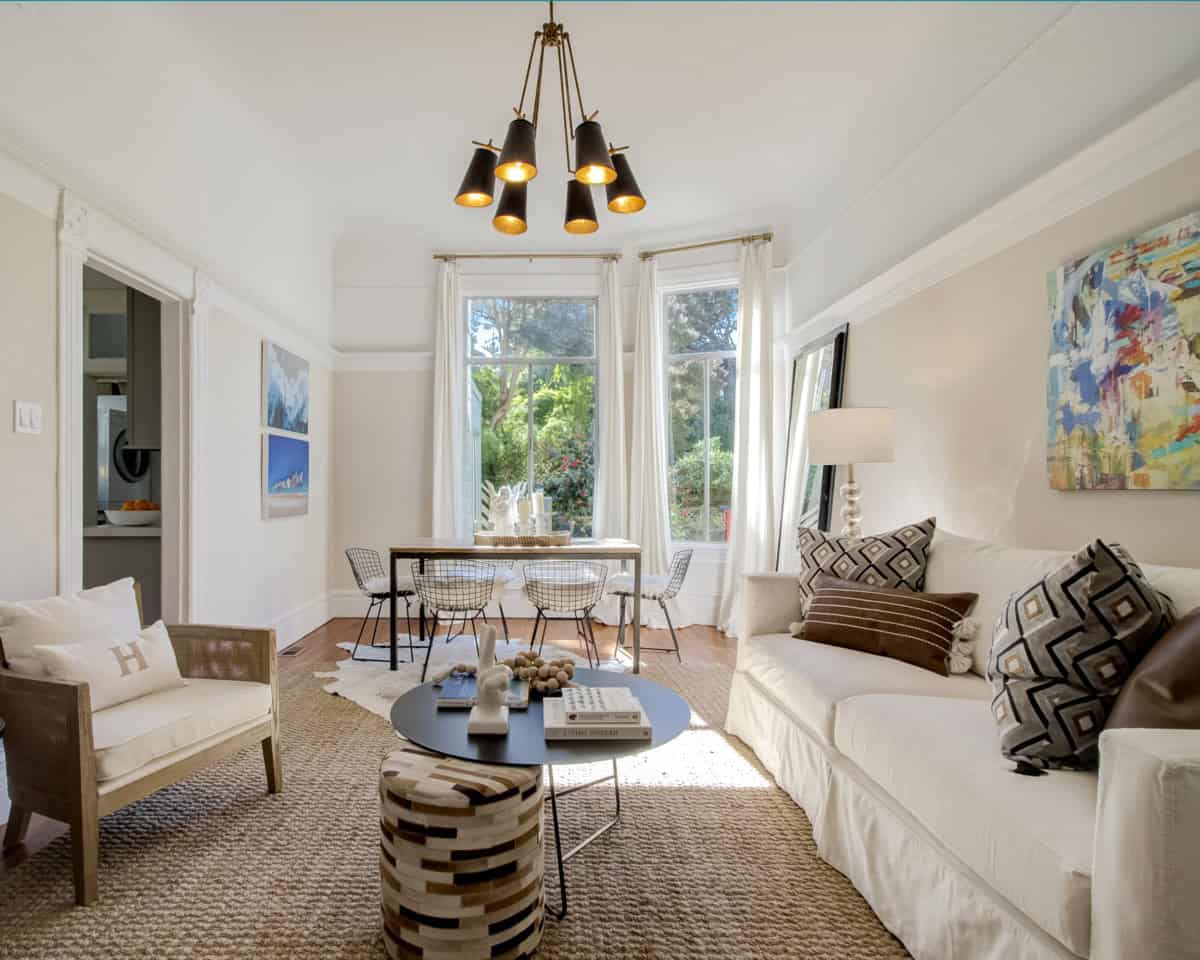
It may have a loveseat, a pair of chairs, a small table, or a fireplace. Some homes have a separate space with a clear doorway. Others use furniture and rugs to mark off a cozy corner within an open floor plan.
The main feature is its close connection to the kitchen. People can spend time together without crowding the food preparation area.
How This Cozy Space Became Part of American Homes
Long before central heating, the hearth was an important part of daily life. In colder months, families often gathered near the fire for warmth. They could talk, sew, read, or complete household tasks in the same shared area.
The Getty Research Institute’s Art & Architecture Thesaurus describes these spaces as secondary living areas beside or open to kitchens in colonial American houses, especially in the Northeast. Some families also slept near the hearth during cold weather.
The design reflected a simple need. A warm, shared place made daily life easier when heating every part of a house was difficult.
As home heating improved, families no longer needed to gather near a single fire. Yet the social purpose remained useful. Having a place to sit near cooking and meal preparation still made sense.
Why Homeowners Are Bringing Back the Idea
Today’s kitchens often serve as more than places to prepare meals. Children finish homework at the counter. Friends stop by for coffee. Family members gather while dinner is cooking.
A nearby seating area gives everyone a spot to settle without standing in the cook’s way.
The real benefit is connection. Someone can prepare dinner while others read, chat, or unwind nearby. The arrangement makes everyday moments feel shared, even when people are doing different things.
It can also help a large open floor plan feel less empty. A small seating group creates a defined purpose for space that might otherwise be hard to furnish.
Keeping Room vs. Living Room: What Is the Difference?
The biggest difference is how each space is used.
A living room is often the main place for watching television, entertaining, and relaxing. It may be larger, more private, or farther from the kitchen.
A keeping room has a simpler job. It supports the daily activity happening around the cooking area. Seating is usually arranged for conversation rather than focused on a large TV.
The two spaces can share a similar style, but they do not need the same furniture or layout.
In a smaller house, one well-planned family area may already serve both purposes. Adding another seating zone only makes sense when it fills a real need.
Choosing the Best Spot Near Your Kitchen
Location matters more than square footage.
An ideal spot is close enough for easy conversation but far enough from the stove, refrigerator, and sink to avoid blocking daily tasks.
Start by watching how people move through your kitchen. Notice where someone opens the refrigerator, carries dishes, or walks toward the dining table.
Keep those routes clear before placing furniture.
A corner beside a window can work beautifully. Natural light makes the area pleasant during the day, while a lamp adds warmth after sunset.
If your house has a fireplace nearby, it can become a natural focal point. However, you do not need one to create the same inviting feel.
Furniture That Makes the Space Comfortable
A keeping room works best when it feels easy to use.
Choose furniture based on how many people will sit there and what they will do.
A small sofa works well for reading or relaxing. Two comfortable chairs may be better for conversation in a narrow space.
Add a side table for drinks, glasses, or books. A washable rug can help define the seating area without putting up walls.
Avoid filling the space with too many pieces. You should be able to walk around the furniture without turning sideways or moving chairs.
For families with young children or pets, easy-clean upholstery can make daily care much simpler.
The goal is not to create a showroom. It is to make a place people want to use.
How to Make It Feel Connected Without Losing Its Identity
A well-designed seating nook should feel like part of the kitchen, not an unrelated room.
You can create that connection through shared colors, materials, or finishes.
For example, wood tones from the kitchen cabinets may appear in a nearby coffee table. Soft blue or green accents can carry across both spaces through pillows, artwork, or fabric.
Lighting also helps establish a separate mood. The kitchen needs bright task lighting, while the sitting area often feels better with a softer lamp or dimmable fixture.
You do not have to match everything. Repeating a few thoughtful details creates harmony while allowing each area to serve its own purpose.
Does a Keeping Room Work in a Small House?
Yes, but it does not need to be a separate room.
A compact home may have enough space for a comfortable chair and small table beside the kitchen. That can provide a useful place to read, enjoy coffee, or talk without adding extra walls.
The key is protecting floor space.
Choose furniture with a light visual profile, such as chairs with open legs or a slim loveseat. Use wall-mounted shelves where suitable instead of bulky storage units.
Avoid forcing a seating area into a walkway. If a dining table already provides the same function, another furniture group may make the home feel cramped.
A useful design should improve the way you live, not simply fill an empty corner.
What to Consider Before Adding One
Before buying furniture or changing your layout, think about your household’s daily routine.
Do people often gather while meals are being prepared? Would a quiet reading spot get regular use? Is there enough space to sit without blocking doors or cabinets?
These questions help you decide whether the idea suits your home.
Noise is worth considering, too. An open seating area will naturally share sounds from appliances and cooking. If someone needs a quiet place for work calls, a separate room may be more practical.
The Realtor.com guide to keeping rooms also explains the feature’s long history and its appeal in contemporary homes.
If you plan structural changes, review the layout with a qualified professional before removing walls or altering utilities.
Final Thoughts
The most appealing home features are often the ones that make ordinary life easier. A keeping room is a good example. Its original purpose was warmth and shared family time, but its modern value comes from comfort, connection, and convenience.
What makes this space special is not a certain style or expensive furniture. It is the chance to stay close to the heart of the home while enjoying a place of your own.
A comfortable chair, good light, and a thoughtful location may be all it takes to make an overlooked corner feel like everyone’s favorite spot.
Frequently Asked Questions
Does a keeping room need a fireplace?
No. Fireplaces were important in older homes because they provided heat. Today, the room can function perfectly well with standard heating and comfortable seating.
Can you put a television in this type of sitting area?
Yes. A small TV can work if it suits your family’s habits. However, placing the screen away from the main conversation area may help keep the space relaxed and social.
Is a keeping room the same as a breakfast nook?
No. A breakfast nook is mainly designed for eating, usually with a table and chairs. A keeping room is focused on sitting, relaxing, and spending time together.
Can a home office double as this space?
It can, especially if the work involves reading or occasional laptop use. However, kitchen noise and nearby conversations may make it unsuitable for focused work or private meetings.
Will adding one increase my home’s resale value?
There is no guaranteed increase. Its appeal depends on the home’s layout, local buyer preferences, and whether the feature improves usable space. A practical, uncluttered design is generally more helpful than adding furniture to a crowded floor plan.
You may also read: Living Room Curtain Length: Make the Window Feel Just Right.
