To fix stripped screw holes in wood, you need to restore solid material around the screw threads. A loose cabinet hinge, door strike plate, or furniture bracket often has a hole that has grown too wide for the screw to grip. Small holes may be repaired with glued wood fibers, while larger or heavily loaded holes often need a properly fitted wooden dowel and a new pilot hole.
The right repair depends on what the screw is holding and how much force it takes. A decorative knob and a heavy entry-door hinge should not receive the same quick fix. Here is how to identify the damage, choose a repair that suits the load, and avoid making the hole worse.
Recognize the Difference Between a Loose Screw and a Stripped Hole
A screw that has simply backed out may tighten normally when turned by hand. A stripped hole feels different: the screw rotates but never becomes snug, or it pulls out with very little effort. The surrounding wood fibers have been crushed or torn away, so the threads no longer have enough material to bite.
Remove the screw and inspect it. If the threads are damaged, replacing the screw may solve part of the problem. If the screw is sound but the hole is enlarged, installing the same screw again will not restore the missing wood. Do not keep driving it harder with a power drill.
Look at the material, too. Solid wood, plywood, particleboard, and MDF behave differently. A repair that grips well in solid lumber may be less dependable in a crumbly cabinet panel. The material should influence both the filler and the expected load.
Choose the Repair by How Much Weight It Carries
For a small, lightly loaded wood screw, a glued wooden sliver or toothpick repair can restore grip. For a larger hole or a door hinge that sees repeated force, a dowel repair creates a more substantial new wood core. For certain furniture fittings, a manufacturer-approved insert or replacement part may be the better solution.
This Old House’s guide to loose hinge holes describes packing small holes with glued wood fibers and explains the importance of full glue contact. It is a useful method for suitable wood applications, not a universal substitute for structural fastening.
If the screw supports a stair handrail, structural bracket, ceiling-mounted item, or other safety-critical assembly, do not rely on an improvised filler. The connection may need a different fastener, backing, or professional evaluation. The goal is to restore the designed load path, not merely make a screw feel tight for a day.
Tools and Materials That Make the Job Cleaner
For most small repairs, gather a manual screwdriver, wood glue, clean wooden toothpicks or a fitted dowel, a utility knife, sandpaper, and a drill with suitable bits. Keep a pencil and tape measure nearby if the hardware must be repositioned. A clamp can help hold a repaired piece still while adhesive cures.
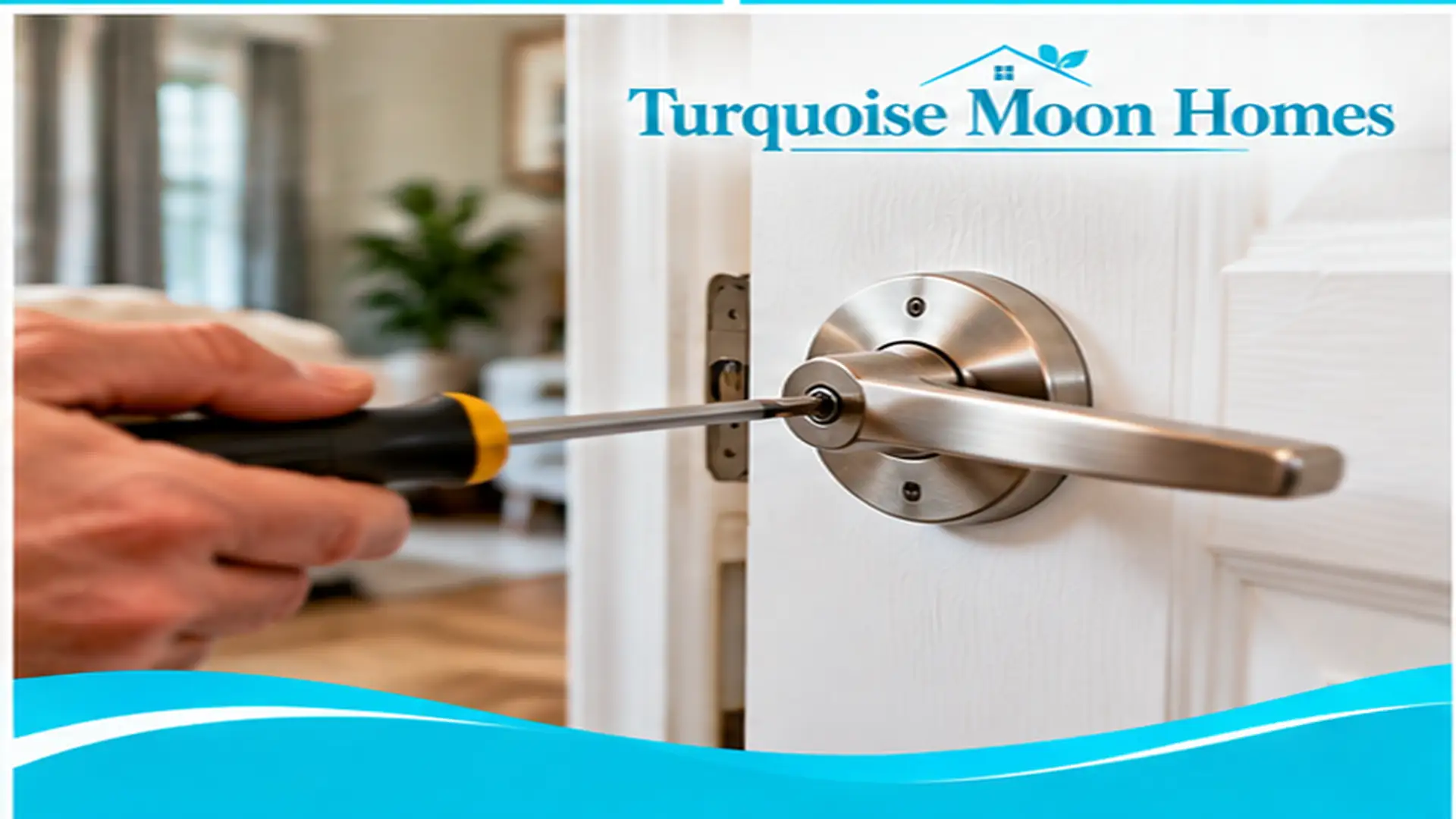
Use the correct screwdriver tip so you do not damage the screw head. A hand screwdriver offers more control for the final turns than a powerful drill. If you use a drill, begin slowly and stop before the head crushes the hardware or pulls the new wood fibers loose.
Check the adhesive label for its intended materials and cure time. A surface that feels dry is not always fully cured. Moving a heavily loaded hinge before the glue has set can undo an otherwise careful repair.
Small Holes: The Wood-Fiber and Glue Method
Remove the screw and clear loose dust from the hole. Dip clean wooden toothpicks or a slender wood sliver in suitable wood glue, then fit them into the hole so they contact the surrounding wood. Trim the material flush once it is positioned and allow the adhesive to cure as directed.
When the repair is ready, make a small pilot hole if needed and reinstall the screw carefully. The screw should tighten smoothly without requiring excessive force. If it spins again, stop. Repeating the same quick fill may enlarge the damaged area rather than improve it.
This method is convenient for a small cabinet pull or a lightly stressed fitting. It is less appropriate when the hole is wide, the wood is split, or the screw carries significant repeated load. A good repair matches the problem instead of using the same trick everywhere.
Larger Holes: Restore the Wood With a Dowel
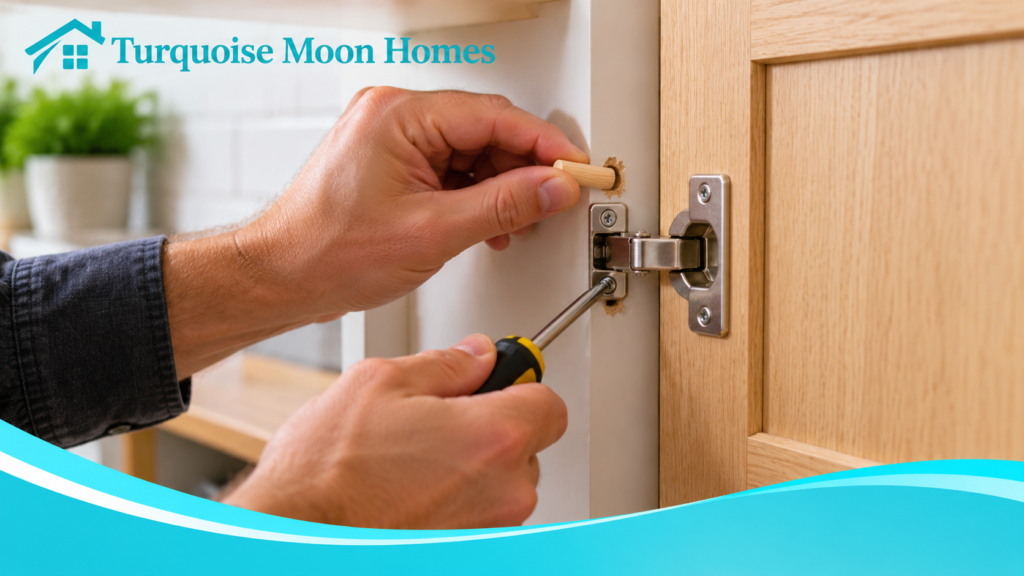
A dowel repair replaces the damaged inner wall of the hole with a solid plug. The damaged hole is drilled to a clean, controlled diameter, a matching wood dowel is glued in, and the surface is trimmed flush after curing. A new pilot hole can then be drilled in the correct location.
This Old House’s door-hinge repair guide
Choose the dowel and drill size to suit the damaged hole and the surrounding wood. Do not enlarge a narrow door jamb until little material remains around it. If the wood is cracked, rotten, or badly split, replacing or reinforcing the damaged section may be more reliable than plugging it.
Why Pilot Holes Matter After the Repair
Driving a screw into a fresh dowel without a suitable pilot hole can split the plug or push it sideways. A pilot hole guides the screw and reduces stress on the repaired wood. Its size depends on the screw’s shank, thread design, and the wood’s hardness.
Mark the center through the actual hardware when possible. That keeps the new hole aligned with the hinge or bracket rather than guessing from the old damage. Drill straight and only as deep as needed, taking care not to pass through a visible surface on the other side.
Finish tightening by hand. If the screw suddenly becomes easier to turn after feeling snug, you may have stripped the new repair. Back out and reassess rather than forcing another turn.
Cabinet Hinges Need a Different Look From Door Hinges
Cabinet doors are often mounted to engineered panels, and some use concealed European-style hinges with special screws or mounting plates. A wooden dowel can work in suitable material, but a badly crumbled particleboard edge may not provide enough sound material for a durable repair.
Before drilling, check whether the hinge plate has adjustable slots or whether a compatible repair plate is available. Some problems come from misalignment, not stripped threads. A repair plate can spread the load over a larger area, but it must fit the hinge system and cabinet construction.
Our guide to cabinet door hinge adjustment
Door Hinges: Think About the Weight of the Door
A solid-core door puts repeated force on its hinges every time it opens and closes. If the top hinge screws are loose, the door may sag, rub against the frame, or stop latching properly. Fixing the stripped hole can restore the connection, but only if the surrounding jamb and framing are sound.
Sometimes an appropriately specified longer screw can reach sound framing behind a jamb. That is not a license to use the longest screw in the toolbox. You need to know what lies behind the wood and avoid damaging wiring, plumbing, or other hidden components.
If the door is sticking, check the hinge alignment and the location of the rub before sanding the edge. Our article on sticking interior doors
What Not to Put in a Damaged Hole
Random plastic, paper, and soft filler may make a screw feel tight briefly without giving it lasting support. Ordinary wall filler is not the same as structural wood. Adhesives used outside their intended materials can also fail or make later repairs harder.
A larger screw is not always the right answer. It may split the wood, protrude through a cabinet panel, or fail to fit a hinge’s countersunk opening. Moving the screw to a new spot can work in some fittings, but only when the hardware still seats correctly and the new position has enough sound material.
Avoid using a powered driver at full torque for the final tightening. The few seconds saved can destroy the new threads you just worked to create. Controlled pressure and patience are part of the repair.
Check the Finished Connection Under Real Use
After the glue has cured and the hardware is reattached, test the fitting gradually. Open and close the cabinet or door several times. Look for movement around the screw head, a changing gap, or a hinge leaf lifting away from the wood.
For a light cabinet knob, a firm hand pull may be enough to reveal whether the connection is secure. For a heavy door, inspect the hinge while another person operates the door gently. Do not put your fingers between moving hinge leaves or force a door that binds.
If the connection loosens again, the original hole may be only one part of the problem. Excessive load, a misaligned hinge, damaged substrate, or poor hardware fit may need attention. A second failed repair is a reason to change the approach, not simply add more glue.
Final Thoughts
You can fix stripped screw holes in wood without replacing an entire cabinet or door in many everyday situations. The key is choosing a repair that restores real wood for the threads to grip, then drilling and tightening with care.
Use a small wood-fiber repair for suitable light-duty holes, a fitted dowel for more substantial damage, and professional help where the connection protects people or carries structural loads. A repair that stays firm is worth more than one that only looks finished.

Nike Carkarel
Nike Carkarel writes about home decor, interior design, and practical ways to make living spaces more beautiful and comfortable. At Turquoise Moon Homes, Nike shares ideas for decorating rooms, choosing furniture, improving home layouts, and making everyday spaces work better. With an interest in thoughtful design and simple home improvements, Nike helps readers find inspiration for homes that feel welcoming, stylish, and easy to live in.