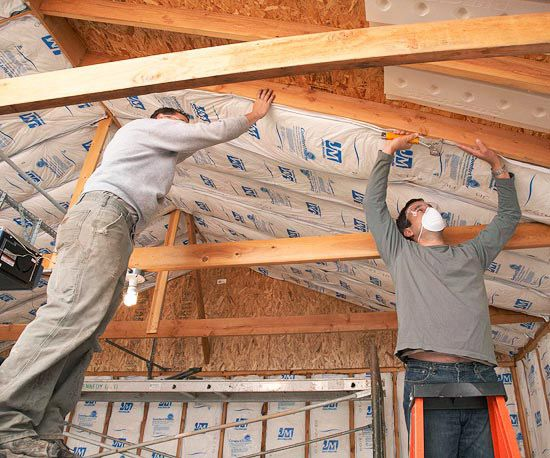
An attached garage can feel like an oven in July and a walk-in refrigerator in January. It is tempting to blame the broad metal door and cover it with foam panels. That can help in the right situation, but garage door insulation panels are only one part of the comfort puzzle. Gaps around the door, the walls shared with the house, and how the garage is used can matter just as much.
If you park a car and open the door several times a day, the temperature will still swing. If you use the garage as a workshop, laundry area, or hobby space, slowing heat transfer may make it more pleasant between openings. The goal is to choose a panel system that fits the door, does not interfere with its movement, and offers a realistic improvement rather than a dramatic energy-saving promise.
First Decide What You Want the Insulation to Change
Some homeowners want a garage that is less uncomfortable when they step inside. Others want to reduce noise from a rattling door, limit temperature extremes near stored items, or make a room above the garage feel more comfortable. Those are related goals, but they do not all have the same solution.
Insulating the door can reduce heat flow through its surface. It cannot seal a large gap under the door, stop exhaust fumes from entering the house, or fix missing insulation in a shared wall. If the bedroom above the garage is cold, the garage ceiling and its air barrier deserve attention. Our guide to insulating a floor above the garage explains why that separation is important.
Before shopping, spend a few minutes in the garage on a windy day. Notice daylight around the perimeter, gaps between panels, and whether the door closes evenly. Also check for water entry. Insulation should not be used to cover up a door that needs mechanical repair or a damaged weather seal.
Understand the Difference Between Insulated Doors and Retrofit Panels
A factory-insulated garage door is built as a complete product, often with foam sandwiched between steel skins. Retrofit kits are added to the inside of an existing door, usually by fitting lightweight insulation into panel recesses. Their construction, strength, and performance can be quite different.
Clopay’s comparison of insulated and non-insulated garage doors describes common polystyrene and polyurethane options and explains how R-value varies across door constructions. A factory door’s advertised performance should not be assigned automatically to a homemade panel retrofit.
Retrofitting makes sense when the existing door is sound and its interior panel design accepts an approved kit. Replacing the door may be more reasonable when it is badly dented, rusting, poorly fitted, or mechanically unreliable. The door’s age, construction, and local climate all influence that decision.
Rigid Foam, Reflective Kits, and Factory-backed Insulation
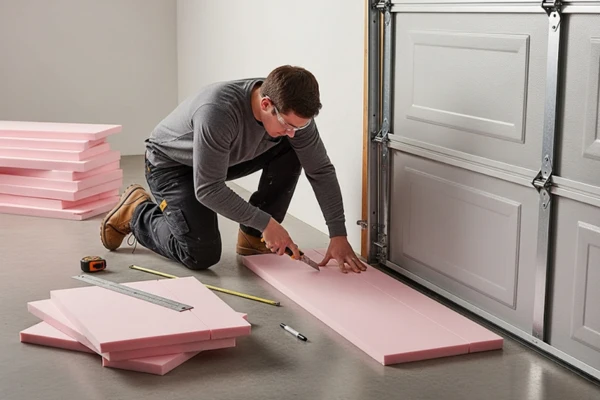
Rigid foam panels are a common retrofit choice because they can be cut to fit many sectional door recesses. Expanded or extruded polystyrene products differ in thickness, rigidity, and thermal performance. Check the manufacturer’s instructions for the particular door and insulation product rather than assuming any foam board is appropriate.
Reflective insulation kits are often marketed for hot garages. Their performance depends on the whole installation, including any required adjacent air space and the direction of radiant heat flow. A shiny surface pressed directly against another material may not deliver the benefit suggested by a broad advertising claim.
Some door manufacturers offer compatible insulation or replacement panel solutions. These can be worth considering because the door’s weight, hinge clearances, and internal geometry are known. Before buying a generic kit, identify the door model and look for the maker’s guidance on permissible modifications.
R-value Helps, but It Is Not the Entire Comfort Score
R-value measures resistance to heat flow through a material or assembly under specified conditions. A higher number generally indicates more resistance, but a garage door also has joints, edges, windows, and weather seals. Air leakage can bypass the insulated surface, making a large advertised R-value less meaningful in everyday use.
Do not compare a foam panel’s laboratory R-value directly with a complete insulated door’s rated performance without checking what was tested. The number may describe only the insulation material rather than the entire moving door. Ask whether the specification refers to a section, a full door, or a standalone board.
In a detached garage used mainly for parking, modest insulation may be sufficient. In a garage attached to living space, prioritize the home’s air and thermal separation as well. Insulation does not make a garage a safe bedroom, office, or conditioned living room without other code, ventilation, and safety requirements.
Measure the Door Before Choosing a Kit
Measure each individual recessed panel rather than relying only on the overall door width and height. Note the depth available behind the panel lips, any internal bracing, and the clearance required when the sections bend around the track. Garage doors are not all built with identical cavities.
Count the number of panels and record whether they have windows or unusual shapes. Take photos of the inside of the door, its labels, and the hinge areas. A kit sized for a common single-car door may not cover a double door, and a kit designed for one panel profile may not fit another.
Do not cover safety labels, inspection openings, or moving hardware. Leave room for hinges, rollers, cables, and tracks. The door must move through its full travel without insulation rubbing, shifting, or falling. A loose panel near a moving mechanism is not a harmless cosmetic issue.
Added Weight Is a Safety Issue, Not a Small Detail
Garage door springs counterbalance the weight of the door. Adding insulation changes that weight, sometimes enough to affect how the door operates. A motorized opener is not designed to compensate for a poorly balanced door, and forcing it to do so can cause wear or unsafe movement.
Never adjust torsion springs, lift cables, or other high-tension components yourself. These parts can cause severe injury. If a kit adds meaningful weight or the door feels unbalanced, contact a qualified garage door technician to evaluate the system. The door should not be modified casually just because a panel seems light in your hands.
Before installation, check whether the manufacturer permits the added insulation and whether modifications could affect warranty coverage. A kit that saves a little money is not worthwhile if it damages the door or creates a new safety problem.
Plan a Clean Installation Without Trapping Moisture
Clean and dry the interior door surfaces as directed by the insulation manufacturer. Remove loose debris, check for rust, and repair water intrusion before covering a panel. Insulation placed against a wet surface can hide a problem and make future inspection harder.
Cut pieces carefully and follow the kit’s approved retention method. Do not improvise with adhesives that could react with foam or damage the door finish. Leave the clearances required by the door and kit makers. Test operation slowly after installation and watch for rubbing or unexpected noise.
If the door has windows, think about daylight as well as thermal performance. Covering glass can make the garage darker and may not be allowed by the product design. A solution that improves temperature but removes the only useful natural light may be a poor tradeoff for a workshop.
Seal the Garage-to-house Boundary Before Chasing Energy Savings
The wall and ceiling separating an attached garage from living areas are important for more than comfort. Vehicle exhaust and stored chemicals should not be allowed to move freely into the house. Door insulation does not address these pathways.
The U.S. Environmental Protection Agency’s home energy retrofit protocols emphasize air sealing the surfaces that separate garages from occupied rooms, including doors, penetrations, and cracks. Any work must preserve required fire separation and follow local codes.
Never seal a garage so tightly that you overlook combustion safety or required ventilation. Do not idle a vehicle inside, even with the main garage door open. If you suspect exhaust fumes are reaching the house, address that problem before spending money on decorative insulation panels.
Compare Three Realistic Homeowner Situations
For a detached garage storing bicycles and tools, a basic compatible foam kit may be a sensible comfort upgrade if the door is in good condition. The garage will still follow outdoor temperatures, especially when the door is opened frequently. Expect moderation, not climate control.
For an attached garage with a bedroom above it, investigate the ceiling and shared-wall air sealing first. The garage door may be part of the problem, but it should not distract from a poorly insulated floor assembly. The best budget may go toward building-envelope work rather than the largest available door-panel R-value.
For an old garage door with rusted sections, failed weather seals, and unreliable movement, replacement may be the more durable choice. A new insulated door can improve the assembly as a whole, but it still needs professional sizing and safe installation. Compare the total cost, not just the price of a foam kit.
What to Check After the Project
Observe the door through several complete opening and closing cycles. Listen for new scraping, shaking, or strain. Check that no insulation shifts and that hinges and safety systems remain accessible. If the door becomes difficult to move or the opener behaves differently, stop and call a technician.
Notice whether the garage feels more comfortable over several weeks, not just on the first mild afternoon. A simple thermometer can help you understand temperature swings, but do not claim a precise energy saving without appropriate measurements. Noise reduction may be more noticeable than a change in utility bills.
Inspect the weather seal at the bottom and sides, too. Our garage door bottom seal replacement guide covers one common source of drafts that insulation panels alone cannot solve.
Garage door insulation panels work best as a targeted upgrade to a safe, sound door. Choose a compatible material, understand what the R-value actually describes, respect the added weight, and keep the garage-to-house boundary safe. Those steps deliver a more useful improvement than simply covering every metal surface with the thickest foam available.

Nike Carkarel
Nike Carkarel writes about home decor, interior design, and practical ways to make living spaces more beautiful and comfortable. At Turquoise Moon Homes, Nike shares ideas for decorating rooms, choosing furniture, improving home layouts, and making everyday spaces work better. With an interest in thoughtful design and simple home improvements, Nike helps readers find inspiration for homes that feel welcoming, stylish, and easy to live in.