Small entryway shoe storage should keep everyday footwear organized without narrowing the route through your front door. The most effective setup usually starts with measuring the door swing and walking space, then choosing shallow, easy-to-clean storage for the pairs you actually wear.
These ideas cover narrow halls, apartments, family entries, wet shoes, and the safety details worth checking before buying a cabinet or rack.
Begin with the Walking Path
Small entryway shoe storage works only if people can still move comfortably through the doorway. Before buying a rack, measure the hall width, the door swing, and the distance to any closet or stair. Place masking tape on the floor to show the footprint of a proposed cabinet. Walk through with a bag, a coat, and the door fully open. A narrow cabinet that looks perfect online may become a daily obstacle when its doors or drawers are extended. Keep required exits and accessibility clearances unobstructed.
Count the Shoes That Actually Live There
Do not design around every pair owned by the household. Count the shoes used during an ordinary week: school sneakers, work shoes, walking shoes, boots, and slippers. Then separate seasonal or occasional footwear that can live in a bedroom closet. A family of four might need space for eight frequently used pairs rather than forty. Reducing the daily inventory often makes a smaller, better-looking solution possible. Give each person a realistic allowance and decide where overflow belongs before installing furniture.
Why Depth Matters More Than Width
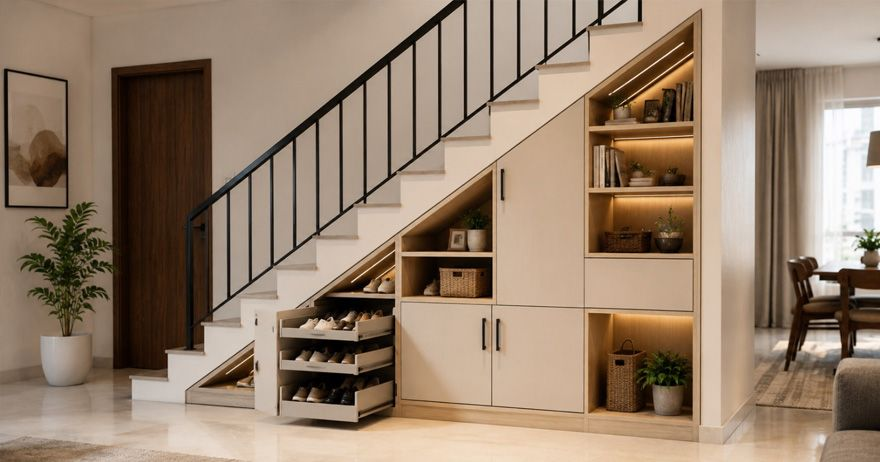
Entryways are often long but shallow. A standard shoe shelf may project farther into the walkway than expected, especially when adult shoes extend beyond the edge. Measure the actual length of the largest everyday shoes and compare it with the cabinet’s usable interior depth. Tilt-out shoe cabinets can save floor space, but they may not fit bulky boots or high-top sneakers. A narrow rack with open sides can be more flexible. Check both closed and open dimensions so the storage does not block the front door during use.
Choose Between Open and Closed Storage
Open racks make it easy to grab shoes and allow damp footwear to air out. They also put every pair on display and can collect visible dust. Closed cabinets create a calmer entryway but need enough ventilation and cleaning access to avoid trapped odors. In a busy family home, a combination often works best: a small open zone for wet shoes and a closed compartment for dry pairs. Do not store muddy boots in a sealed cabinet immediately after a storm. Let them dry in a protected, easy-to-clean area first.
A Bench Is Useful Only If It Fits
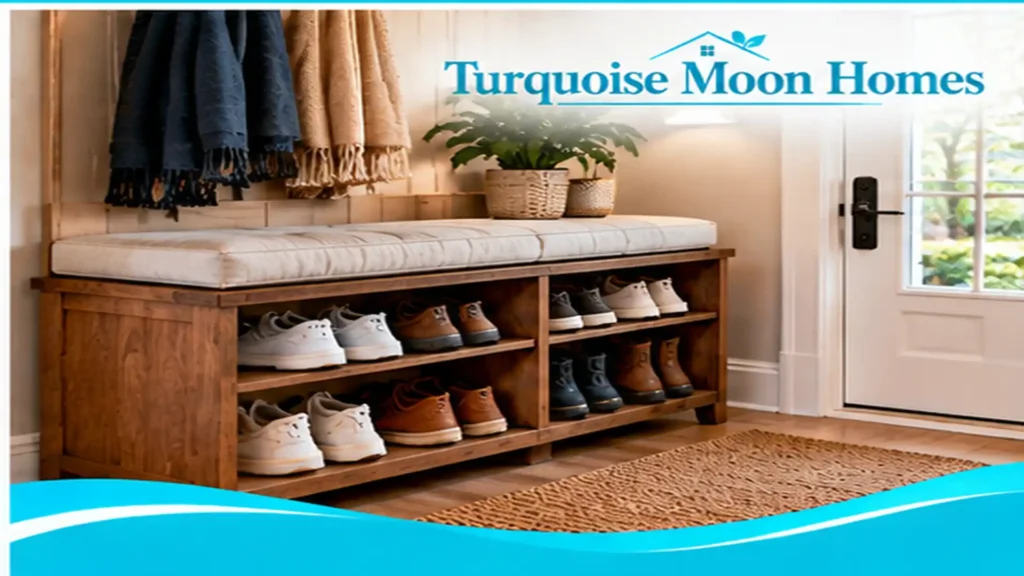
A small bench can make putting on shoes easier for children, older adults, and anyone who dislikes balancing on one foot. But a bench takes up valuable depth and needs room for knees and feet. If the entryway is too narrow, a wall-mounted perch or a seat in an adjacent room may work better. Check the bench’s weight rating and whether its storage shelf can hold the shoes you actually use. Avoid placing a bench where it interferes with a door, heating register, or electrical panel.
Wall-mounted Options for Tight Spaces
Wall-mounted shelves and slim shoe cabinets can free up floor space, making sweeping easier. They need appropriate anchors or attachment to framing, especially when drawers are pulled open or children might lean on them. A tall, shallow unit can tip if it is not properly secured. Renters should check lease rules before drilling into walls. Removable adhesive strips are not a substitute for structural anchoring on a heavy cabinet. For a very narrow hall, a few sturdy wall hooks for bags plus a compact floor tray may be safer than a large wall unit.
Use a Tray for Wet Weather
In rainy or snowy climates, a washable boot tray protects the floor and keeps grit from spreading. Choose a tray with a raised lip and enough room for the pairs that regularly come home wet. A tray placed beneath an open rack can catch drips, but make sure the rack’s feet sit securely. Empty standing water rather than letting it evaporate into a poorly ventilated corner. If shoes stay wet for long periods, move them to a better drying location. Storage should support drying, not hide moisture.
Keep the Floor Easy to Clean
A shoe zone gathers sand, road salt, leaves, and pet hair. Look for furniture with legs high enough for a broom or vacuum, or choose a cabinet that sits flush and can be wiped around easily. Deep cubbies are difficult to clean when debris collects at the back. A removable mat or tray simplifies maintenance. Avoid thick fabric bins for damp shoes because they can hold odors and take time to dry. Smooth surfaces and simple shapes are often more practical than decorative baskets in a busy entrance.
How to Organize Different Shoe Sizes
Children’s shoes, adult sneakers, and tall boots rarely fit one uniform compartment equally well. Adjustable shelves help as the household’s needs change. Store the tallest items in an open end compartment or a separate boot zone rather than crushing them into short cubbies. Small children’s shoes can be paired in shallow bins, but label the bins only if labels genuinely help everyone put things away. Keep the most-used shoes at a height that each person can reach without climbing.
Make Arrivals and Departures Smoother
A shoe rack is only one part of an entry routine. People also need a place for keys, bags, umbrellas, and outerwear. If those items land on top of the shoe cabinet, the surface can become cluttered. Add a small tray for keys and a few appropriately anchored hooks for bags, keeping everything out of the door swing. Avoid storing heavy backpacks on flimsy hooks above a child’s head. The goal is to create a simple sequence: come in, put shoes away, hang a bag, and move on.
What to Do Without an Entry Closet
Many apartments open directly into a living room. In that layout, shoe storage should feel intentional rather than like a pile beside the sofa. A low cabinet can visually mark the entry zone without blocking sight lines. A runner or washable mat defines the landing area, while a small wall mirror can make the space feel more welcoming. Our studio apartment zoning guide
Avoid the Most Common Shopping Mistakes
The biggest mistake is buying storage before measuring. The second is counting pairs without considering shoe height and depth. A third is choosing a unit with drawers that cannot open fully because of a nearby wall or door. Watch for flimsy shelves that bend under heavier shoes and cabinets that require anchoring but do not include suitable hardware for your wall type. Read the assembly instructions and confirm the return policy before ordering. If you cannot test the piece in person, use tape and cardboard to model its dimensions at home.
A Realistic Narrow-hall Example
Imagine an apartment entry that is 42 inches wide with a door opening inward. A deep bench might leave too little room when someone carries groceries. Instead, a shallow shoe cabinet placed beyond the door swing could hold daily footwear, with a boot tray tucked below a nearby hook rail. Seasonal shoes stay in a bedroom closet. The exact dimensions depend on the doorway and applicable clearances, so this is a planning example rather than a fixed layout rule. Mock up the cabinet’s open-door footprint before committing.
Keeping Children and Pets Safe
Tall or shallow storage furniture can tip when a child climbs or pulls on an open drawer. Follow the manufacturer’s anchoring instructions and use hardware suited to the wall. Keep small accessories, cleaning products, and sharp shoe-care tools out of children’s reach. Pets may chew shoes or knock over lightweight racks, so choose a stable arrangement and avoid leaving loose laces dangling where they create a tripping hazard. A neat entryway should make the home safer, not introduce new hazards.
Helpful Outside Guidance
The U.S. Consumer Product Safety Commission’s Anchor It! campaign explains why unsecured furniture can tip and how anchoring reduces risk. The ADA Standards for Accessible Design provide important clearance principles for applicable accessible routes. Not every private home is subject to the same accessibility requirements, but the broader lesson is valuable: storage should never make a passage unsafe or difficult to navigate. Check local rules and the needs of people who use the space.
A Maintenance Plan That Lasts
Once a week, return stray shoes to their proper place and wipe the tray. Once a month, move the rack or open its compartments to remove grit. At the change of seasons, rotate boots, sandals, and special-occasion shoes so the daily zone stays manageable. If the entryway fills up again, check whether the storage system is too complicated or whether too many pairs are competing for the same space. A simple system that people can maintain beats a beautiful arrangement that only works on the day it is photographed.
The Bottom Line
The best small entryway shoe storage starts with an unobstructed walking path and an honest count of everyday shoes. Choose a depth that fits the hall, plan for wet footwear, and secure furniture that could tip. Keep the system easy to clean and simple enough for everyone in the household to use. When every pair has a practical place and the front door opens freely, even a very small entry can feel calm instead of crowded.

Nike Carkarel
Nike Carkarel writes about home decor, interior design, and practical ways to make living spaces more beautiful and comfortable. At Turquoise Moon Homes, Nike shares ideas for decorating rooms, choosing furniture, improving home layouts, and making everyday spaces work better. With an interest in thoughtful design and simple home improvements, Nike helps readers find inspiration for homes that feel welcoming, stylish, and easy to live in.