Small kitchen appliance storage works best when the machines you use every day stay easy to reach and the ones you use occasionally have a safe, stable place away from the countertop. Start by sorting appliances by frequency, weight, and heat needs. Then choose a cabinet shelf, pull-out, cart, or dedicated counter zone that fits how you actually cook.
In a small kitchen, a toaster, blender, coffee maker, mixer, and air fryer can consume nearly every inch of prep space. Hiding all of them in deep cabinets is not much better if you have to lift a heavy machine over your head whenever you need it. The goal is not an empty counter for a photograph. It is a kitchen where breakfast, dinner, and cleanup feel easier.
Count the Appliances Before Buying Organizers
Open the cabinets and gather the appliances you own, including the ones pushed to the back. Note how often you use each one. A coffee maker used twice a day has a different storage need from a waffle iron brought out a few weekends a year.
Divide the group into daily, weekly, and occasional use. This simple step often reveals duplicates or gadgets that no longer suit your routine. Keep only what earns its space, especially if the kitchen has limited drawers and cabinets.
Do not buy a rolling cart or appliance garage before you know what it must hold. Measure the actual machines, including handles, lids, cords, and any attachments. The storage solution should follow the inventory, not the other way around.
Give Daily Appliances a Deliberate Home
If you use the coffee maker every morning, a small counter zone near a safe outlet may be more practical than lifting it from a cabinet. Group the coffee supplies nearby so the routine happens in one place instead of spreading across the kitchen.
Keep the toaster where crumbs can be cleaned easily, and move it away from hanging towels or other items that could catch fire. Appliances that produce heat or steam need the clearances specified by their makers. Never assume that a shelf or cabinet is safe for operating a machine simply because it fits there.
For many households, the best small kitchen appliance storage plan leaves one or two essentials on the counter and moves the rest out of the main prep zone. That preserves work space without turning every meal into an unpacking exercise.
Use Base Cabinets for Heavy Machines
Stand mixers and large food processors can be awkward to lift from high shelves. A lower cabinet or sturdy pull-out is usually more comfortable than storing heavy equipment overhead. Check the shelf’s load rating and the weight of the appliance before installing any moving hardware.
A pull-out shelf can bring a machine forward so you do not need to reach deep into the cabinet. But a pull-out is not automatically a working platform. It must be rated and designed for the appliance’s operating weight, movement, heat, and ventilation before you use a machine on it.
IKEA’s cabinet organization guidance shows how drawers, dividers, and pull-out fittings can improve access to deep storage. The useful idea is visibility and reach, not the need to buy a specific brand of cabinet.
Make the Back of a Cabinet Useful Again
Deep cabinets often become a parking lot for appliances that are too hard to reach. Place the most-used items toward the front. Keep less frequent equipment behind them only if you can retrieve it without moving a dangerous stack of heavy objects.
Low bins can group smaller attachments, but do not put a heavy appliance on top of a flimsy plastic container. Adjustable shelves can help create a dedicated opening for a blender or food processor without wasting the full cabinet height.
Labeling is useful when several machines have similar parts. Store the correct blades, lids, and paddles together, preferably in a container that protects sharp edges. A machine that is easy to find but missing its attachment is not truly organized.
What an Appliance Garage Can and Cannot Do
An appliance garage is a counter-level cabinet or enclosure designed to conceal small machines. A roll-up or lift-up door can make a coffee station look neat when it is not in use. It is especially attractive in a kitchen where visual clutter makes the room feel smaller.
The limitation is airflow and heat. A closed enclosure may not be suitable for running a toaster, air fryer, or other heat-producing appliance. Check the equipment and cabinet manufacturer’s instructions, and pull the machine into an approved operating location if necessary.
Plan for the door’s swing, the appliance’s height when open, and the space needed to clean behind it. A garage that hides everything but makes the machine difficult to use may look clever and feel annoying every morning.
Keep Electrical Safety Part of the Plan
Storage should never depend on unsafe cords. The U.S. Fire Administration’s appliance safety guidance advises unplugging small appliances when they are not in use, avoiding overloaded outlets, and replacing appliances with damaged or loose cords.
Do not run cords under rugs, behind pinched cabinet doors, or through a place where drawers can crush them. For cooking appliances, follow the manufacturer’s directions about plugging into a suitable wall outlet and required clearances.
If a cabinet location has no appropriate outlet, do not treat a long extension cord as a permanent fix. Move the appliance to a safer working area or consult a qualified electrician about a properly planned outlet.
Give Each Machine Room to Open and Breathe
Measure more than the appliance’s closed dimensions. A blender may need extra height to remove its jar. A stand mixer head may tilt upward. An air fryer basket needs clearance in front, and a coffee maker may need space to refill the water reservoir.
Sketch these movements before choosing a shelf. A machine that technically fits but cannot open is a frustrating storage mistake. Check how steam and heat leave the unit during operation, especially beneath wall cabinets.
It may be better to store an appliance in a cabinet and move it to the counter for use. That extra step can be worthwhile when it keeps the machine stable and gives it the clearance it needs.
A Rolling Cart Can Help a Tight Kitchen
A narrow cart may provide space for lightweight appliances and their accessories when fixed cabinets are full. Look for a sturdy frame, locking wheels, and shelves rated for the weight you plan to store. Measure doorways and the path the cart will travel.
Do not put the heaviest appliance on a high, unstable shelf. Keep the center of gravity low and avoid using a cart as an operating platform unless it is specifically suitable. A cart should solve storage problems, not introduce tipping or cord hazards.
In a rental, a movable cart can be useful because it does not require altering cabinets. It can also move out of the way during cleaning. The best location is one that does not block a door, stove, or narrow walkway.
Use Vertical Space Selectively
Upper shelves are useful for lightweight, infrequently used items such as attachments, manuals, or small accessories. They are less convenient for a heavy mixer or an appliance with sharp parts that could fall while being retrieved.
Consider a shallow wall shelf for lightweight, non-heating accessories rather than for operating appliances. Verify that brackets and anchors suit the wall and load. Do not mount storage where it interferes with ventilation, sprinklers, or other building features.
If you need more pantry space too, our guide to small apartment pantry storage offers ways to organize dry goods without competing with every appliance for the same shelf.
Store Attachments with the Appliance
A blender jar in one cabinet and its lid in another creates extra work. Use a labeled bin for blades, paddles, measuring cups, and removable parts that belong together. Keep sharp pieces protected so someone reaching into the bin cannot be cut.
Clean and dry parts fully before storing them. Trapped moisture can leave odors or residue in closed containers. Coil cords loosely as directed by the manufacturer rather than wrapping them tightly around hot surfaces or sharp corners.
For a rarely used machine, keep its manual or a note with the model number nearby. That makes it easier to check assembly, cleaning, and safety instructions when the appliance comes out again months later.
Design a Practical Morning and Dinner Route
Think about the kitchen as a series of small movements. Breakfast might require a coffee maker, toaster, mugs, and bread. Dinner might involve a cutting board, blender, and the stove. Keep frequently paired items near one another without crowding the prep surface.
Place daily tools where they can be reached without crossing the room. If you constantly move the toaster to chop vegetables, it is taking up the wrong spot. The appliance may belong at the edge of the counter or in an accessible lower cabinet.
Clear the area around the sink too. Damp counters and crowded plumbing cabinets are poor storage spots for electrical equipment. Our guide to under-sink cabinet organization explains how to keep that zone functional without hiding leaks.
Choose Storage Based on the Kitchen You Have
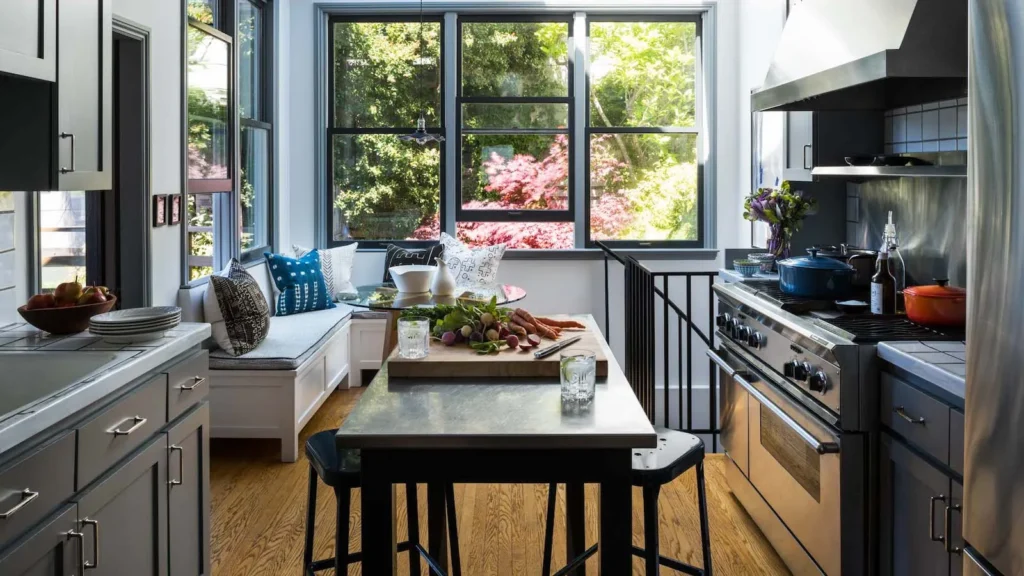
For a galley kitchen, a narrow cart or a single appliance zone may work better than another bulky cabinet. For an L-shaped kitchen, one corner can hold the coffee routine while the longest clear run stays available for meal prep.
In a kitchen with very few drawers, use cabinet dividers and small bins for attachments so they do not spread across the counter. If you have generous lower cabinets but little upper storage, reserve the easy-to-reach lower space for the heaviest machines.
Do not copy a magazine kitchen without considering your household. Someone who bakes every weekend may reasonably keep a mixer accessible. Someone who makes smoothies once a month probably does not need the blender on display.
A Quick Reset That Takes One Afternoon
Start by unplugging and cleaning each appliance. Discard broken accessories safely and decide which machines still serve a purpose. Measure the survivors and write down where each one will live.
Empty one cabinet at a time instead of dismantling the whole kitchen. Test the fit before adding bins or shelf risers. Open doors, tilt lids, and pull out drawers to catch collisions that a tape measure alone might miss.
Live with the arrangement for a week. Notice which appliances you keep moving and which spaces stay unused. Adjust the layout before buying more organizers. The best small kitchen appliance storage system is the one that survives an ordinary busy Tuesday.
Frequently Asked Questions (FAQs)
Should Small Kitchen Appliances Be Stored in Cabinets?
Many can be stored in cabinets when they are clean, dry, and easy to retrieve. Check weight and clearance, and do not operate a heat-producing appliance inside an enclosure unless its instructions allow that setup.
Where Should a Heavy Stand Mixer Go?
A sturdy lower cabinet or properly rated pull-out can reduce lifting. Check the load rating and whether the shelf is approved as an operating surface before using the mixer there.
Is an Appliance Garage Worth It in a Small Kitchen?
It can hide visual clutter and create a neat station, but it uses cabinet space and must allow safe access, airflow, and cord routing. Test the appliance dimensions before choosing one.
Final Thoughts: Keep Prep Space and Easy Access
Good small kitchen appliance storage is a balance between clear counters and realistic daily routines. Keep frequent tools accessible, place heavy equipment low, and give heat-producing appliances a safe operating location.
Measure first, respect electrical and ventilation instructions, and store accessories together. A kitchen feels bigger when the tools have sensible homes and the work surface is ready when you need it.
You may also read: Small Apartment Pantry Storage That Makes Every Shelf Easier to Use

Nike Carkarel
Nike Carkarel writes about home decor, interior design, and practical ways to make living spaces more beautiful and comfortable. At Turquoise Moon Homes, Nike shares ideas for decorating rooms, choosing furniture, improving home layouts, and making everyday spaces work better. With an interest in thoughtful design and simple home improvements, Nike helps readers find inspiration for homes that feel welcoming, stylish, and easy to live in.