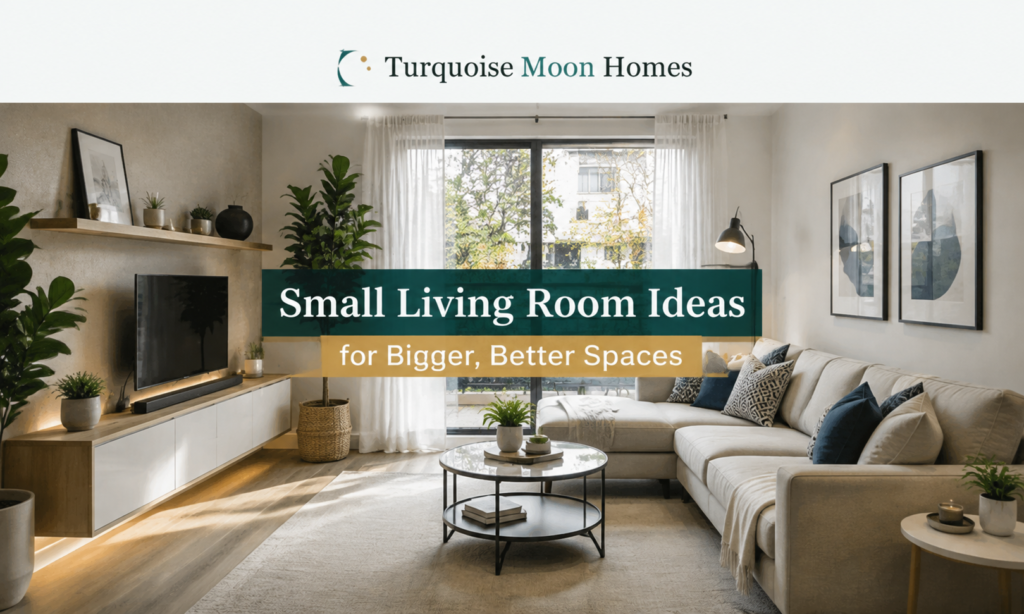
A small living room works best when each piece has a clear job and people can move around it with ease. Start with a layout that fits the room, choose seating that suits your daily life, and give loose items a place to go. You do not need a larger house to make the room more useful.
Small rooms can feel crowded for reasons that have little to do with square footage. A sofa may block a door, a table may cut off the walkway, or storage may spill into the seating area. Fixing those problems often helps more than buying new decor.
In this article, you’ll learn how to measure your room, plan seating for different shapes, add storage, and improve light without wasting money. You’ll also find renter-friendly ideas and safety checks for homes with kids or pets.
Measure the Room and Watch How You Move
Sketch the room before you shop. Mark doors, windows, outlets, heaters, and any spot that must stay open. Then measure the walls and the furniture you already own. Write down the depth of the sofa, not just its length. A deep sofa can use more floor space than you expect.
Walk from the entry to the other rooms as if you were carrying laundry or groceries. Notice where you turn or step around furniture. Keep those routes clear. A layout that looks balanced in a photo may still feel awkward when people use it.
Try a paper plan or place painter’s tape on the floor to show the size of a sofa or table. Check that doors can open and chairs can pull out. This simple test can save you from buying a piece that fits on paper but not in daily life.
Choose Seating for the People Who Live There
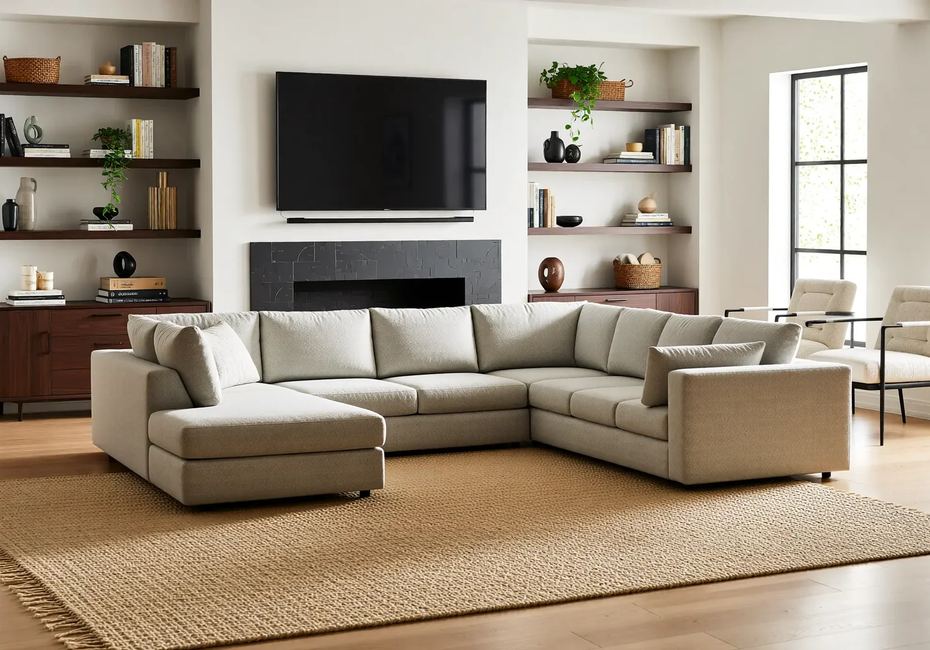
Start with the seat you use most. A compact sofa may be better than a large sectional if you need a clear path across the room. A loveseat with one light chair can also give you flexible seating. Choose comfort first, but compare seat depth and arm width as well as style.
Look for furniture with legs if you like seeing more of the floor. It can make the room feel lighter. Still, pick a seat that is stable, easy to clean, and suited to the people who use it. A narrow sofa is not useful if no one wants to sit on it.
Make the Layout Match the Room Shape
Narrow Rooms
Place the main sofa along a long wall when that leaves the best path. Try a small round table or two nesting tables in front. A slim chair can sit near a window without blocking the route. Avoid lining both long walls with deep furniture, which can make the center feel like a hall.
Square Rooms
Build a small talk area. Face the sofa toward a chair, window, or media wall. A rug can help tie the seats together. If the room allows it, move the sofa a little away from the wall. Test the walkway before deciding that floating furniture is the right choice.
Open-plan Apartments
Use the sofa back or a low shelf to mark the living area without closing it off. Keep the path to the kitchen clear. A rug and a floor lamp can give the seating zone its own feel. Do not place a tall unit where it blocks light or sight lines.
Make the TV Fit Without Taking Over
Choose a viewing spot that feels natural from your main seat. A slim media stand may be enough for the screen and a few devices. Wall mounting can free floor space, but only if the wall and hardware can support the TV. Follow the mount instructions or hire a qualified installer.
Keep cords tidy and away from paths. If the TV sits on furniture, use a stand made for its size and weight. The U.S. Consumer Product Safety Commission’s Anchor It campaign urges households to secure TVs and furniture to help prevent tip-over injuries. Tall storage units also need proper anchoring.
Use Storage That Solves a Real Problem
Look at what lands on the floor or coffee table each day. Blankets, toys, books, chargers, and mail may each need a different home. Give daily items an easy spot to reach. Put rarely used things in closed storage so they do not fill the room.
A storage ottoman can hold throws and serve as a footrest. Nesting tables offer extra surfaces when guests visit. A low cabinet can hide games or media gear. Choose pieces that do two jobs well rather than buying storage just because it looks clever.
Use wall space with care. Shelves can free the floor, but they must be fixed to a suitable wall with the right hardware. Renters should ask before drilling. Avoid heavy items over a seat or where a child could pull them down.
Get Better Light Without a Big Remodel
Let daylight reach the room when you can. Move tall furniture away from windows, and try curtains that open fully. A mirror can bounce light into a dim corner, but place it where glare will not bother people sitting or watching TV.
Use more than one light source. A floor lamp can brighten a reading chair, while a table lamp gives soft light near the sofa. Choose bulbs by brightness and color, not only by how warm they look in a store. A dim room may need task light more than another decoration.
If you are replacing old bulbs, ENERGY STAR explains how efficient lighting can cut electricity use. Check the fixture’s bulb limits and dimmer needs before buying. Keep lamp cords out of walkways and avoid overloading outlets.
Pick Colors and Decor That Feel Calm
Light walls can help a room feel bright, but they are not the only good choice. A warm cream, soft green, or deep accent color may work well with your light and furniture. Test paint samples at different times of day before you commit.
Leave some open space on shelves and tables. The goal is not a bare room. It is a place where your favorite things stand out and you still have room for a drink, book, or laptop.
Plan for Renters, Kids, and Pets
For young children, keep climbable furniture secure and store heavy items low. Choose tables with edges that suit your household. If you have pets, think about washable covers, scratch-resistant fabrics, and clear floor space for beds or bowls.
Make sure doors, vents, and heating units stay clear. A stylish arrangement is not worth blocking an exit or making it hard for someone to move through the room.
Refresh the Room on a Budget
Start by removing pieces you do not use. Move the sofa, test a different chair angle, and shift a lamp before buying anything. You may find that the room needs a better plan rather than more products.
Spend first on a problem you feel every day. If there is nowhere to put a drink, add a small table. If toys fill the floor, choose closed storage. If reading is hard at night, improve the light. One useful change can beat a full decor haul.
A Quick Layout Check Before You Finish
- Can someone walk from the door to every seat without stepping around a table?
- Do drawers, doors, and windows open as needed?
- Is there a place for the items used every day?
- Can you read, talk, and watch TV without awkward glare?
- Are tall units and screens secure, with cords kept out of the way?
- Does the room still feel comfortable when two or more people use it?
Frequently Asked Questions (FAQs)
What Sofa Works Best in a Small Living Room?
Choose one that fits the measured room and the way you sit. A compact sofa or loveseat is often useful, but comfort and clear walkways matter more than a label. Check seat depth, arm width, and delivery access before buying.
Should All Furniture Touch the Walls?
No. Some rooms work better with a sofa pulled forward or a chair set at an angle. Keep enough space for movement and cleaning. If floating furniture blocks a route, placing it closer to a wall may be smarter.
Can Dark Colors Work in a Small Room?
Yes. Dark paint can create a cozy look when the room has enough light and the rest of the decor feels balanced. Try a sample first. You do not need white walls to make a room pleasant.
Is a Coffee Table Necessary?
Not always. A small side table, nesting tables, or a sturdy ottoman with a tray may suit the space better. Pick the option that gives you a useful surface without blocking knees or paths.
How Can I Make a Rental Living Room Feel Bigger?
Try a simpler layout, a well-sized rug, brighter lamps, and curtains that let in daylight. Use movable storage and art where the lease allows it. Keep the floor and main path open before adding decor.
Final Thoughts
A small living room should support the life happening inside it. Measure first, protect the walkways, and choose a few pieces that earn their place. Then use light, storage, and personal details to make the room feel like home.
You may also read: Living Room Furniture Arrangement Blueprint for a Balanced Home

Nike Carkarel
Nike Carkarel writes about home decor, interior design, and practical ways to make living spaces more beautiful and comfortable. At Turquoise Moon Homes, Nike shares ideas for decorating rooms, choosing furniture, improving home layouts, and making everyday spaces work better. With an interest in thoughtful design and simple home improvements, Nike helps readers find inspiration for homes that feel welcoming, stylish, and easy to live in.