End table height next to sofa seating should usually be close to the top of the sofa arm, ideally level with it or slightly lower. A difference of around two inches is a helpful starting range, but the most comfortable choice depends on your sofa and how you use the table.
Before buying, measure the arm, test your reach, and consider the space available for a lamp, mug, or book. This guide covers armless sofas, recliners, small rooms, shared tables, and the details that make an end table genuinely useful.
Start with the Sofa Arm, Not a Standard Table Size
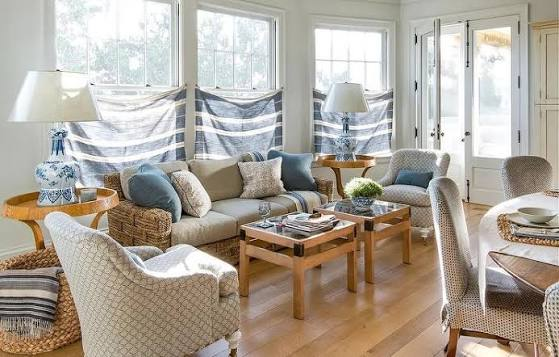
The easiest way to choose end table height next to sofa seating is to measure from the floor to the top of the sofa arm. A table close to that height, often level with the arm or a little lower, usually makes it comfortable to set down a drink without leaning or lifting your shoulder.
The Wayfair end-table height guide suggests a surface at or slightly below the armrest, ideally within about two inches. Treat that as a practical starting point rather than a law of furniture design. The right fit depends on the way you sit, the sofa shape, and the objects you use.
If your sofa arm is twenty-four inches high, begin by considering a table around twenty-two to twenty-four inches. Then sit in your usual spot and test whether reaching for a mug feels easy. Your body gives more useful feedback than a showroom label.
Measure Where Your Hand Actually Rests
A sofa may have a tall outer arm with a soft rounded top, a sloping arm, or a narrow wooden cap. Measure the usable top where your elbow or hand naturally rests, not an arbitrary point at the back of the sofa.
If the cushion sinks deeply when someone sits down, the reach may change. Take the measurement with the sofa in normal use and test the planned table height with a sturdy box or stack of books. A temporary mock-up can prevent a frustrating purchase.
Remember to measure the finished tabletop height, not the underside of the frame. Product listings often provide overall height, but decorative lips, raised trays, or thick tops can change where a cup actually sits.
An Armless Sofa Calls for a Different Reference
Without a sofa arm, there is no armrest height to match. Use the compressed seat height and the natural reach of the person who will use the table. A slightly raised surface may be comfortable, especially for a low, deep sofa.
Do not assume that every armless sofa needs a tall side table. A deep seat can place the sitter farther from the edge, making a wide or movable table more useful than extra height. Try a cardboard footprint beside the seat to see whether you can reach the far side.
The best test is simple: sit back, reach to the planned spot, and pretend to pick up a full glass. If you need to twist or lean, change the location or dimensions before buying.
Table Width Matters Just as Much as Height
A perfectly tall table can still fail if it barely holds a lamp and a cup. Think about what will live there every day. A reader may need space for a lamp, glasses, and a book. Someone who uses a tablet may need a wider, stable surface.
The IKEA OLSERÖD side table illustrates a different approach: a compact table that can slide toward a sofa for flexible use. The example is useful because it shows that footprint and movement can matter as much as a fixed height.
Before shopping, lay paper on the floor to mark the proposed width and depth. Put a lamp and a mug on a nearby surface of similar size. If the arrangement feels crowded in the mock-up, the real table will probably feel crowded too.
Leave a Usable Walkway Beside the Seating
The table should not force people to turn sideways to pass. A wide rectangular top may look balanced in a large showroom but feel intrusive beside a sofa near a doorway. Consider the path people take to reach the seat and move through the room.
A narrow round table can soften a busy corner because it has no projecting corners. A C-shaped table can tuck closer to a sofa, though its base must fit beneath or around the furniture without tipping. Nesting tables can expand for guests and shrink again afterward.
If you have a tight layout, our living room furniture arrangement guide offers a broader way to think about circulation. Measure the route people use most, not just the empty space visible in a floor plan.
Lamp Height Changes How the Table Feels
A table holding a reading lamp serves two purposes: keeping everyday objects close and placing light where it is useful. The height of the lamp, the shade, and the seated eye level all influence whether the combination works.
A short table with a tall lamp can sometimes give better light than a tall table with a small lamp. Check that the bulb is not glaring directly into your eyes and that the shade does not block the view across the room. Consider where the power cord will run.
If the table sits beside a frequently used seat, test the light while actually reading. The right combination should illuminate the page without shining into someone else’s face. A beautiful lamp that creates glare can make a cozy room surprisingly uncomfortable.
Match the Table to the Sofa’S Visual Weight
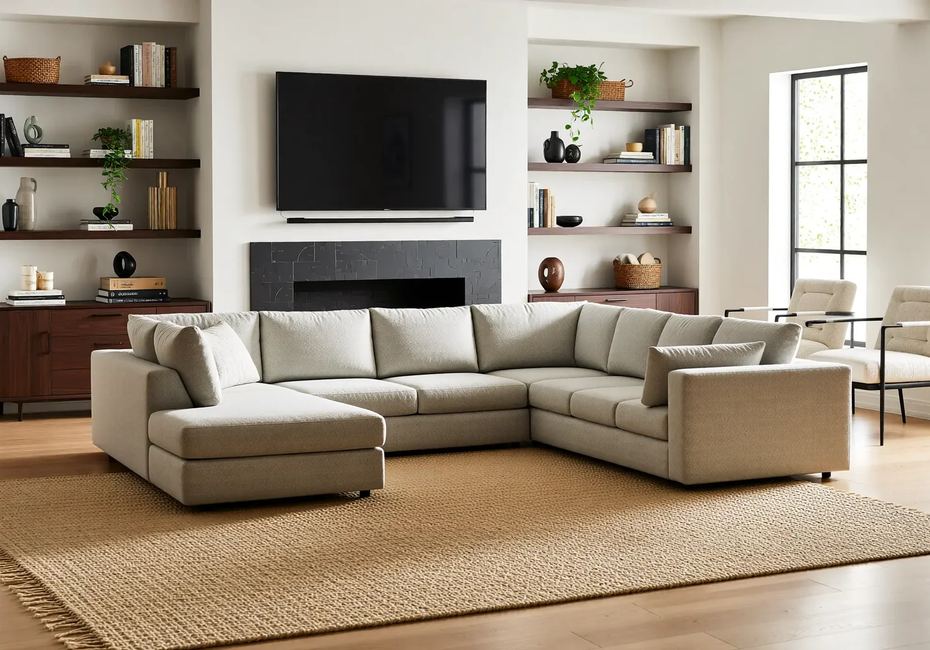
A bulky rolled-arm sofa can visually overpower a delicate side table, even when their heights match. A very slim modern sofa may look crowded beside a heavy chest. Proportion matters, but it does not require matching furniture sets.
Look at the thickness of the tabletop, the openness of the legs, and the materials already in the room. A wooden table can add warmth to a cool fabric sofa. A metal frame can keep a small room feeling lighter. The goal is balance, not perfect symmetry.
If the sofa is long and substantial, consider a table with enough surface area to feel intentional. If the sofa is compact, choose a lighter piece that does not visually consume the entire corner.
Recliners and Motion Sofas Need Clearance
A recliner changes shape when it opens. The footrest, arm movement, and seat position may interfere with a nearby table. Measure with the chair both closed and fully reclined before deciding on a permanent spot.
A small table that looks ideal when the recliner is upright can become unreachable when the seat slides back. Some people prefer a movable table for this reason. Stability matters especially when a drink is placed near moving furniture.
Do not run lamp cords where the mechanism can pinch them or where someone may trip while getting out of the chair. A little planning can prevent a frustrating layout and an avoidable hazard.
Shared Tables Between Two Seats Are a Compromise
When one end table sits between a sofa and an armchair, the two arm heights may differ. Choose a height that works for the person who uses the table most, then check whether the second seat can still reach it comfortably.
If the height difference is large, a shared table may be less practical than two smaller surfaces. A low shelf beside one seat or a narrow tray near the other can solve the problem without forcing a single table to do everything.
Try placing the table slightly forward or backward to improve reach, but keep it out of the walking path. Position often matters as much as an inch or two of height.
Storage Features Can Improve Everyday Use
A drawer hides remotes and chargers. An open shelf holds books and a basket. A tray top helps keep small items together. Each feature can be useful, but every added compartment makes the table larger or changes how easy it is to clean.
Think about what currently collects on the sofa arm. If it is mostly a phone and a drink, a compact open table may be enough. If the room has no nearby storage, a drawer or lower shelf can prevent clutter from migrating to the coffee table.
Avoid choosing storage just because it looks clever in photographs. A narrow drawer that cannot hold your actual items will not help much. Measure the things you want to store before paying for extra features.
Common Buying Mistakes Are Easy to Prevent
One mistake is buying a table based only on its advertised height without checking the sofa. Another is ignoring the table’s depth, which can push into the room. A third is choosing a wobbly lightweight design for a heavy lamp or a home with active children.
A table can also be too close to the sofa, making it difficult to vacuum or retrieve dropped items. Leave enough breathing room to clean while keeping the surface reachable. If the floor is uneven, look for adjustable feet or a stable base.
Before you order, note the height, width, depth, weight, and return policy. A quick sketch with those measurements is more reliable than judging a product photograph on a phone screen.
Use the Room for a Day Before Committing
Place a stable temporary surface beside the sofa at your proposed height. Live with it through an evening of reading, watching television, and getting up for snacks. Notice whether you reach naturally or keep moving the surface out of the way.
Check the table from the doorway, from the opposite chair, and from the sofa itself. What looks balanced from one angle may block a pathway from another. If the table holds a lamp, test the light at night rather than only in daylight.
For related placement choices, our coffee table sizing guide helps with the central seating area. A comfortable room works because its pieces support the way people move and relax.
The Best Fit Is the One You Stop Noticing
The right end table height next to sofa seating makes a cup, lamp, or book easy to reach without a second thought. Start near the arm height, then adjust for your own seat, room, and daily habits.
Measure carefully, test with a temporary surface, and choose a shape that leaves the walkway clear. You do not need matching tables on both ends or a perfect designer set to make the room feel finished.
A small table earns its place by being useful every day. When the proportions, reach, and storage work together, it quietly makes the entire living room more comfortable.

Nike Carkarel
Nike Carkarel writes about home decor, interior design, and practical ways to make living spaces more beautiful and comfortable. At Turquoise Moon Homes, Nike shares ideas for decorating rooms, choosing furniture, improving home layouts, and making everyday spaces work better. With an interest in thoughtful design and simple home improvements, Nike helps readers find inspiration for homes that feel welcoming, stylish, and easy to live in.