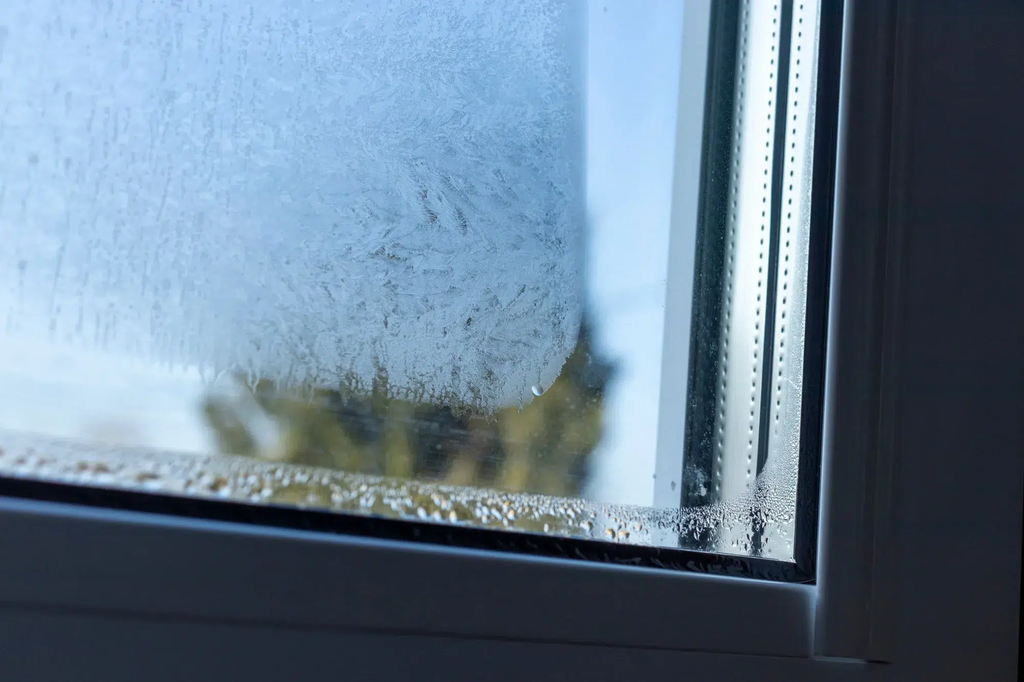
You wipe the living-room window, step back, and the cloudy patch is still there. If the haze sits inside a double-pane or triple-pane glass unit, ordinary cleaning will not reach it. Fog between window panes often means moisture has entered the sealed space between the sheets of glass. That points to a problem with the insulated glass unit, not simply a dusty surface.
Before ordering a whole new window, identify exactly where the moisture is, whether the frame is still sound, and whether the manufacturer offers replacement glass under warranty. A failed sealed unit and a leaky window frame are different problems with different costs. Here is a practical way to sort them out without spending money on the wrong fix.
First Find Out Which Surface Is Wet
Morning condensation on the room-facing surface often appears when humid indoor air meets cold glass. You can usually wipe it away, and it may return under similar temperature and humidity conditions. Exterior condensation can form on the outside surface under certain weather conditions, especially when the glass stays cooler than humid outdoor air. Neither situation automatically means the window’s insulated seal has failed.
Fog between window panes behaves differently. It remains visible after both reachable surfaces are wiped dry, and the haze may look trapped behind a reflection. Sometimes it forms droplets or a mineral-like film that shifts as the sun warms the glass. Compare the pane at different angles, photograph the pattern, and check nearby windows. The goal is to confirm that the moisture is inside the glazing unit before discussing replacement options.
What the Sealed Glass Unit Is Supposed to Do
An insulated glass unit consists of two or more panes separated by a spacer and sealed around the edges. The enclosed space is designed to limit heat transfer, sometimes with an insulating gas fill. The Department of Energy’s explanation of window glazing technologies describes how sealed multi-pane assemblies work and why their construction affects thermal performance.
Over time, seals can deteriorate through age, movement, installation stresses, or manufacturing issues. When outside moisture gets into the cavity, the unit may become cloudy. The exact impact on energy performance depends on the unit and the extent of failure, so a fogged pane is not enough to calculate a particular increase in utility bills. It is, however, a clear reason to check the glass unit’s condition and warranty.
A Quick Comparison: Interior Condensation Versus Seal Failure
Suppose two bedroom windows look wet on a cold October morning. On the first, you can draw a dry line through the moisture with a cloth. On the second, the glass remains hazy after cleaning the interior and exterior surfaces. The first suggests surface condensation and a need to review indoor humidity and airflow. The second raises concern about the sealed glass cavity.
ENERGY STAR’s window and condensation guidance explains why interior moisture forms on cool glass and why managing indoor humidity matters. That guidance is useful even when one window also has a failed seal: a home can have both issues at once. Do not let a salesperson use a single foggy pane to imply every window in the house must be replaced.
What Fog Between Window Panes Can Look Like over Time
The first sign may be a faint milky patch in one corner that disappears or becomes less obvious in different weather. Later, droplets can appear along the lower edge, or the interior surfaces may develop a film that looks like smudged glass. Because you cannot access the sealed cavity with a cloth, the mark does not clean away like fingerprints.
A clear day does not necessarily mean the seal has repaired itself. Temperature changes can alter the visible condensation, but they do not restore a failed perimeter seal. Take photos on several days if the haze is intermittent. Include the whole window and a close view of the affected area, because a manufacturer or glazier may ask whether the moisture is inside the insulated unit or around the sash.
When the Glass Alone May Be Replaceable
Many modern windows are built so a professional can replace the insulated glass unit while keeping the existing sash or frame, provided the system is compatible and the surrounding parts are sound. That can avoid disturbing interior trim and exterior siding. But the possibility depends on the brand, age, glazing method, sash design, and availability of matching components.
Ask a qualified glass shop whether it can obtain the correct thickness, dimensions, coatings, and spacer configuration. A replacement that looks similar but changes glass performance or fit can create new problems. If the sash is warped, hardware is failing, or the frame leaks around the wall opening, glass-only replacement may not solve the wider issue. Get the frame inspected before treating the pane as the only component that matters.
Why Drilling or Defogging Is Not the Same as Restoring the Seal
Some services advertise drilling small openings into fogged units to release moisture or improve the appearance of the glass. The result may make a window look clearer for a time, but it should not be confused with rebuilding the original sealed insulating cavity. A cosmetic improvement does not necessarily restore the original gas fill, perimeter seal, or rated performance.
Ask precisely what a proposed service guarantees and what it does not. Will it remove visible haze only? Is there a written warranty against moisture returning? Could the procedure affect a manufacturer warranty? Compare that scope with a replacement insulated glass unit before deciding. If the glass is cracked, loose, or structurally compromised, cosmetic defogging is not an appropriate substitute for a safe replacement.
Check the Warranty Before You Pay
Window warranties vary widely. Some cover insulated glass seal failure for a defined period, while others have different terms for parts, labor, transferability, or glass breakage. A homeowner may have paperwork from the builder, a label inside the frame, or a serial number near the sash. Collect those details before ordering work.
Photograph the entire unit, the fogging, any manufacturer markings, and the installation location. Contact the manufacturer or installing dealer with the model information and ask what is covered. Avoid assuming that ‘lifetime warranty’ means free labor or that a replacement pane automatically receives the same coverage as the original. Written terms and the date of installation matter more than the phrase on an advertisement.
Don’T Ignore the Frame, Sill, and Wall Around the Window
A fogged sealed unit can coexist with water intrusion around the frame. Look for swollen trim, peeling paint, dark stains at the sill, or soft wood near the wall. Those signs call for a separate investigation of exterior flashing, drainage, and the rough opening. Replacing the glass alone will not fix a leak that travels behind the window frame.
If you notice moisture near a skylight rather than a vertical window, our skylight condensation versus leak guide helps separate indoor humidity, glazing problems, and roof water entry. The location changes the repair process, but the principle stays the same: identify whether the water is on a reachable surface, inside the sealed glass, or entering around the assembly.
What a Useful Estimate Should Include
Ask whether the quote covers the insulated glass unit only, the sash and glass together, or the entire window frame. Confirm whether measurements are taken on site, which glass coatings will be matched, how the unit will be secured, and what happens if the old sash is damaged during removal. A good estimate should explain labor, disposal, trim disturbance, and warranty coverage without leaving those details to guesswork.
If you are replacing several windows for comfort rather than only one failed pane, compare energy ratings and installation details instead of choosing on appearance alone. Window treatments also influence daily comfort and privacy; our guide to window shades for privacy and light offers practical ways to manage sunlight without mistaking a shade problem for a glazing problem. The right scope is the smallest one that solves the actual defect and preserves the surrounding assembly.
A Realistic Example in a Ten-year-old Home
Imagine a home where the west-facing dining-room window develops a cloudy oval after several sunny afternoons. The owner cleans both sides but the patch remains. The sash operates smoothly, the sill is dry, and neighboring windows are clear. A glazier confirms moisture inside the insulated glass unit and finds that a compatible replacement pane is available.
In that situation, a glass-unit replacement may be more proportionate than replacing every frame on the wall. If the inspection instead finds a twisted sash and water damage beneath the sill, the recommendation changes. The example shows why fog between window panes is a symptom to diagnose, not an automatic instruction to buy a whole new window.
Final Thoughts
Persistent haze trapped inside a sealed window is not something stronger glass cleaner can solve. Confirm the moisture location, check the sash and frame, review warranty terms, and compare glass-only replacement with broader work where needed. A careful diagnosis keeps a frustrating cloudy pane from turning into an unnecessary full-window renovation.

Nike Carkarel
Nike Carkarel writes about home decor, interior design, and practical ways to make living spaces more beautiful and comfortable. At Turquoise Moon Homes, Nike shares ideas for decorating rooms, choosing furniture, improving home layouts, and making everyday spaces work better. With an interest in thoughtful design and simple home improvements, Nike helps readers find inspiration for homes that feel welcoming, stylish, and easy to live in.