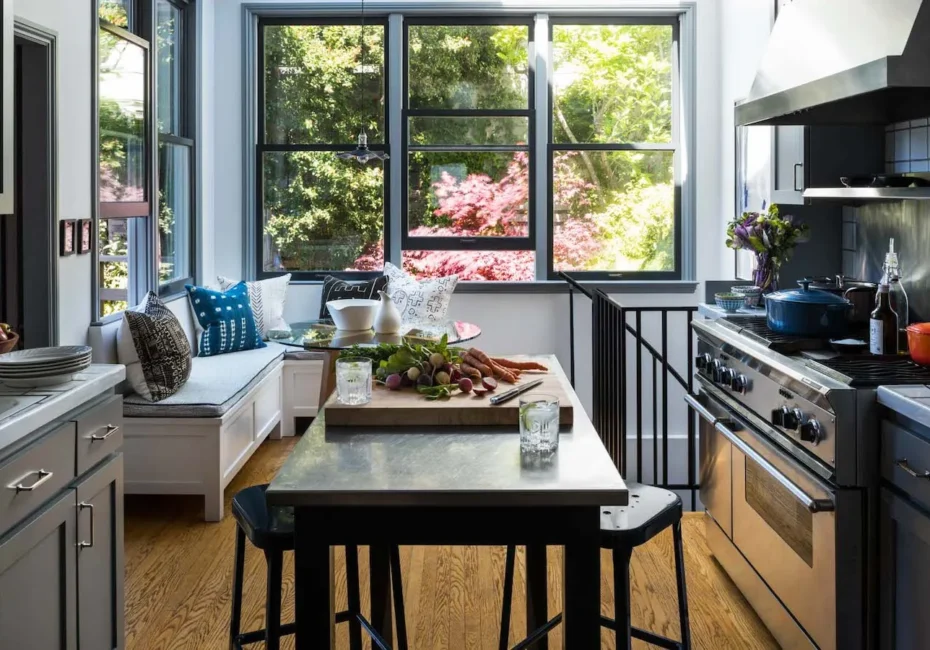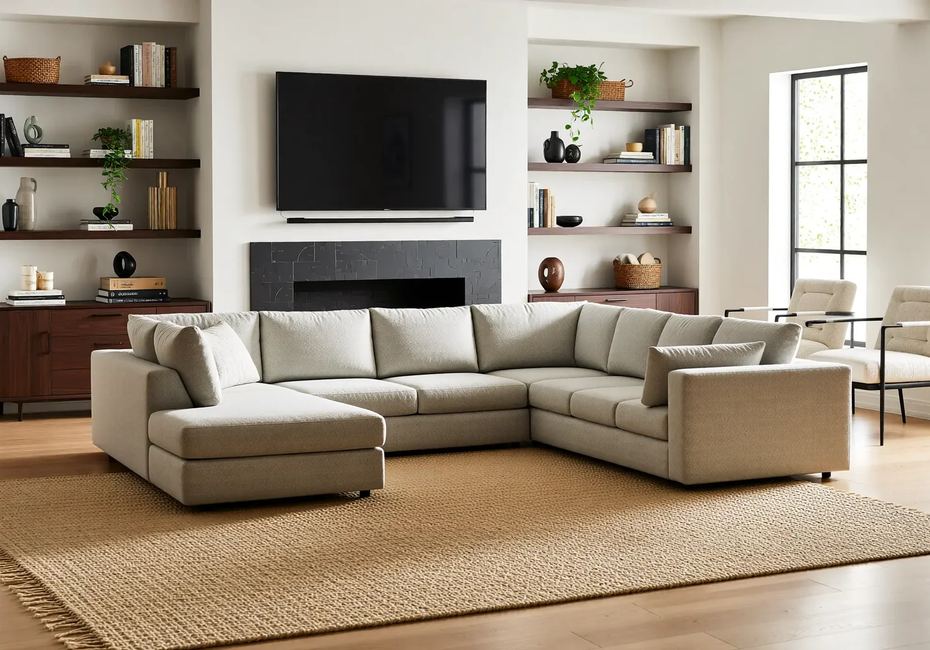
Living room lighting color temperature is the warmth or coolness of a bulb’s light, measured in kelvins. For a comfortable home setting, 2700K to 3000K is often a practical starting range, but bulb brightness, color rendering, and fixture placement matter just as much.
Here is how to coordinate lamps, overhead lights, and task lighting so the room feels welcoming at night and remains useful for everyday activities.
What Color Temperature Means
Living room lighting color temperature describes how warm or cool a light appears. It is measured in kelvins, usually shown as K on a bulb package. A lower number, such as 2700K, produces a warmer yellow-white glow. Higher numbers, such as 4000K or 5000K, appear cooler and can look stark in a relaxing room. Color temperature is not the same as brightness. A bright 2700K bulb can feel intense, while a dim 4000K bulb can still look cool. Treat warmth, brightness, and fixture placement as separate choices.
A Comfortable Starting Range
For most living rooms, warm-white bulbs around 2700K to 3000K make a useful starting point. That range generally flatters wood, fabrics, and evening conversation. It also feels more like familiar household lamplight than office lighting. A room used for reading, crafting, and homework may benefit from adjustable task lighting rather than turning every fixture cool. The right choice depends on wall colors, daylight, shade materials, and personal preference. Buy one or two bulbs to test before replacing every light in the room.
Why Mixed Bulbs Can Look Awkward
Imagine a warm floor lamp beside the sofa, a cool ceiling fixture above it, and a slightly greenish LED strip behind the television. Each light may be acceptable alone, yet the combination can make one side of the room feel inviting and the other feel clinical. When fixtures illuminate the same surfaces, obvious color differences become distracting. Matching the main bulbs within a narrow color-temperature range helps the room feel cohesive. Small variations are less noticeable when fixtures serve separate zones or are used at different times.
Start with How the Room Is Used
List the activities that happen in the room after sunset. Watching television calls for comfortable background light without glare on the screen. Reading needs light aimed at a book or chair. Conversation benefits from several gentle sources instead of one harsh overhead beam. A living room that doubles as a home office may need a focused desk lamp with its own control. These uses do not require the entire room to share one brightness setting. The goal is flexible lighting with a consistent overall mood.
Layer Light Instead of Chasing Wattage
A balanced living room often combines ambient light, task light, and accent light. Ambient lighting helps people move through the room safely. Task lighting brightens a reading chair, puzzle table, or desk. Accent lighting draws attention to artwork, shelves, or architectural features. Adding layers lets you lower the ceiling lights without making the room unusable. Our living room floor lamp placement guide explains how to position one of those layers without blocking a walkway.
Kelvins and Lumens Are Different
Kelvins tell you the appearance of the light; lumens tell you how much visible light the bulb produces. Two bulbs can both be 2700K but have very different lumen ratings. If a warm bulb feels too dim, you may need more lumens or a better-placed fixture rather than a cooler bulb. Conversely, if the room feels glaring, reducing brightness or changing the shade may help more than switching from 3000K to 2700K. Check both numbers on the package before making a purchase.
Color Rendering Affects Furniture and Paint
Color rendering describes how accurately a light source shows the colors of objects compared with a reference. Many bulb packages display a color rendering index, or CRI. A bulb with poor color rendering can make skin tones, artwork, and fabrics look dull or odd even when its kelvin rating seems right. If your room contains colorful textiles or carefully chosen paint, look for reputable bulbs with strong color-rendering performance. Test them in the actual room because lampshades and wall finishes can shift the final appearance.
Test Bulbs at Night, Not Just in a Store
A bulb that looks pleasant under bright retail lighting may feel very different in a living room after dark. Test one bulb in the fixture where it will be used. Look at the sofa fabric, a painted wall, a wood surface, and a person’s face. Then switch on the other lights you normally use. If the new bulb clashes with existing lamps, decide whether to match the others or create a deliberately separate task zone. Give your eyes a few minutes to adjust before judging the result.
How Wall Colors Change the Result
Warm beige, cream, terracotta, and many wood tones often look comfortable under warm-white lighting. Cool gray and blue walls can shift noticeably depending on the bulb and available daylight. A 2700K bulb may make some whites look creamy, while a cooler bulb can emphasize blue or green undertones. There is no universal setting that flatters every paint. Move a portable lamp near the wall and compare samples in the evening. That inexpensive test is more reliable than choosing a bulb solely from an online photograph.
Choosing Lighting for a Television Wall
A television screen already emits light, so a bright lamp pointed at it can create reflections and eye strain. Position lamps to the side or behind seating when possible, and keep the background comfortably lit. Some people prefer subtle bias lighting behind the television, but it should not overwhelm the screen or turn the wall into a distracting color display. Choose a setting that works with the rest of the room. If you have reflective windows or glossy furniture, fix the glare path before adding more bulbs.
Dimmers and Smart Bulbs
Dimmers let one fixture serve different activities, but the dimmer and bulb must be compatible. An incompatible combination can flicker, buzz, or fail to dim smoothly. Some LEDs change their color temperature as they dim, mimicking the warmer appearance of traditional incandescent lamps. Adjustable white smart bulbs offer more flexibility, but their controls may be frustrating for guests or family members who expect a normal switch. Choose the simplest system that people in the home will actually use. Check the fixture and dimmer instructions before installation.
Do Not Forget the Lampshade
A white fabric shade, dark opaque shade, clear glass globe, and exposed filament bulb can make the same lamp behave differently. A light-colored shade diffuses light and softens glare. A dark shade may direct more light upward and downward while keeping the room’s middle level dimmer. Clear glass can expose a bright point source that is uncomfortable at eye level. Before changing kelvin ratings, try moving the lamp, adjusting its shade, or selecting a frosted bulb. Often the fixture is shaping the experience more than expected.
How to Buy a Coordinated Set
Start with the fixtures that illuminate the largest shared area. Pick a warm-white color temperature that looks good with your walls and upholstery, then match nearby lamps as closely as practical. Check the lumens needed for each task rather than buying identical brightness everywhere. If a bulb is enclosed in a shade or globe, verify that it is rated for enclosed fixtures. Keep the packaging or photograph the specifications so replacements match later. If the room is used for both work and relaxation, make the task lights separately controllable.
What Lighting Guidance Can Help
The ENERGY STAR lighting guidance explains how to compare bulb brightness, color appearance, and efficiency. The U.S. Department of Energy’s lighting guide covers efficient lighting choices and the tradeoffs among technologies. Use those references for product basics, then make the final decision by testing the room after dark. Published ratings cannot tell you exactly how a particular lampshade or paint color will look.
A Realistic Evening Setup
Consider a small living room with one ceiling fixture, a floor lamp by the sofa, and a table lamp near the window. Begin with 2700K bulbs in the two lamps and keep the ceiling light on a dimmer if the hardware allows it. Add a brighter reading bulb only where a book needs extra light. Watch how the arrangement feels when the television is on and when guests sit across from each other. If the ceiling fixture still dominates, lower its output rather than making every other bulb brighter. A few well-placed sources usually feel more deliberate than one very powerful light.
The Takeaway
Living room lighting works best when color temperature supports the room’s mood without fighting its practical uses. Begin around 2700K to 3000K, compare lumens separately, and coordinate the bulbs that illuminate shared surfaces. Test colors after sunset and pay attention to shades, glare, and controls. A comfortable room does not need every lamp to be identical, but it does benefit from a plan that lets reading, relaxing, and conversation happen without constant bulb swapping.

Nike Carkarel
Nike Carkarel writes about home decor, interior design, and practical ways to make living spaces more beautiful and comfortable. At Turquoise Moon Homes, Nike shares ideas for decorating rooms, choosing furniture, improving home layouts, and making everyday spaces work better. With an interest in thoughtful design and simple home improvements, Nike helps readers find inspiration for homes that feel welcoming, stylish, and easy to live in.